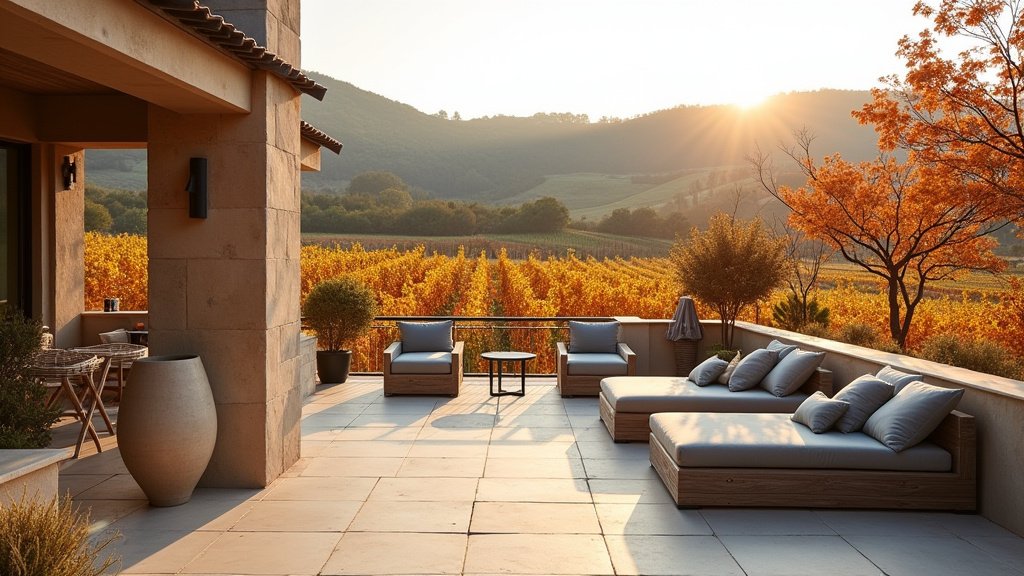
As the global tourism industry resets for the final quarter of 2026, a clear and decisive shift is taking shape. According to the latest travel outlook from ELLE, the era of performative, peak-summer travel is facing a major correction. For the discerning traveler, Fall 2026 is no longer about checking off crowded landmarks or curating a feed; it is about the quiet, deliberate indulgence of the ‘shoulder season.’
Key Highlights
- The Shoulder Season Shift: Travelers are increasingly avoiding the mid-summer rush, opting instead for September through November 2026 to secure more authentic and less-congested experiences.
- Non-Performative Travel: A major industry pivot towards ‘deep, non-performative’ travel, where the focus is on personal immersion rather than public display.
- The Healdsburg Spotlight: California wine country, specifically the Appellation Healdsburg region, has emerged as the premier destination for this new wave of slow, high-end tourism.
- Market Correction: Industry data suggests a cooling of demand for saturated European hotspots, favoring domestic luxury escapes that offer deeper regional connections.
The Great Tourism Pivot: Why Fall 2026 is Different
The travel landscape for late 2026 is undergoing a structural transformation. For years, the industry relied on the ‘summer peak’ model, which drove up costs and degraded the visitor experience through overcrowding. Now, a confluence of psychological and economic factors is pushing the affluent traveler toward the shoulder season. This shift is not merely a preference; it is a response to the fatigue surrounding ‘performative’ travel—trips designed primarily to be shared, rather than felt.
The Psychology of ‘Non-Performative’ Exploration
At the heart of the Fall 2026 trend is a rejection of the ‘Instagram-first’ mentality. Travel analysts are observing that high-net-worth individuals and experiential seekers are pivoting toward destinations that allow for genuine, quiet engagement. This means fewer high-traffic tourist traps and more demand for properties that facilitate privacy, silence, and local community immersion. The trend is moving away from the ticking of boxes and toward the cultivation of ‘deep experiences,’ where the quality of one’s interaction with the environment is paramount.
Case Study: Appellation Healdsburg
Nowhere is this shift more evident than in California’s wine country. Appellation Healdsburg is becoming the archetype for the new 2026 traveler. By positioning itself not just as a wine destination, but as a holistic, low-density luxury retreat, the region is successfully capturing the demand for this ‘shoulder season’ ethos. Travelers are finding that the cooler, crisp air of the Sonoma County autumn offers a vastly superior backdrop for wine tasting and culinary exploration compared to the frenetic energy of a mid-August trip. The focus here is on the terroir—the land, the craft, and the quiet pace of the harvest—rather than the spectacle.
Economic and Sustainability Impacts
The movement away from peak summer travel carries significant economic weight. By stretching the travel season into the late fall, destination managers can better balance local infrastructure, reduce environmental strain, and provide a more stable income for hospitality staff, who are often burned out by the intense, compressed summer seasons of previous years. This ‘smoothing’ of the tourism curve is essential for the longevity of the luxury hospitality sector. We are seeing a move toward sustainable growth where the goal is to elevate the per-visitor value, rather than simply increasing visitor volume.
Future Predictions: Beyond 2026
Looking ahead, the pivot to shoulder-season, non-performative travel is likely to be a permanent fixture in the industry. We expect to see more destinations attempting to ‘brand’ their off-peak seasons as the new peak for luxury. The destinations that succeed will be those that can prove they offer a depth of experience that cannot be replicated during the crowded, performative summer months. As we move into 2027 and beyond, the luxury traveler will continue to value privacy, authenticity, and the luxury of uncrowded space above all else.
FAQ: People Also Ask
Q: What is the defining characteristic of ‘non-performative’ travel?
A: Non-performative travel refers to experiences where the priority is internal growth, rest, or genuine local engagement, rather than external validation (such as social media sharing) or checking off bucket-list landmarks.
Q: Why is Appellation Healdsburg trending for Fall 2026?
A: It represents the perfect nexus of the ‘shoulder season’ trend, offering high-end luxury, culinary depth, and a climate that is arguably more enjoyable in the autumn, all while providing the privacy and lack of crowds that the modern luxury traveler now demands.
Q: How does the shift to shoulder season affect travel costs?
A: While shoulder season travel can sometimes offer better value, in top-tier luxury destinations like Healdsburg, it is becoming a premium product in its own right. Travelers are paying not for the off-peak discount, but for the exclusive, high-quality experience of visiting during a more relaxed, authentic time of year.
Q: Are other regions seeing a similar shift?
A: Yes, the trend is global, with many traditional summer hotspots in Europe and North America attempting to highlight their fall and spring offerings to alleviate the negative impacts of overcrowding.