Tourism patterns along the Pacific seaboard are undergoing a significant recalibration. While the post-pandemic ‘revenge travel’ boom kept many popular spots crowded through 2023, 2024 and early 2025 data from the U.S. Travel Association and regional tourism boards indicates a cooling trend. Specifically, 20 West Coast travel destinations are witnessing a measurable decline in visitor traffic. This shift is not merely a decrease in total traveler numbers; it represents a fundamental change in where, when, and how Americans choose to spend their leisure budgets. From the rugged coastlines of Oregon to the iconic urban centers of California, travelers are increasingly opting for value-driven destinations, skipping locations plagued by high costs, complex parking infrastructure, and negative perceptions stemming from wildfire seasons.
The Economic Friction of Modern Travel
The primary driver behind this decline is economic friction. According to reports from the Bureau of Economic Analysis (BEA), the cost of hospitality, dining, and fuel has outpaced general inflation in several high-traffic West Coast corridors. When travelers evaluate the ‘value proposition’ of a destination, they are now factoring in not just the hotel rate, but the ‘hidden costs’ of visitation—specifically parking fees and regional transit surcharges.
In major cities, particularly those with high tourism concentrations, the cost of daily parking in centralized tourist hubs can exceed $50 per day, effectively functioning as a ‘tourism tax’ that alienates the average road-trip traveler. This is impacting destinations like San Francisco’s Fisherman’s Wharf and certain high-end coastal enclaves in Southern California, where accessibility has become a point of contention for local tourism councils.
Perception vs. Reality: The Wildfire Impact
Perhaps the most complex factor affecting these 20 destinations is the psychological barrier created by wildfire news. While climate data from the National Interagency Fire Center (NIFC) often shows that fire risks are localized, the blanket media coverage of wildfire seasons creates a ‘halo effect’ of danger that suppresses tourism across entire states.
Los Angeles, in particular, has struggled with a skewed perception of safety following significant fire events in the surrounding mountainous regions. Even when tourism infrastructure in the urban core remains fully operational and safe, prospective visitors often preemptively cancel or redirect plans to states with less prominent fire-risk profiles. This perception gap is a major concern for the Visit California organization, which has been working to clarify that regional fire events do not equate to widespread destination closures.
Analyzing the Decline: Trends in Visitor Behavior
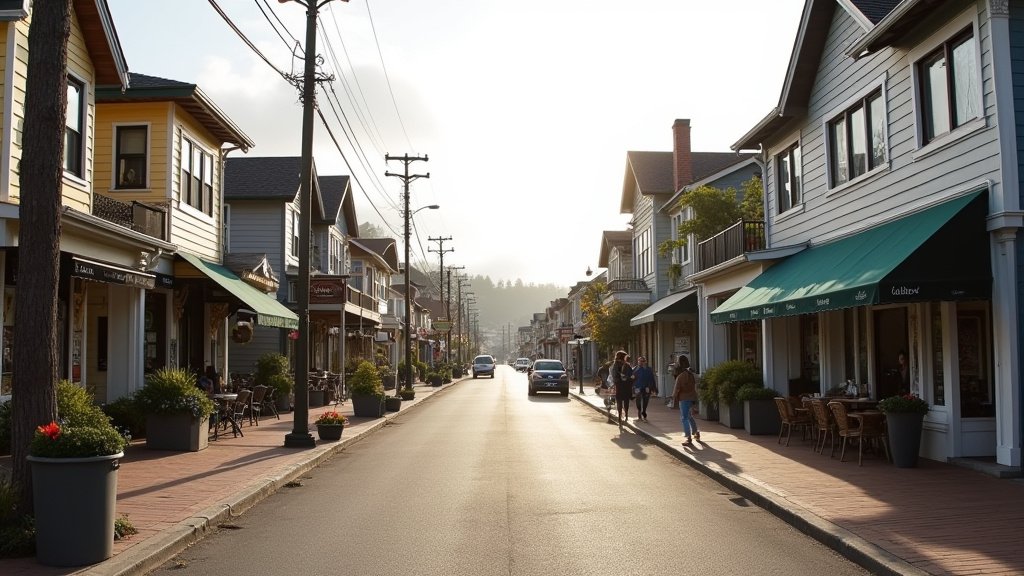
When we dissect the list of 20 destinations currently seeing reduced interest, a clear pattern emerges: the decline is concentrated in ‘legacy’ tourist hubs that haven’t updated their infrastructure to meet modern expectations. Travelers are showing a preference for ‘second-tier’ cities—smaller locations that offer the West Coast experience without the urban sprawl, traffic, or high-cost parking mandates of the major metros.
The Economic Ripple Effect
What happens when visitors stop coming? The local economic impact is often immediate and harsh. Small businesses, particularly those in the hospitality and boutique retail sectors, rely heavily on the seasonal influx of capital.
1. Small Business Vulnerability: Many independent restaurants and shops are seeing profit margins erode as visitor numbers drop, forcing many to reduce operating hours or permanently close.
2. Infrastructure Deficits: A decline in tourist revenue often leads to a reduction in local municipal budgets for tourism-related infrastructure, such as beach maintenance, trail upkeep, and public restrooms, creating a ‘doom loop’ where the destination becomes less attractive over time.
3. Labor Market Shifts: Service industry workers, who typically rely on seasonal tourism income, are migrating away from these 20 identified destinations, leading to labor shortages that further degrade the visitor experience for those who do decide to visit.
Future Outlook: Can These Destinations Recover?
Recovery for these 20 regions is not inevitable. It requires a pivot from traditional, mass-market appeal to hyper-targeted marketing. Organizations like Travel Oregon and the Washington Tourism Alliance are beginning to focus on ‘slow tourism’ initiatives, encouraging travelers to stay longer in fewer places, thereby mitigating the impact of high travel costs and reducing the stress on parking and transit systems. However, until the cost of entry is addressed and the narrative around safety is managed through more granular, hyper-local reporting, these destinations may continue to see a cooling of interest.
FAQ: People Also Ask
Why are people avoiding these 20 West Coast destinations?
Travelers are primarily avoiding these spots due to a combination of high inflation-adjusted costs, exorbitant parking and service fees, and lingering public concerns regarding wildfire safety, even in areas that remain unaffected by active fires.
Is it safe to travel to Southern California during wildfire season?
Yes, in most cases. Modern firefighting infrastructure and accurate data from organizations like the NIFC allow for targeted warnings. However, the perception of danger often keeps tourists away from unaffected areas, negatively impacting the local economy.
Are parking fees really causing a decline in tourism?
Data suggests that ‘hidden’ costs like parking fees are a major pain point for road-trip travelers. When parking can add $30-$50 per day to a trip’s cost, many travelers are choosing to visit more accessible, lower-cost destinations instead.
What are the 20 destinations experiencing this trend?
While the full list varies by seasonal data, the trend is predominantly centered on high-cost coastal hubs in California, specific urban centers in Oregon, and certain high-traffic, limited-access regions in Washington state that are struggling with rising costs and infrastructure capacity issues.