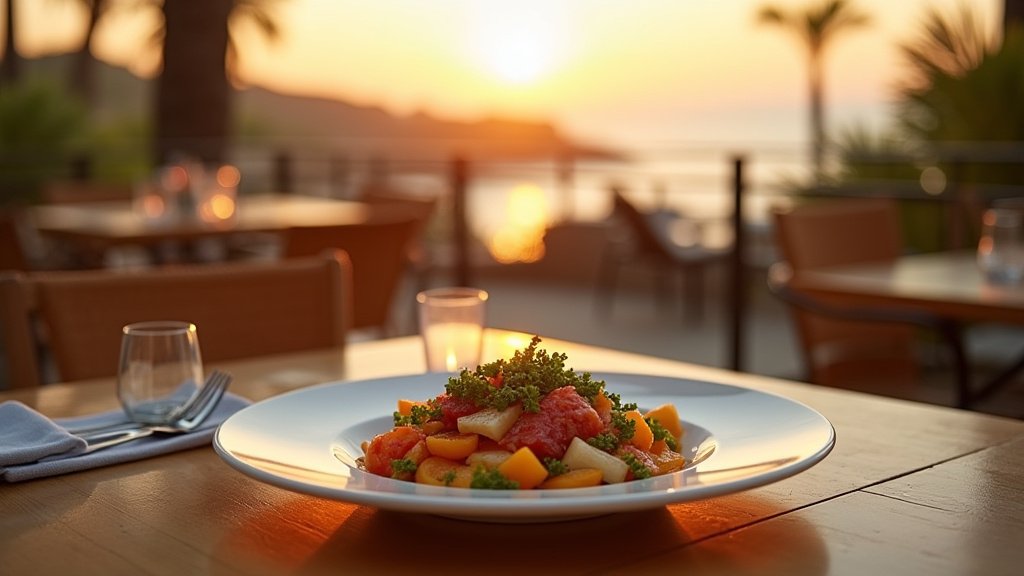
As the Southern California sun begins its gentle descent toward the autumnal equinox, the regional cultural calendar undergoes a distinct transition. According to the latest ‘New, Now, Next’ report from Ranch & Coast Magazine, the upcoming fall season is set to be defined by a robust return of community-driven events that blend culinary excellence with the iconic coastal lifestyle. The upcoming months, particularly September, serve as a critical bridge between peak summer tourism and the more measured, community-focused pace of autumn, with events like San Diego Restaurant Week and the Belmont Park Fall Fest anchoring the regional social experience.
Key Highlights
- San Diego Restaurant Week Returns: The region’s premier culinary showcase runs from September 13 to September 20, 2026, featuring prix-fixe menus at participating establishments across the county.
- Belmont Park Fall Fest: The iconic Mission Beach venue launches its seasonal programming on September 10, emphasizing a shift toward family-oriented autumn entertainment.
- Strategic Timing: By positioning these events in mid-September, organizers are effectively extending the tourism season, capitalizing on the ‘shoulder season’ climate that remains warm while crowds thin.
- Economic Resilience: These recurring events serve as essential drivers for the local hospitality and service economy, providing a post-summer boost for businesses reliant on foot traffic.
The Pulse of the Southern California Culinary Autumn
The Southern California culinary landscape in 2026 is reflecting a distinct trend toward ‘approachable luxury.’ As analyzed in the latest editorial from Ranch & Coast Magazine, the regional appetite is shifting away from the fleeting pop-up culture of mid-summer and toward curated, long-term dining experiences that celebrate local sourcing and professional technique. The upcoming September calendar is not merely a collection of dates; it is a manifestation of the region’s commitment to sustaining a high-caliber food culture that is accessible to both local residents and regional visitors.
Deep Dive: San Diego Restaurant Week (Sept 13–20, 2026)
San Diego Restaurant Week remains the cornerstone of the region’s culinary calendar. Managed by the California Restaurant Association, this event is designed to democratize fine dining. By offering prix-fixe lunch and dinner menus at various price points, the event encourages diners to step outside their comfort zones and explore new neighborhoods and cuisines.
For 2026, industry experts are noting a significant shift in the event’s strategy: there is a heightened emphasis on sustainability. Participating restaurants are expected to highlight locally sourced, seasonal ingredients—a direct nod to the ‘farm-to-table’ movement that has matured from a trend into an expectation in the Southern California market. From the bustling kitchens of the Gaslamp Quarter to the intimate bistros of La Jolla, the event acts as a high-velocity marketing machine for local restaurateurs, often providing a critical revenue influx during what is traditionally a slower operational period.
The Coastal Shift: Belmont Park Fall Fest
While Restaurant Week focuses on the epicurean, the Belmont Park Fall Fest, commencing September 10, addresses the experiential side of the coastal social calendar. Situated on the boardwalk in Mission Beach, Belmont Park is a historic landmark. The 2026 Fall Fest programming aims to bridge the gap between summer beach culture and autumn festivities.
Historically, Southern California parks have struggled with the ‘post-Labor Day’ slump, but the decision to launch the Fall Fest early in September is a calculated operational pivot. By integrating thematic elements—harvest festivals, seasonal culinary offerings, and modified entertainment schedules—the venue effectively creates a ‘third space’ for the community. This aligns with modern urban planning trends where coastal destinations are tasked with evolving from seasonal tourist traps into year-round community hubs.
The ‘New, Now, Next’ Economic Imperative
Why does the timing of these events matter? The ‘New, Now, Next’ editorial framework provided by Ranch & Coast Magazine highlights a crucial economic truth: seasonal resilience. The Southern California economy is heavily weighted toward tourism. By staging these events in mid-September, organizers are creating a ‘sticky’ environment—encouraging visitors who might otherwise depart after Labor Day to extend their stay.
Moreover, these events provide a feedback loop for the hospitality industry. Restaurant owners use the data gathered during Restaurant Week to gauge consumer sentiment regarding pricing and menu composition, allowing them to refine their operations for the winter months. It is an exercise in data-driven hospitality.
Future Predictions: The Evolution of SoCal Events
Looking toward the end of 2026 and into 2027, we can anticipate a further integration of technology into these festivals. We are likely to see the implementation of more robust reservation platforms that integrate with social media analytics, allowing restaurants to offer ‘dynamic pricing’ based on real-time demand during Restaurant Week. Furthermore, the success of the Belmont Park Fall Fest serves as a litmus test for potential expansion; if this format proves effective, we may see the proliferation of similar ‘mini-festivals’ along the coast, transforming the entire San Diego boardwalk ecosystem into a curated, multi-stop destination throughout the autumn months. The synergy between high-end dining and accessible family fun is the new blueprint for coastal economic development, ensuring that the vibrancy of the California summer is not lost, but merely adapted for the cooler, sharper days of autumn.
FAQ: People Also Ask
Q: What is the primary benefit of San Diego Restaurant Week for a casual diner?
A: The primary benefit is value and variety. Restaurant Week allows diners to experience high-end, chef-driven establishments at discounted, prix-fixe price points, making fine dining accessible to a broader demographic.
Q: Is the Belmont Park Fall Fest suitable for all age groups?
A: Yes, the Fall Fest is designed with a broad appeal. While it includes seasonal culinary offerings and entertainment that attract adults, the venue maintains its family-friendly identity with classic attractions and boardwalk activities suited for all ages.
Q: How do these events impact the local economy in Southern California?
A: These events are vital for ‘shoulder season’ revenue. They generate foot traffic, support hospitality jobs, and encourage tourism during the transition from peak summer months to the autumn season, helping to stabilize revenue for local businesses.
Q: Are reservations required for San Diego Restaurant Week?
A: While walk-ins are sometimes accommodated depending on the establishment, reservations are strongly encouraged, especially for popular restaurants, as the event sees a massive spike in demand during the designated week.