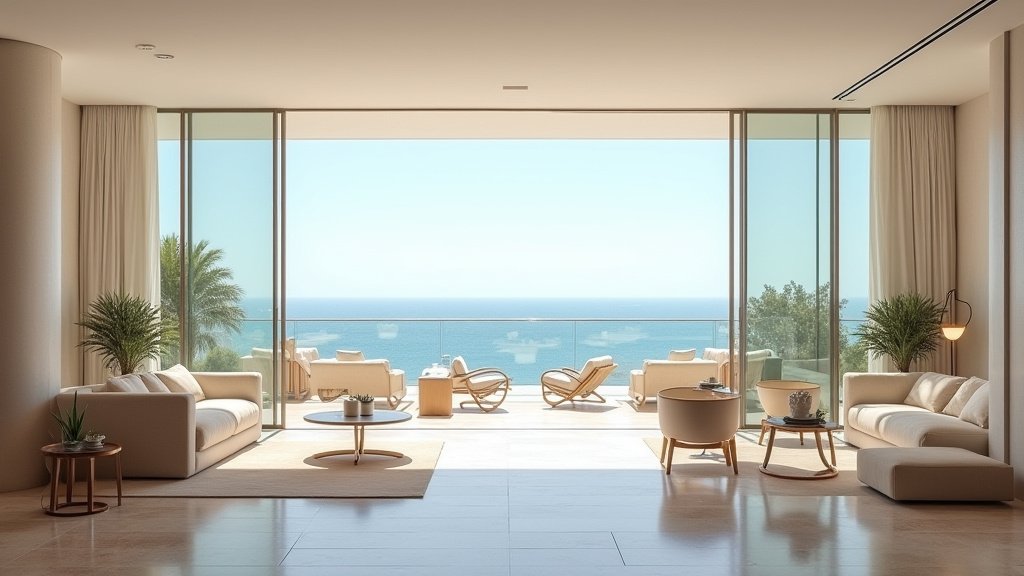
The Regent Santa Monica Beach has officially opened its doors, marking the highly anticipated return of the iconic IHG luxury brand to the Americas and transforming the Southern California coastline into a new epicenter of ultra-high-end hospitality. Located at the prestigious 1710 Ocean Avenue, the property represents a massive strategic pivot for the local tourism economy, moving the area from traditional beachside resort culture into the realm of hyper-bespoke, experiential luxury.
Key Highlights
- 167 Bespoke Guestrooms: The property features 167 rooms and suites, all designed with a refined coastal aesthetic that emphasizes natural light and expansive views of the Pacific Ocean.
- Culinary Destination: Orla, the signature restaurant spearheaded by Michelin-starred Chef Michael Mina, introduces a Mediterranean-inspired culinary experience to the Santa Monica boardwalk.
- Wellness Sanctuary: A flagship Guerlain Spa is integrated into the property, offering exclusive treatments that blend French high-end skincare with Southern California holistic wellness techniques.
- Design Pedigree: The interior architecture was conceptualized by the renowned firm AvroKO, focusing on biophilic design elements that blur the line between the indoor luxury and the outdoor coastal environment.
A New Standard for Pacific Coast Opulence
The opening of the Regent Santa Monica Beach is not merely the debut of a hotel; it is the strategic cornerstone of IHG Hotels & Resorts’ luxury expansion plan in North America. By taking over the site of the former Loews Santa Monica Beach Hotel, the developers have essentially performed a total architectural and operational gut-renovation. The transformation of this prime piece of real estate signals a maturation of the Santa Monica tourism market, catering to a sophisticated demographic that demands more than just beach proximity—they demand a curated narrative of luxury.
The Architectural Evolution of 1710 Ocean Avenue
The site, long a staple of the Santa Monica hospitality scene, has been reimagined by AvroKO. The firm is well-known for its narrative-driven design, and at this location, they have prioritized the concept of ‘the ocean as a destination.’ Guests enter through a light-filled lobby that serves as a living room for the coast, utilizing soft, organic textures and a muted color palette that allows the visual dominance of the Pacific Ocean to take center stage. Every structural element, from the flow of the hallways to the placement of the private balconies, has been engineered to maximize the coastal view while maintaining absolute privacy for the guest.
Culinary Excellence: Chef Michael Mina’s Orla
One of the primary drivers of traffic for this property is Orla. Chef Michael Mina is not simply providing catering; he is establishing a culinary destination. Orla brings a unique Mediterranean-coastal fusion to Santa Monica. The restaurant operates as a high-concept environment that draws in both hotel guests and local gourmands. This is part of a broader industry trend where top-tier hotels are becoming ‘lifestyle anchors’ rather than just places to sleep. The inclusion of chef-led market tours—where guests can accompany the culinary team to local farmers’ markets before enjoying a curated meal—represents a move toward ‘experiential hospitality’ that the modern affluent traveler craves.
Wellness Reimagined: The Guerlain Spa Experience
In the luxury sector, wellness is the new currency. The inclusion of a Guerlain Spa at this property is a significant signal of intent. Guerlain, a brand synonymous with French prestige, brings high-science skincare and heritage luxury to the property. This partnership is a differentiator in a market saturated with generic ‘hotel spas.’ By positioning wellness as a core component of the stay, the Regent Santa Monica is capturing a demographic that views personal health and aesthetic maintenance as a non-negotiable part of their travel lifestyle.
Economic Impact and Coastal Tourism Dynamics
From a macroeconomic perspective, the launch of the Regent Santa Monica Beach acts as a catalyst for luxury spending in the Santa Monica/West Los Angeles area. By attracting a higher-spending traveler, the property boosts local tax revenues and forces a competitive upskilling of nearby hospitality venues. As travelers increasingly prioritize ‘purposeful travel’—experiences that offer deep learning or unique access—the Regent’s programming (tours, spa, and culinary events) positions the hotel to capture this market shift. We anticipate this will trigger a ripple effect, encouraging other local luxury properties to pivot toward similar experiential, high-touch models to remain competitive in the coming fiscal years.
FAQ: People Also Ask
What is the significance of the Regent brand return to the Americas?
Regent Hotels & Resorts was acquired by IHG Hotels & Resorts to anchor their luxury portfolio. The Santa Monica opening is a flagship event, signaling that IHG is aggressively competing with brands like Four Seasons and Ritz-Carlton for the top-tier American luxury traveler.
Is the hotel open to the public for dining and spa visits?
Yes, the property is designed to be a hub for the community. Orla (the restaurant) and the Guerlain Spa are open to non-hotel guests, though reservations are highly recommended due to high demand.
What makes the hotel’s design approach unique?
Conceptualized by AvroKO, the design moves away from the traditional, rigid luxury of the 20th century in favor of ‘biophilic design’—an approach that integrates natural light, ocean vistas, and organic materials to create a seamless flow between the interior spaces and the outdoor coastal atmosphere.