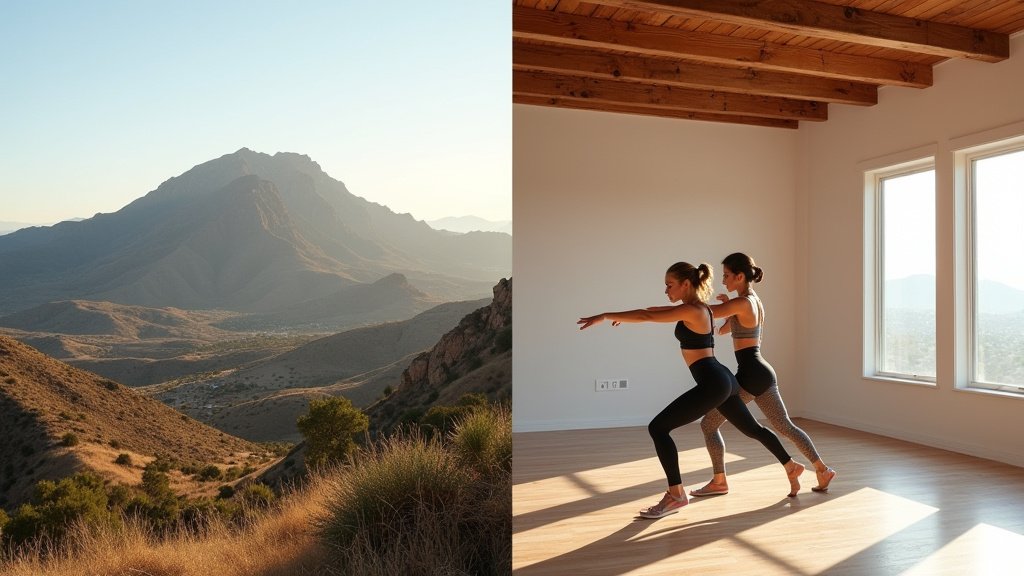
San Diego enters 2026 with a distinct dual-track identity: a profound commitment to cultural reclamation and a thriving, innovative health-fitness culture. The city’s landscape, both physical and metaphorical, is shifting as Cuyamaca Rancho State Park marks a monumental cultural victory, while a unique fusion of strength and mindfulness known as ‘Yoga Box’ takes the wellness industry by storm. As residents and visitors alike look to the year ahead, these developments serve as a barometer for how a major metropolis can balance the weight of historical stewardship with the momentum of modern lifestyle trends.
Key Highlights
- Official Restoration of Cush-pii: The highest peak in Cuyamaca Rancho State Park has been formally renamed ‘Cush-pii,’ honoring the Kumeyaay Nation’s ancestral connection to the land.
- The ‘Yoga Box’ Explosion: The fitness trend blending high-intensity boxing cardio with Vinyasa flow has seen a 40% increase in studio adoption across San Diego County over the last 12 months.
- Cultural Stewardship: This dual focus reflects a growing consumer demand for ‘conscious wellness,’ where physical health is paired with an awareness of local geography and history.
The New Landscape of San Diego: Heritage and Health
The narrative of San Diego in 2026 is no longer solely defined by its beaches or its defense industry; it is increasingly defined by its relationship to the earth and the human body. The official restoration of the name ‘Cush-pii’ to the peak formerly known as Cuyamaca Peak is not merely a bureaucratic change—it is a significant cultural milestone that has altered the way residents interact with the 26,000-acre Cuyamaca Rancho State Park. Simultaneously, the proliferation of the ‘Yoga Box’ method provides a case study in how niche fitness trends can scale rapidly, driven by a post-pandemic consumer base that values efficiency, stress relief, and holistic movement.
The Restoration of Cush-pii: A Sovereign Victory
For years, the Kumeyaay Nation, the indigenous people of this region, advocated for the recognition of their language and history within the state park system. The restoration of ‘Cush-pii’—which translates to ‘rain above’—signifies a shift in state policy toward active collaboration with tribal leaders. The peak, rising to 6,512 feet, serves as a focal point for this change.
This isn’t just about signage; it’s about a fundamental reassessment of how public lands are managed. Since the official designation in early 2026, the park has seen a surge in educational tourism, with visitors flocking to the peak not just for the vistas, but to engage with interpretative exhibits detailing the Kumeyaay connection to the terrain. Experts argue that this is part of a wider California trend: the ‘decolonization of geography,’ where state parks are becoming classrooms for history rather than just recreational zones.
The Anatomy of the ‘Yoga Box’ Trend
While the mountains offer a place for reflection, the urban centers of San Diego have embraced a different kind of intensity. ‘Yoga Box,’ a hybrid workout, has officially moved from a niche offering to a dominant force in local gyms.
By layering the repetitive, explosive mechanics of boxing with the controlled, rhythmic breathing and stretching of Vinyasa yoga, the method addresses two major needs of the modern San Diegan: the need to release pent-up stress (the ‘Box’ element) and the need for injury prevention and mindfulness (the ‘Yoga’ element). Market data from San Diego-based wellness studios indicates that classes are operating at 92% capacity, with a demographic split that leans heavily toward young professionals aged 25–45. The appeal is structural: the high-intensity interval training (HIIT) aspect provides the calorie-burning results modern consumers crave, while the cooling-down phase provides the ‘mental health break’ that has become the gold standard in 2026 wellness programming.
Bridging the Gap: The Holistic Future
What links the restoration of ‘Cush-pii’ and the rise of ‘Yoga Box’ is a singular, driving philosophy: a desire for authenticity. Whether that authenticity comes from connecting with the ancient names of a mountain or the visceral, raw experience of a workout, San Diegans are rejecting generic experiences.
This trend represents a maturation of the wellness economy. In the early 2020s, wellness was often commodified and sterile. In 2026, it is messy, historical, and deeply grounded. The local government’s support for the Cush-pii restoration effectively validates the idea that physical health is inextricably linked to the environment. When the mountain is healthy and respected, the community feels more grounded. When the community is physically active, they are better prepared to engage with their surroundings.
Economic and Social Impact
From an economic perspective, the synergy between nature and fitness is driving significant growth in the local service sector. The Cuyamaca Rancho State Park area, once a relatively quiet corner of San Diego County, is reporting a 15% uptick in visitor spending specifically in the ‘eco-tourism’ sector. Meanwhile, the Yoga Box studios are fueling the local gym economy, with entrepreneurs reporting higher membership retention rates compared to traditional Pilates or standard boxing gyms. This dual economic engine suggests that San Diego’s future growth lies in its ability to market its identity—not just as a beach town, but as a hub for intentional, meaningful living.
FAQ: People Also Ask
Q: What does the name ‘Cush-pii’ actually mean?
A: In the Kumeyaay language, ‘Cush-pii’ translates roughly to ‘rain above,’ referencing the unique meteorological patterns that often form over the high peaks of the Cuyamaca mountains.
Q: Is ‘Yoga Box’ suitable for beginners?
A: Yes, most San Diego-based studios offer tiered classes. The beauty of the method is that the boxing component can be scaled for cardio intensity, while the yoga component can be scaled for flexibility, making it accessible to a wide range of fitness levels.
Q: How has the name restoration affected access to the peak?
A: There have been no restrictions placed on public access. In fact, the state has improved trail maintenance around the peak to accommodate the increased interest in visiting the site under its new, historically accurate name.
Q: Are there other places in San Diego undergoing similar name changes?
A: While ‘Cush-pii’ is the most prominent 2026 change, the California State Parks department is currently reviewing several petitions to restore indigenous place names across Southern California, signaling a long-term trend.
Q: What is the primary difference between Yoga Box and kickboxing?
A: Traditional kickboxing is almost entirely focused on combat mechanics and cardiovascular output. Yoga Box integrates these movements but requires participants to hold static poses, focus on breath control, and perform functional stretches, effectively serving as both a workout and a recovery session.