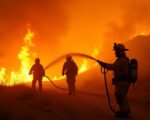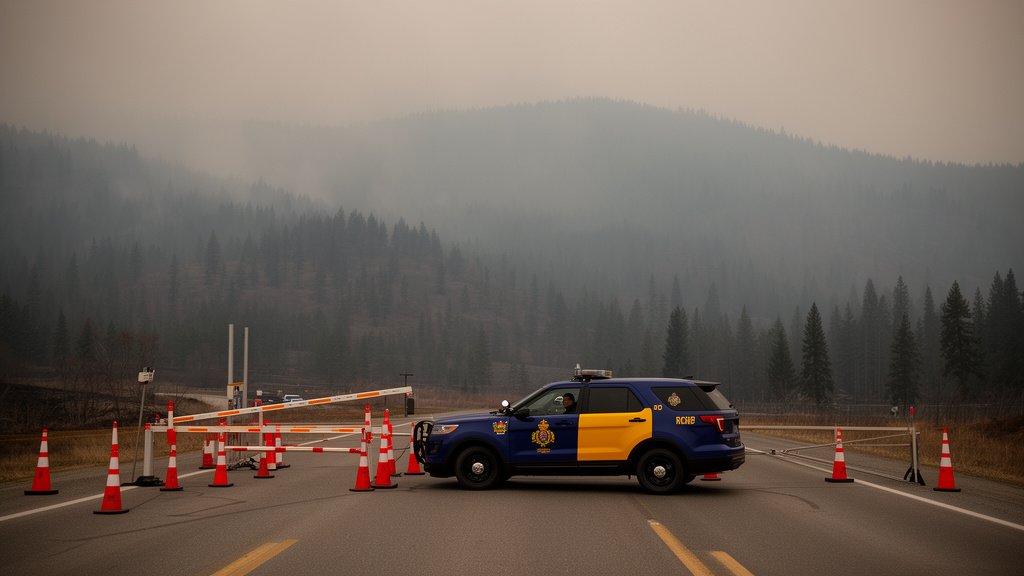
Tensions escalated in the Summerland, B.C., region this week after an individual was taken into custody by the Royal Canadian Mounted Police (RCMP) for unlawfully entering a restricted evacuation area. The incident occurred as regional authorities continue a massive, multi-agency effort to combat wildfire threats in the Okanagan-Similkameen region. Officials are reiterating that these exclusion zones are not merely suggestions; they are critical safety perimeters designed to protect both the public and the first responders actively fighting the blaze.
The Gravity of Restricted Zones
When officials declare an area under an evacuation order, the closure is absolute. The Summerland evacuation area is currently being managed as an active tactical zone. This means that the landscape is often unstable, with potential for falling trees, downed power lines, and hidden “hot spots” that can reignite without warning.
Beyond the environmental hazards, the presence of unauthorized civilians complicates the work of the British Columbia Wildfire Service (BCWS) and local fire departments. When a private vehicle or individual is spotted within a restricted zone, emergency resources—which are already stretched thin—must be diverted to identify the trespasser and ensure their safety. This creates a dangerous distraction during critical suppression operations, such as air tanker drops or heavy machinery movement, where a split-second change in the wind or fire behavior could trap unauthorized individuals.
RCMP Enforcement and Legal Implications
The RCMP’s decision to arrest the individual highlights the seriousness with which authorities are treating unauthorized access. Under the Emergency Program Act, local authorities have the legal mandate to restrict movement for the duration of an active threat.
Violating these orders is not a minor infraction; it can lead to criminal charges or significant fines, depending on the severity of the obstruction and the potential danger caused. The RCMP in Summerland has emphasized that they are working in conjunction with the Regional District of Okanagan-Similkameen (RDOS) to maintain a zero-tolerance policy for non-essential entry. This enforcement ensures that the area remains “sterile” for emergency personnel, allowing them to focus entirely on protecting infrastructure and preventing the fire from expanding toward residential neighborhoods.
Why Infrastructure Protection is Paramount
Public discourse often centers on individual homes, but emergency officials must manage the landscape at a macro level. Critical infrastructure protection is the primary goal of the current strategy. This includes safeguarding power substations, water treatment facilities, and critical communications towers that keep the region connected.
If these assets are compromised, the timeline for recovery increases exponentially. Every individual who bypasses a roadblock forces crews to pause operations to clear the route or deal with the liability of the intruder. By keeping the roads and restricted zones clear, the RDOS and its partners can maximize the efficacy of heavy equipment usage and rapid-response tactical teams.
The Permitting System: An Alternative to Trespassing
Recognizing the immense stress and anxiety residents feel when they are cut off from their homes and belongings, regional authorities have established a formal permitting system for access requests. This process is the only legal, safe way to enter an evacuation zone.
Residents who have an urgent, non-negotiable need to access their property—such as for the retrieval of life-saving medical equipment, urgent pet care, or time-sensitive critical assets—are directed to contact the Emergency Operations Centre (EOC). Applications for access are vetted, and if approved, individuals are often escorted or provided with strict guidelines for their entry and exit. This system is designed to provide residents with peace of mind while ensuring that they are not entering areas where they could become trapped or impede suppression efforts.
Managing Psychological Impacts and Future Cooperation
The arrest in Summerland serves as a stark reminder of the broader psychological toll these disasters take on communities. The urge to check on one’s property is a natural, human response. However, the chaos of a wildfire requires strict adherence to institutional protocols.
Looking forward, the RDOS and the RCMP are urging residents to exercise patience. The timeline for lifting an evacuation order is dictated solely by the safety of the site, not by bureaucratic preference. As crews work to secure the perimeter, the best contribution any resident can make is to remain outside the lines, monitor official channels for updates, and respect the barriers that keep both the community and the brave men and women on the front lines safe.
FAQ: People Also Ask
Why can’t I check on my house if the fire looks small?
Wildfire behavior is unpredictable. What may appear to be a “small” fire can change direction rapidly due to wind shifts, terrain, or fuel availability. Furthermore, emergency crews may be performing controlled burns or heavy machinery operations nearby that are invisible from a distance but are extremely dangerous to bystanders.
How do I apply for an access permit in an evacuation zone?
You must contact the Regional District of Okanagan-Similkameen (RDOS) Emergency Operations Centre. Do not attempt to bypass barricades or speak to officers on the perimeter directly, as they are not authorized to grant impromptu access. Follow the specific instructions provided on the official RDOS or municipal website.
What are the legal penalties for entering an evacuation zone?
Penalties can range from fines under the Emergency Program Act to potential criminal charges for obstruction of a peace officer or mischief, depending on the circumstances. It is never worth the risk to your life or your criminal record to bypass an official blockade.