The East Bay’s Culinary Evolution: August 2026 Trends
The Oakland dining scene is experiencing a concentrated wave of transformation this August, defined by a shift toward specialized cafe experiences and the expansion of the city’s Japanese culinary footprint. According to recent reporting, the landscape is being reshaped not just by new arrivals, but by the strategic relocation of established venues, signaling a broader movement toward optimized foot traffic and neighborhood-specific demand. As the East Bay continues to grapple with shifting consumer habits and the ongoing recovery of the hospitality sector, these openings and moves offer a microcosm of the city’s resilient culinary identity.
The Rise of Boutique Cafes
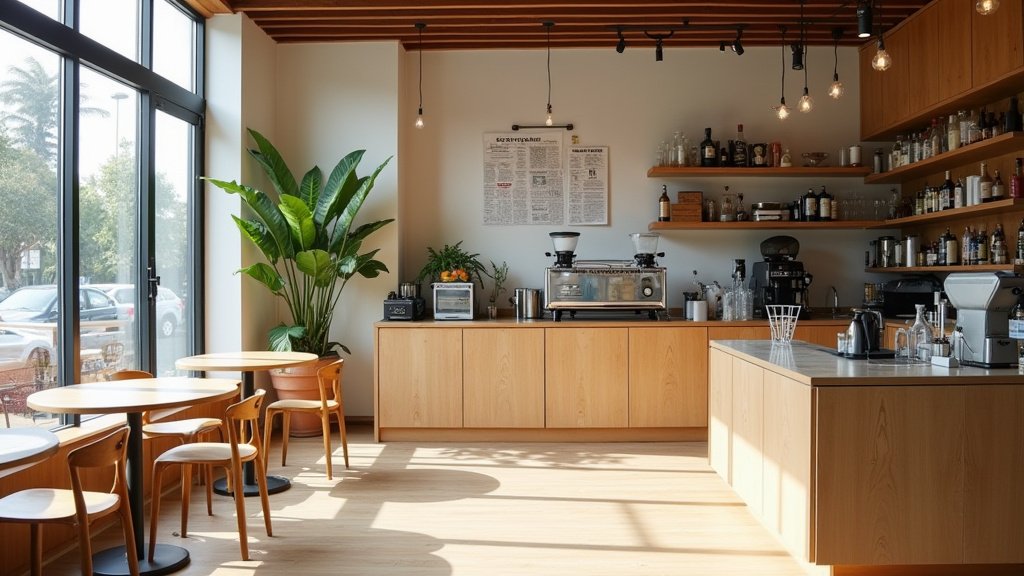
This month, Oakland’s coffee culture is seeing a sophisticated pivot. While the city has long been a bastion for the ‘third-wave’ coffee movement, the latest openings suggest a shift toward hyper-specialized cafe environments. These are not merely places to grab a quick espresso; they are designed as third spaces that bridge the gap between coworking hubs and social salons.
By emphasizing single-origin sourcing and artisanal brewing methods, these new cafe arrivals are catering to a demographic that values transparency in the supply chain and an immersive sensory experience. This trend toward ‘experiential drinking’ is a direct response to the post-2025 consumer desire for quality over convenience, reflecting a market that is willing to pay a premium for a narrative-driven product.
Japanese Cuisine Gains Momentum
The most notable development in the culinary portfolio this August is the arrival of a duo of Japanese-focused establishments. This expansion indicates a deepening appetite for distinct, high-quality Japanese dining in the East Bay, moving beyond standard sushi offerings toward more nuanced explorations of Japanese cuisine, such as izakaya-style small plates, specialized ramen, or omakase-focused experiences.
Industry analysts point to this expansion as a sign of maturity in the Oakland dining market. As neighborhoods become more residential-dense, the demand for high-quality, mid-to-high-range dining experiences has surged. By providing two distinct Japanese options, the local market is diversifying its offering, ensuring that residents do not need to commute to San Francisco to find authentic, technique-driven culinary craftsmanship.
Strategic Relocations: Why Restaurants Are Moving
Perhaps the most telling aspect of this month’s news is the occurrence of two prominent restaurant relocations. In the competitive landscape of the East Bay, location is not just about visibility—it is about operational efficiency and synergy with local demographics. These businesses are choosing to move to capitalize on newer, more vibrant foot-traffic corridors, or to transition into spaces that allow for larger kitchens and better service layouts.
For many operators, the decision to relocate is an economic safeguard. By exiting spaces that may have become logistically challenging or misaligned with current neighborhood demographics, these restaurants are optimizing their business models for long-term sustainability. This tactical movement suggests a healthy churn in the market, where established players are willing to innovate and adjust rather than remain stagnant.
The Broader Economic Outlook
The collective movement of new openings and relocations speaks to a broader economic trend in Oakland. Despite the complexities of the current economy, the hospitality sector remains a critical pillar of local employment and community identity. The influx of new capital and creative energy indicates a level of investor confidence in the Oakland food scene that continues to outperform expectations.
Furthermore, the focus on neighborhood-specific dining suggests that the city is evolving into a collection of distinct culinary districts. Instead of a centralized dining hub, Oakland is fostering unique pockets of flavor where residents can find world-class options within walking distance of their homes. This decentralized approach is likely to make the East Bay’s food scene more resilient against economic fluctuations in the coming years.
FAQ: People Also Ask
Which neighborhoods are seeing the most culinary growth in Oakland this August?
Most of the new activity, including the new cafe and Japanese restaurant openings, is concentrated in the emerging high-density corridors of Uptown and the Lake Merritt area, where demand for walkable, high-quality dining options is at an all-time high.
Why are established restaurants choosing to relocate instead of closing?
Relocation is often a tactical financial decision. Rather than closing, many restaurants are moving to spaces with better lease terms, optimized kitchen layouts for post-2025 labor efficiency, or closer proximity to higher foot-traffic areas, ensuring better long-term viability in a competitive market.
How does the ‘duo of Japanese options’ impact the local dining scene?
The introduction of two Japanese-focused establishments adds depth to the local market. It signals a move away from generic fusion concepts toward specialized dining, which helps retain local spending that might otherwise have gone to neighboring cities like San Francisco or Berkeley.
What should new cafes be focusing on to succeed in the 2026 market?
Success for new cafes in 2026 is driven by the ‘third space’ concept. Owners are finding success by combining premium, artisanal product quality with spaces designed for flexible use—catering to both social gatherings and the remote-working demographic that characterizes much of Oakland’s current professional population.