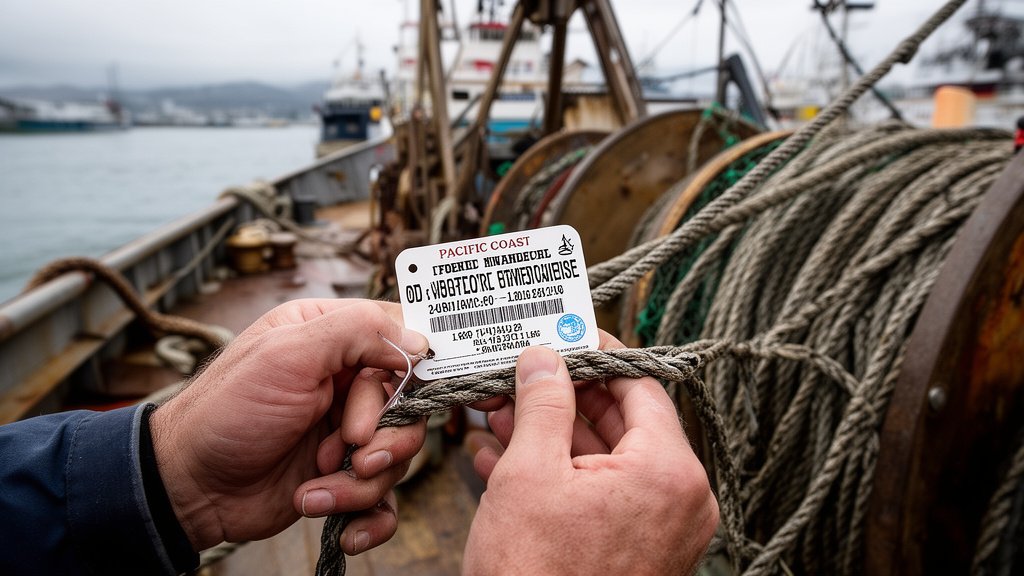
The National Oceanic and Atmospheric Administration (NOAA) Fisheries has officially finalized a landmark gear marking rule, setting a new regulatory standard for the Pacific Coast groundfish fishery. This mandate, which directly impacts 335 vessels, is designed to enhance the identification of fixed-gear components found on protected marine species, providing a crucial data stream for future conservation efforts. As the industry grapples with the operational costs of implementation, the 2030 deadline looms as the final date for full compliance, marking a decade-defining shift for West Coast maritime operations.
Understanding the Mandate and Conservation Drivers
The implementation of this rule follows years of negotiation between NOAA Fisheries and the Pacific Fishery Management Council (PFMC). At the heart of this regulatory change is the ongoing challenge of entanglement, specifically involving threatened and endangered species such as humpback whales, leatherback sea turtles, and other large marine mammals. Historically, when fishing gear is retrieved from a whale or turtle, identifying its origin has been a near-impossible task, making it difficult for regulators to determine which specific areas or gear configurations are the primary drivers of interaction.
By mandating specific marking protocols, NOAA aims to transform how environmental impacts are tracked. The new requirements force vessel operators to incorporate unique, identifiable markers on all buoy lines and individual traps. This “trail of breadcrumbs” approach provides fisheries managers with the forensic tools necessary to implement targeted conservation measures, potentially avoiding broader, more punitive fishery-wide closures in the future.
The Operational Reality for 335 Vessels
The 335 vessels identified in this ruling represent the fixed-gear sector of the Pacific Coast groundfish fishery. These are not merely administrative changes; they represent a significant labor and logistical adjustment for deckhands and captains. The regulations require that gear be marked at specific intervals, ensuring that even if gear is lost or drifted, authorities can trace it back to the originating vessel.
Compliance involves more than just attaching a tag. It requires durability in high-salinity, high-energy Pacific environments. The gear must withstand extreme weather, depth, and constant friction against the ocean floor. Vessel owners are now tasked with sourcing compliant marking systems that meet federal specifications while ensuring these markers do not interfere with the mechanical operation of their hauling equipment. For a fleet that has operated under relative autonomy, the transition to federally mandated gear signatures represents a fundamental shift in daily workflows.
The 2030 Roadmap: A Phased Transition
NOAA has structured the rollout of this rule to allow for an adaptive transition period. Rather than an overnight enforcement action, the agency has set a multi-year runway leading to a 2030 deadline. This phase-in is essential, as it allows the fleet to replace old gear during standard maintenance cycles rather than requiring an immediate, capital-intensive overhaul of all equipment simultaneously.
During this transition, vessel owners are expected to document their compliance progress. This period will also serve as a testbed for the efficacy of the marking systems. If specific marking types fail or prove ineffective, NOAA has indicated a willingness to adjust technical standards, provided the primary goal—traceability—remains intact. Industry groups are closely monitoring this phase, emphasizing that the economic impact of these regulations must be balanced against the operational realities of the Pacific commercial fleet.
Economic and Industry Implications
The groundfish fishery is a cornerstone of the West Coast seafood economy, and the added costs of these mandates are not insignificant. Beyond the price of the markers themselves, there is the hidden cost of labor time for tagging thousands of feet of line. For smaller operations, these costs are magnified, potentially putting smaller family-run vessels at a disadvantage compared to larger corporate fleets. The Pacific Fishery Management Council continues to evaluate these economic externalities, but the consensus remains that a lack of action could lead to federal litigation under the Endangered Species Act, which could result in more catastrophic shutdowns for the industry than the implementation of gear marking requirements.
Future Outlook: Technology and Stewardship
Looking toward 2030, the industry is also exploring “ropeless” fishing technologies and advanced electronic monitoring. While the current mandate focuses on physical marking, the long-term vision for the Pacific Coast involves a shift toward digital tracking. This gear marking rule is widely viewed as the foundational layer for that future. By creating a physical accountability standard today, NOAA is building the infrastructure for a smarter, more transparent fishery tomorrow. This evolution, while challenging, is framed by many industry leaders as necessary for the long-term viability of the Pacific groundfish sector, ensuring that commercial fishing remains compatible with the protection of marine biodiversity.