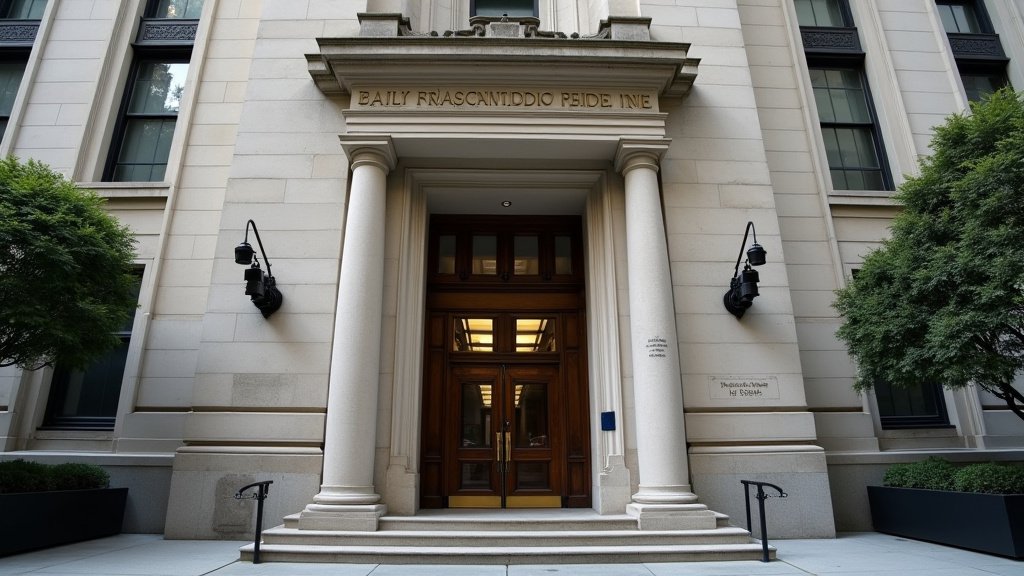
The San Francisco Immigration Court, a critical node in the American legal system and currently managing one of the largest dockets on the West Coast, is facing a deepening administrative crisis. New data confirms a surge in case backlogs and logistical failures at the court’s primary facilities, including the specific processing centers in the Concord area. As administrative bottlenecks tighten, the rate of removal orders issued has climbed sharply, creating a bottleneck that threatens the due process rights of thousands of asylum seekers and families. The situation is not merely a staffing shortage; it is a systemic breakdown characterized by mismanaged scheduling, outdated filing systems, and an overwhelming volume of cases that exceed current judicial capacity.
The Numbers Behind the Chaos
The data provided by the Transactional Records Access Clearinghouse (TRAC) at Syracuse University paints a grim picture. The backlog at the San Francisco Immigration Court has reached record levels, with wait times now extending into years for many applicants. For families fleeing violence or persecution, the wait is not just an administrative burden—it is a period of precarious legal existence. The surge in removal orders—legal judgments requiring an individual to leave the country—has seen a disproportionate impact on families. Statistics suggest that when administrative chaos hits, the efficiency of ‘moving’ cases often comes at the expense of comprehensive legal review. When dockets are cleared via mass removal orders due to procedural failures—such as missed notice hearings or clerical errors in the Concord facility—the integrity of the court itself is called into question.
Administrative Failures and Logistical Strains
The administrative strain in Concord and San Francisco is exacerbated by the lack of physical and digital infrastructure. Immigration judges, who are employees of the Executive Office for Immigration Review (EOIR) under the Department of Justice (DOJ), are managing dockets that are physically impossible to adjudicate with the current level of support staff. Logistical failures, such as the inability to effectively coordinate interpreters, delayed evidence filing, and the frequent rescheduling of hearings, create a ‘revolving door’ of court dates. This cycle not only wastes judicial resources but creates a high-pressure environment where attorneys are often forced to prepare cases in hours rather than weeks. This shift in the court’s operational tempo effectively penalizes the asylum seeker, who must navigate a Byzantine system that seems designed to expedite removal rather than ensure justice.
The Human Toll on Asylum Seekers
Behind every statistic of a soaring removal order is a family in limbo. The disparity in outcomes between those who have legal counsel and those who do not is growing. As the backlog grows, the court has implemented stricter protocols for case management, which often results in judges ordering removals for individuals who failed to meet rigid filing deadlines. The human impact is profound: families who have spent months, sometimes years, building a life in the Bay Area are suddenly served with removal notices based on technicalities. This crisis has placed an enormous burden on local non-profit legal aid organizations, which are currently being overwhelmed by the demand for emergency motions to reopen cases.
Historical Context and Policy Evolution
The current crisis in the San Francisco court is not an isolated event but the culmination of decades of underfunding and reactive policymaking. Historically, immigration courts were designed to handle a fraction of the current volume. As U.S. border policies have shifted, the San Francisco court has become a pressure valve for the entire West Coast. Unlike other federal courts, immigration courts operate under the DOJ, meaning they lack the independence of Article III courts. This administrative structure—where the prosecutor (ICE) and the judge (EOIR) fall under the same executive umbrella—has long been criticized for creating an inherent bias toward enforcement over due process. The recent spike in removal orders serves as a stark metric of this structural bias in action.
Economic and Legal Consequences
The economic ripple effect of this crisis is significant. The backlog creates a ‘limbo economy’ where individuals are barred from legal work authorization while their cases pend, forcing them into the underground labor market or reliance on social safety nets. Simultaneously, the sheer volume of cases is exhausting the region’s supply of pro bono immigration attorneys. The depletion of these resources means that more respondents are forced to navigate complex asylum law pro se (representing themselves). The likelihood of a successful asylum claim without legal representation is statistically negligible, further driving the numbers of removal orders upward and creating a feedback loop of injustice that the current system is ill-equipped to break.
Future Projections and Systemic Risks
Looking ahead, the outlook for the San Francisco Immigration Court is tenuous. Without a significant infusion of funds to upgrade the technological infrastructure—specifically the long-promised transition to a fully digitized case management system—the logistical failures currently plaguing the Concord facilities will likely persist. Experts predict that unless the Department of Justice pivots toward a model that prioritizes case complexity over case speed, the removal orders will continue to rise. Furthermore, as the backlog deepens, the court risks becoming a venue for ‘assembly-line justice,’ where the goal of reducing the docket size supersedes the mission of delivering fair, individual assessments of asylum claims. The integrity of the immigration system is fragile; in Northern California, it is currently at a breaking point.