The National Transportation Safety Board (NTSB) has confirmed that the wreckage of the NewsChopper4, which tragically crashed in the Chatsworth neighborhood of Los Angeles on December 19, 2023, has been transported to a specialized facility in Arizona. This move marks a critical phase in the ongoing investigation into the mechanical and environmental factors that contributed to the incident, which claimed the lives of the pilot and the news photographer onboard.
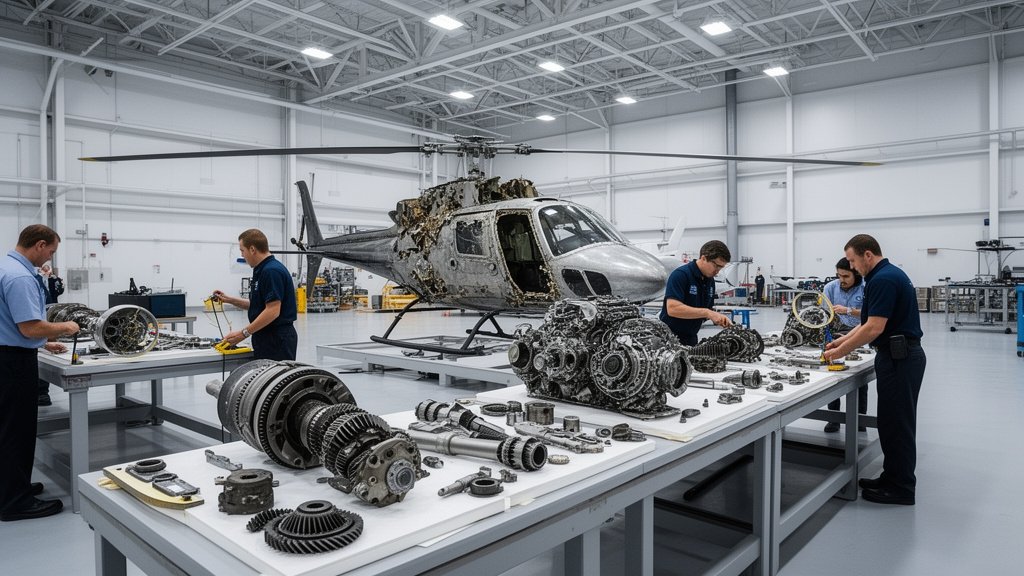
Moving the wreckage to a dedicated hangar in Arizona allows federal investigators to conduct a methodical, forensic teardown of the aircraft. By relocating the components away from the accident site, the NTSB can better control the environment, utilize advanced diagnostic equipment, and cross-reference physical evidence with flight data to reconstruct the final moments of the flight.
The Forensic Investigation Process
When major aviation accidents occur, the NTSB often secures the wreckage and transports it to a secure facility. For complex accidents involving rotorcraft, this involves a systematic disassembly of the aircraft. Investigators from the NTSB are looking at every critical system, including the rotor assembly, transmission, engine components, and the tail boom. The goal is to determine if a mechanical failure preceded the crash or if external factors—such as localized weather conditions or unexpected air turbulence in the Chatsworth area—played a primary role.
Forensic investigators examine the ‘fracture surfaces’ of metallic components. By looking at how metal parts have bent, broken, or stretched, experts can often determine if a failure happened while the aircraft was in flight or upon impact with the ground. This scientific approach is necessary to provide an objective, non-negotiable narrative for the public and the families of the victims.
Understanding the NTSB Timeline
While the transfer of the NewsChopper4 wreckage to Arizona is a significant milestone, it does not imply an immediate conclusion to the investigation. The NTSB investigation process typically includes several distinct phases. Following the recovery and examination of the wreckage, the board will analyze the pilot’s logbooks, maintenance records, and any available radar data.
In high-profile media aviation accidents, there is often pressure for quick answers. However, the NTSB operates on a rigorous, evidence-based schedule. The preliminary report is generally released within weeks, but the final, probable-cause report can take 12 to 24 months to complete. This thoroughness is designed to ensure that if a safety recommendation is made, it is based on incontrovertible data to prevent similar tragedies in the future.
The Critical Role of Media Aviation Safety
This incident has prompted a broader conversation regarding the safety protocols of news organizations operating aerial platforms in dense urban environments like Los Angeles. The use of helicopters for traffic and breaking news reporting is a staple of Southern California media, yet the inherent risks of low-altitude flight, especially during evening hours or inclement weather, remain a significant point of review for news stations nationwide.
Industry experts emphasize that aviation safety management systems (SMS) in newsrooms must be as robust as those in commercial airlines. This includes strict oversight on pilot fatigue, maintenance scheduling, and the decision-making process regarding ‘go/no-go’ flight criteria. The NTSB’s findings from the NewsChopper4 investigation will likely influence future safety regulations for light aircraft operators across the news industry.
Aviation Data and Technical Analysis
Beyond the physical wreckage, the investigation will rely heavily on onboard electronic data. If the aircraft was equipped with flight data monitoring systems or if the crew utilized mobile devices that logged telemetry, these data points will be synthesized with the physical wreckage findings. Analysts will compare the pilot’s inputs against the aircraft’s actual performance to identify any discrepancies. This digital forensic work is just as vital as the mechanical teardown occurring in the Arizona facility, as it paints a dynamic picture of the flight’s final minutes.
FAQ: People Also Ask
1. Why was the NewsChopper4 wreckage moved to Arizona?
The NTSB maintains secure, specialized hangar facilities in Arizona where investigators can perform a forensic teardown of aviation wreckage away from public view and weather elements, ensuring the integrity of the evidence.
2. How long will the NTSB investigation take?
While a preliminary report is usually released shortly after an accident, a final report containing the probable cause and safety recommendations often takes between 12 and 24 months to complete due to the complexity of the forensic analysis.
3. Will the investigation include mechanical failure analysis?
Yes. A core component of the investigation involves examining the engine, transmission, and rotor systems to determine if a mechanical failure occurred before the crash or if the damage was solely the result of the impact.
4. What happens to the final NTSB report?
The final report is made public and is used by the aviation industry and regulatory bodies, such as the FAA, to implement safety changes or policy adjustments to prevent future accidents.