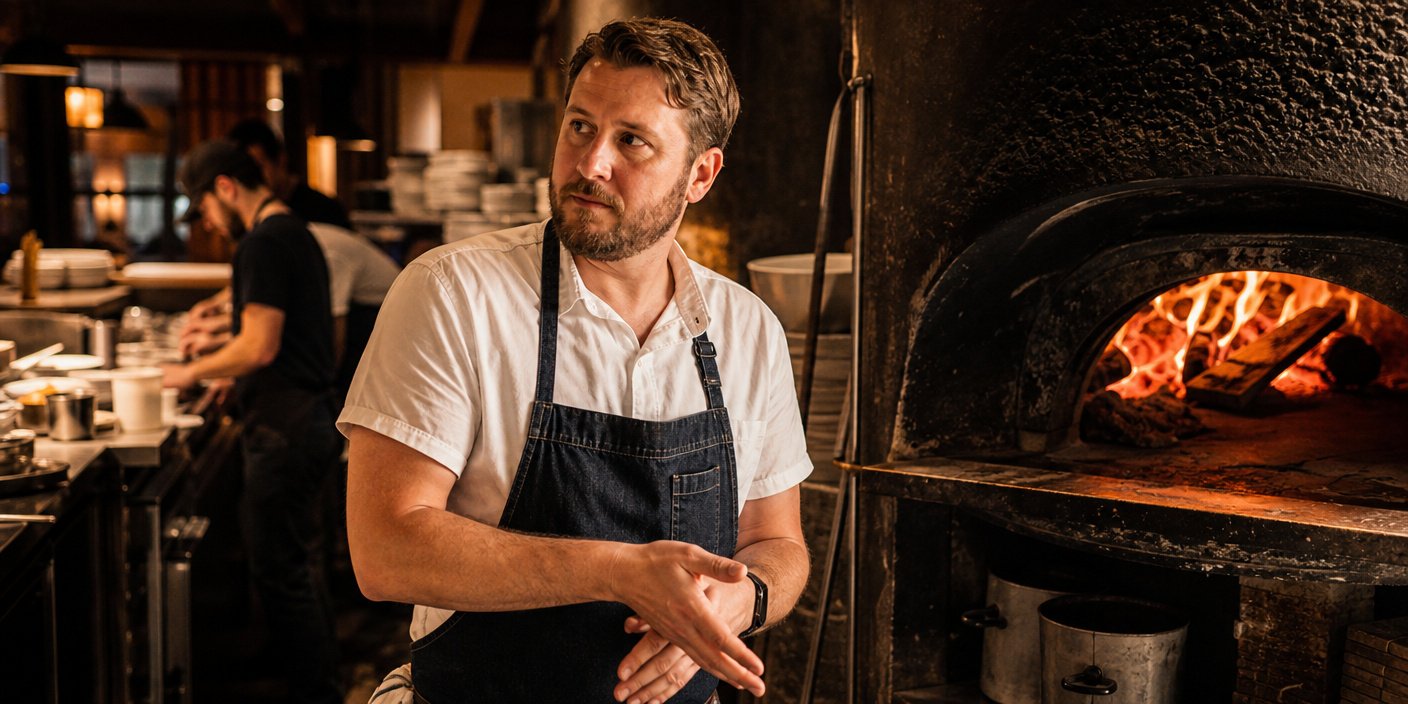
Tar & Roses, the acclaimed Santa Monica restaurant that helped redefine the city’s dining landscape with its innovative wood-fired cuisine, has officially announced that it will cease operations after a run spanning more than a decade. The closure, which follows a period of mounting economic pressures within the Southern California restaurant industry, marks the end of an era for local food enthusiasts and represents a significant shift for the Wilshire Boulevard dining corridor.
Key Highlights
- Final Service Date: The establishment confirmed it will conclude its service in the coming weeks, inviting loyal patrons for a final experience.
- Culinary Legacy: Since its inception in 2012, Tar & Roses became famous for its diverse, shareable plates and the central wood-fired oven that anchored its kitchen.
- Industry Pressure: The closure underscores the systemic difficulties facing independent restaurateurs, including rising labor costs, inflation, and commercial lease renewals.
- Chef’s Vision: Founder Andrew Kirschner, a staple in the Los Angeles food community, established the brand as a beacon of approachable yet sophisticated dining.
The End of an Era: The Story of Tar & Roses
When Tar & Roses first fired up its ovens in 2012, the culinary landscape of Santa Monica was fundamentally different. The restaurant, spearheaded by chef-owner Andrew Kirschner, arrived with a bold concept: a wood-burning oven that wasn’t just a gimmick, but the beating heart of the kitchen. For nearly 15 years—reaching a 12-year milestone of continuous operation—the restaurant served as a reliable, high-energy destination that bridged the gap between casual seaside dining and serious, technique-driven gastronomy. Its departure is not merely the closing of a business; it is the fading of a community anchor.
The Wood-Fired Innovation
At the core of Tar & Roses’ appeal was its ability to balance rusticity with refinement. The menu, characterized by its “New American” approach, utilized high-heat cooking to elevate simple ingredients—like whole fried snapper, oxtail, or charred cauliflower—into must-order dishes. This strategy of shareable, vibrant, and texturally complex food helped establish the restaurant as a consistent performer in a notoriously fickle industry.
For many locals, the interior of Tar & Roses, with its warm lighting and energetic buzz, served as the quintessential Santa Monica night out. It was a place where special occasions felt intimate, and weeknight dinners felt like an event. The departure of such a long-standing fixture forces regulars to confront the impermanence of the city’s food scene, where even the most beloved institutions are subject to the pressures of an evolving market.
Economic Currents and the Restaurant Climate
While the restaurant enjoyed sustained popularity, the announcement of its closure highlights the harsh reality of the modern Los Angeles restaurant sector. For independent, non-chain entities, the post-pandemic recovery has been a double-edged sword. While diners returned in droves, the overhead costs—spanning from the skyrocketing price of wholesale goods to the rising cost of labor in California—have eroded thin profit margins to unsustainable levels.
Commercial real estate in Santa Monica is among the most expensive in the country. When leases come up for renewal, the pressure to maintain or increase profitability often forces operators to make a binary choice: raise prices to a level that may alienate the local base, or close the doors while the legacy of the restaurant remains untarnished. The closure of Tar & Roses serves as a bellwether for the difficulties faced by “middle-market” dining—establishments that are neither cheap fast-casual nor ultra-luxury, but rather the essential local spots that provide the backbone of neighborhood culture.
Andrew Kirschner’s Culinary Footprint
It is impossible to discuss the history of Tar & Roses without focusing on the vision of Andrew Kirschner. Before this venture, Kirschner had already established himself as a force in the LA dining world, having helmed kitchens such as Wilshire Restaurant. With Tar & Roses, he managed to create a brand that felt deeply personal. The restaurant’s “no-nonsense” approach to hospitality—focusing on quality ingredients and consistent execution—mirrored the chef’s own philosophy.
Kirschner’s influence extends beyond the four walls of the Santa Monica Blvd location. Many of the chefs and front-of-house staff who passed through the kitchen have gone on to influence other local eateries, creating a lineage of hospitality that will persist even as the original Tar & Roses closes. His ability to curate a menu that felt both timeless and current ensured that the restaurant rarely suffered from the “flavor of the month” syndrome that plagues many LA hot spots.
The Future of the Space and Local Dining
As the final service approaches, the question turns to what will fill the void left by this institutional exit. Santa Monica has seen a rapid transformation in the last few years, with new concepts attempting to capture the changing palate of the city’s residents. However, replacing a staple like Tar & Roses is a monumental task. The space at 602 Santa Monica Blvd is not just a commercial address; it is a location imbued with thousands of hours of social history.
Whether the space is repurposed for a new concept or remains a blank slate, the closure serves as a reminder to the community to support their neighborhood institutions. Restaurants are the third places of our lives—the spaces between home and work where community is formed. When a pillar of that community closes, it creates a vacuum that is felt deeply by the patrons who grew up, dated, celebrated, and gathered there for over a decade.
FAQ: People Also Ask
1. Why is Tar & Roses closing?
While specific financial details of the lease were not disclosed, the restaurant cited the challenging economic climate for independent restaurants as the primary driver for the decision.
2. When is the final date of service for Tar & Roses?
Management has indicated the restaurant will conclude its run in the coming weeks, though they have encouraged guests to follow their official channels for reservation availability during their final weeks of operation.
3. Will Chef Andrew Kirschner open a new restaurant?
Chef Kirschner has not announced specific plans for a new project, though his long history in the LA food scene suggests he remains an active figure in the industry.
4. Does this signify a trend in Santa Monica dining?
Industry analysts note that high operational costs and lease renewals are increasingly forcing long-term, independent operators in Santa Monica to re-evaluate their business models, which may lead to more closures in the coming year.