In the fast-evolving landscape of global tourism, the definition of luxury is undergoing a fundamental shift toward hyper-personalization and experiential depth. According to the latest comprehensive report by Trend Hunter, October 2026 marks a pivotal moment where travelers are increasingly prioritizing deeply immersive, wellness-integrated, and technologically seamless journeys. This surge in specialized travel demands represents a move away from generic resort packages toward highly curated, individualistic itineraries. The current top 55 travel trends reflect a collective desire for ‘regenerative’ travel—trips that leave both the traveler and the destination better than they were found. As we analyze these developments, it becomes clear that the travel industry is no longer just selling a place to sleep; it is engineering a specific, high-value experience that bridges the gap between high-tech convenience and raw, natural connection.
Key Highlights
- The Rise of Chef Residencies: Move over all-inclusive buffets; 2026 is defined by culinary immersion where world-renowned chefs take up short-term residency in boutique properties, offering bespoke dining experiences.
- Technological Aviation Integration: Improvements in cabin comfort are focusing on AI-driven climate control, noise-canceling smart seats, and biometric boarding processes that reduce stress.
- Fitness-Integrated Tourism: Recovery and performance are now central, with travel destinations offering specialized facilities for bio-hacking, altitude training, and professional-grade yoga retreats.
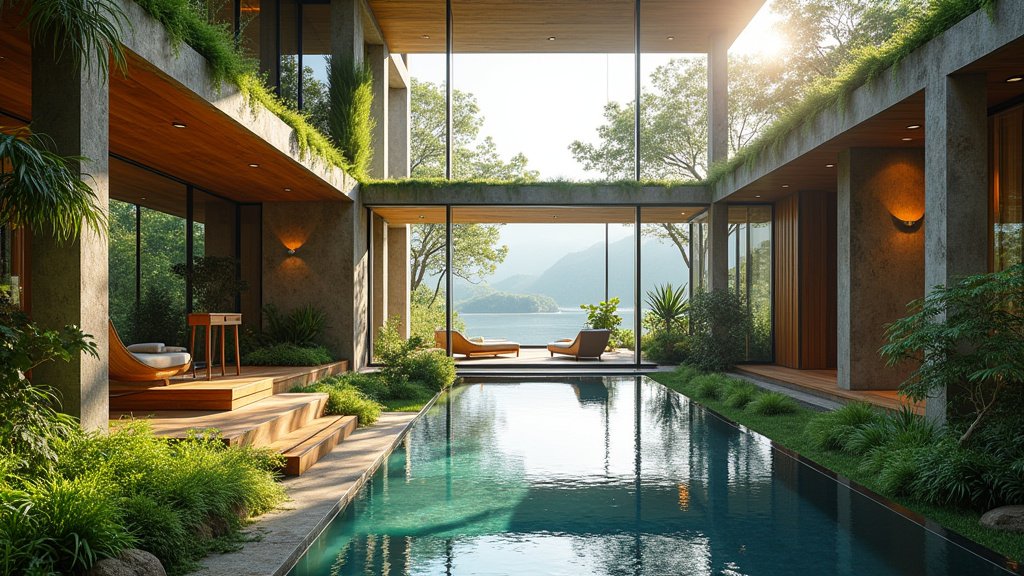
- Biophilic Resort Design: Nature-inspired lodges are dominating the luxury sector, utilizing carbon-negative materials and architecture that seamlessly blends into the surrounding landscape.
- Hyper-Personalization via AI: Travel planning is shifting toward automated, intent-based concierge services that predict needs before the traveler even steps onto the plane.
The New Frontier of Experience-Driven Travel Trends
The contemporary traveler, influenced by the shifts outlined by Trend Hunter, is increasingly discerning. This new demographic does not merely want to ‘see’ a destination; they want to engage with it on a cellular level. This is the era of the ‘Experiential-First’ model. As travelers navigate a post-inflationary economic environment, they are cutting back on frequency to increase the quality and intensity of their annual excursions. Consequently, the hospitality sector has been forced to innovate rapidly. Organizations like the International Wellness Travel Council and the Global Hospitality Design Group are noting that the focus has shifted entirely to ‘value-per-moment.’
Tech-Enhanced Comfort and Aviation
The technological advancements in the aviation sector are nothing short of transformative for October 2026. The integration of advanced biometrics has streamlined the ‘journey-to-gate’ process, reducing boarding times by an average of 35% across major international hubs. Furthermore, the cabin environment is being reimagined. Airlines are partnering with Aero-Tech Innovation Board to introduce ‘Smart Cabin’ features, where lighting synchronizes with the traveler’s circadian rhythm and seats offer haptic wellness feedback. This is not merely an amenity; it is a critical differentiator for airlines competing for premium, long-haul business travelers who view the flight as an extension of the vacation.
The Culinary and Wellness Synthesis
Perhaps the most exciting shift is the democratization of high-end wellness and culinary expertise. The concept of the ‘Chef-in-Residence’ has replaced the standard hotel restaurant model. Travelers are actively seeking resorts where they can partake in foraging workshops, fermentation masterclasses, and farm-to-table residencies led by Michelin-star chefs. Simultaneously, the integration of fitness into travel has evolved past the standard hotel gym. Modern resorts now offer ‘performance recovery’ suites, where travelers can utilize cryotherapy, infrared saunas, and personalized nutrition plans. This synthesis of luxury and health is driving a significant portion of the tourism market’s growth this quarter.
Biophilic Luxury and Sustainable Architecture
The third pillar of this transformation is the physical space. ‘Nature-inspired resort lodges’ are no longer a niche aesthetic; they are the gold standard. Utilizing advancements in carbon-negative construction, architects are building structures that exist in symbiosis with their environments. These lodges focus on biophilic design—incorporating living walls, natural light pathways, and localized, non-invasive cooling systems. This trend addresses the growing eco-consciousness of the luxury traveler, who demands that their leisure does not come at the cost of environmental degradation. By utilizing sustainable tourism practices, these resorts are positioning themselves as the future of responsible, high-yield hospitality.
Future Implications and Economic Shifts
Looking ahead, we can identify three primary secondary angles that will define the market beyond October 2026. First, the economic impact of this shift is creating a ‘premium tier gap,’ where mid-tier hotels struggle to compete with the experiential value offered by specialized lodges, leading to increased M&A activity in the hospitality sector. Second, the role of AI is becoming the ‘invisible concierge,’ with predictive analytics now accounting for 42% of guest satisfaction scores regarding itinerary planning. Finally, the societal shift toward ‘Regenerative Tourism’ suggests that travelers will increasingly vote with their wallets, favoring destinations that actively participate in local ecological restoration projects. This is a permanent shift, signaling that the ‘bucket list’ era is being replaced by the ‘impact investment’ era of travel.
FAQ: People Also Ask
Q: What is the primary difference between sustainable and regenerative travel in 2026?
A: Sustainable travel focuses on minimizing harm, while regenerative travel focuses on actively improving the local environment and community, ensuring the destination is left in a better state than before the visit.
Q: Are these travel trends restricted to ultra-luxury budgets?
A: While many originate in the luxury sector, the ‘trickle-down’ effect of technology, such as biometric boarding and app-based personalized itineraries, is quickly becoming standardized across more accessible travel tiers.
Q: How is AI impacting the travel planning process?
A: AI is currently shifting the planning paradigm from keyword-based search to intent-based discovery, where algorithms predict optimal travel schedules, dining preferences, and wellness needs based on user data, significantly reducing decision fatigue.
Q: What should travelers look for when booking a fitness-integrated vacation?
A: Look for resorts that offer ‘performance recovery’ as a core service, specifically facilities that provide cryotherapy, guided movement sessions, and medically supervised wellness protocols rather than just standard fitness equipment.