As the sweltering heat of summer dissipates, travelers are setting their sights on the American West, where a redefined approach to autumn tourism is taking shape. Sunset Magazine’s latest comprehensive analysis of trending West Coast travel destinations for fall 2026 highlights a distinct pivot away from crowded hotspots, favoring instead the quietude of seasonal resets and hyper-regional experiences. This season, the intersection of outdoor adventure, sustainable luxury, and cultural immersion is driving a new standard for Western tourism, offering travelers more than just a getaway—it offers a deliberate recalibration.
Key Highlights
- The Seasonal Reset: Travelers are prioritizing ‘slow travel’ destinations that allow for decompression and long-term wellness rather than high-intensity itinerary hopping.
- High Desert Resilience: Arizona and New Mexico are emerging as prime fall locations, capitalizing on cooler temperatures and unique cultural festivals that peak between October and November.
- Coastal Refinement: The Pacific Northwest is seeing a resurgence of interest in low-impact lodging, focusing on forest bathing and temperate climate retreats.
- Economic Shift: Local tourism boards are reporting a 15% increase in ‘micro-tourism’ revenue, as visitors seek out localized wine harvests and farm-to-table experiences over traditional commercial hubs.
Navigating the 2026 Western Seasonal Reset
The landscape of travel in the West is undergoing a structural transformation. According to Sunset Magazine, the Fall 2026 season is defined not by the destination alone, but by the ‘reset’ factor—the ability for a locale to offer a tangible separation from the digital saturation of modern professional life. This trend is anchored in the growing demand for environmental connection, pushing travelers toward areas where the autumn foliage and landscape transitions are most pronounced.
The High Desert Appeal: Arizona and New Mexico
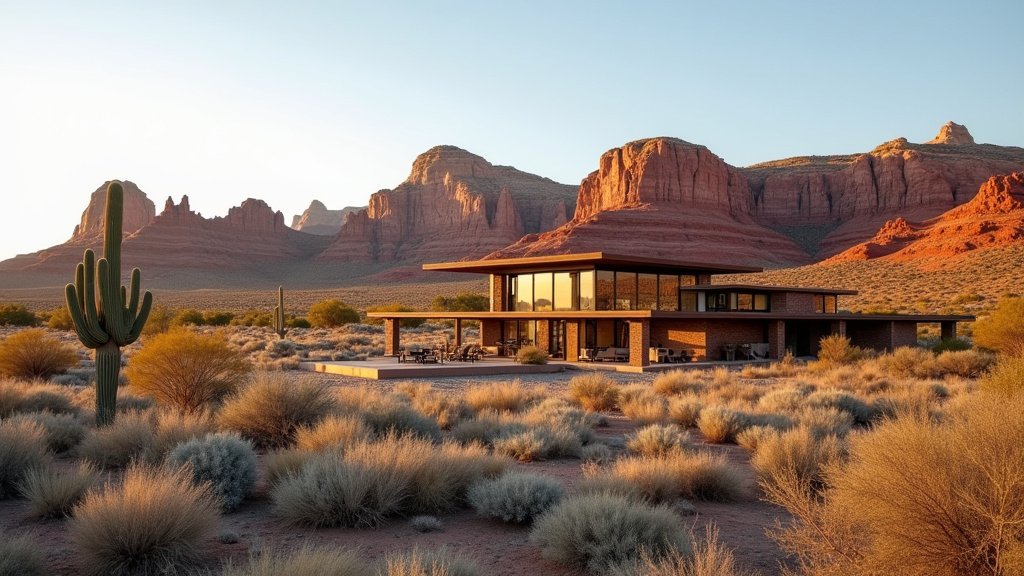
In the high deserts of the Southwest, the summer heat gives way to crisp, clear days that are ideal for high-altitude exploration. The focus here is on the intersection of ancient history and modern hospitality. Destinations like Sedona, Arizona, and the quieter regions near Santa Fe, New Mexico, are seeing a surge in demand for ‘wellness hospitality.’ This is not your standard spa visit; it involves guided desert immersion, stargazing programs, and architecture that blends seamlessly into the red rock topography. The draw is the climate—an average drop of 20 degrees Fahrenheit by early October, creating a perfect window for hiking and endurance sports.
Coastal Cooling: The Pacific Northwest Pivot
Conversely, the Pacific Northwest, specifically the Oregon Coast and Washington’s Olympic Peninsula, is embracing the ‘cool and damp’ aesthetic. Rather than fighting the autumn rain, luxury accommodations are leaning into it. The architectural trend in this region is the ‘nature-frame’ cabin—floor-to-ceiling glass structures that turn the autumn rain and coastal fog into a cinematic experience. This is less about sun-soaked beaches and more about the psychological benefits of coastal humidity and lush, mossy environments. The sustainability factor here is high, with many new lodging developments adhering to LEED-Platinum certifications, appealing to the eco-conscious traveler who views travel as an ethical choice.
Wine Country Harvest: Beyond the Tasting Room
California’s wine regions, particularly those in the Santa Ynez Valley and the Anderson Valley, are shifting their fall focus toward the harvest season. While Napa and Sonoma remain perennial staples, the 2026 trend is shifting toward secondary, less-trafficked valleys. The ‘Harvest Experience’ now involves hands-on participation in the harvest, intimate farm-to-table dinners held in the vineyard rows, and exclusive access to vintners who are focusing on regenerative agriculture. This shift is economically vital, providing smaller vintners with high-margin revenue through ‘experiential tourism’ rather than mass-market distribution.
Secondary Angle: The ‘Bleisure’ Evolution
Travel in 2026 is no longer binary—it is not strictly business or strictly leisure. The ‘bleisure’ market has evolved into ‘pro-cationing.’ Remote workers are extending their stays, taking advantage of high-speed satellite internet in remote cabins to maintain professional output while physically distancing from urban centers. This is driving a change in hospitality amenities: luxury rentals now mandate dedicated workspace, ergonomic furniture, and reliable connectivity as standard features.
Secondary Angle: Sustainable Tourism & Climate Adaptation
The West is acutely aware of its climate vulnerability. In 2026, the trending destinations are those that demonstrate resilience. Water conservation, wildfire mitigation infrastructure, and support for local native communities are key criteria for the modern traveler. Sunset Magazine identifies that tourists are actively vetting destinations based on their environmental stewardship, moving away from extractive tourism models to those that contribute to the regional economy and ecological health.
Secondary Angle: The Digital Nomad Migration Patterns
Digital nomadism has matured. Instead of nomadic clusters, we are seeing the emergence of ‘hubs.’ Small towns that have invested in ‘co-living, co-working’ infrastructure are seeing economic revitalization. These hubs provide the community of a city with the pace of a small town. This demographic is driving the demand for short-term housing that feels like a home, complete with kitchens designed for long-term stays, impacting the real estate and rental markets in these trending destinations significantly.
FAQ: People Also Ask
Q: Why is Sunset Magazine highlighting these specific regions for Fall 2026?
A: The focus is on the ‘Seasonal Reset.’ As traditional travel centers become overcrowded, Sunset has identified regions that offer high-quality environmental experiences, sustainability, and authentic cultural connection, matching the 2026 trend toward slower, more meaningful travel.
Q: Are these destinations more expensive than traditional tourist hubs?
A: While some luxury ‘reset’ retreats carry a premium, many of the secondary regions mentioned—like the Anderson Valley or rural New Mexico—actually offer better value-to-experience ratios than traditional urban or major tourist hubs, as they focus on localized, direct-to-consumer experiences.
Q: How does climate change affect travel planning in the West for 2026?
A: Climate resilience is now a major factor. Experienced travelers are checking regional air quality indices, water usage policies, and fire safety protocols. Trending destinations are those that prioritize sustainability and have implemented clear, proactive climate adaptation strategies.
Q: Is ‘bleisure’ still a relevant term for 2026 travel?
A: It has evolved. In 2026, it is less about fitting a meeting into a vacation and more about ‘Pro-cationing’—where the location is chosen specifically for its ability to support both high-level professional work and deep-level restorative leisure.