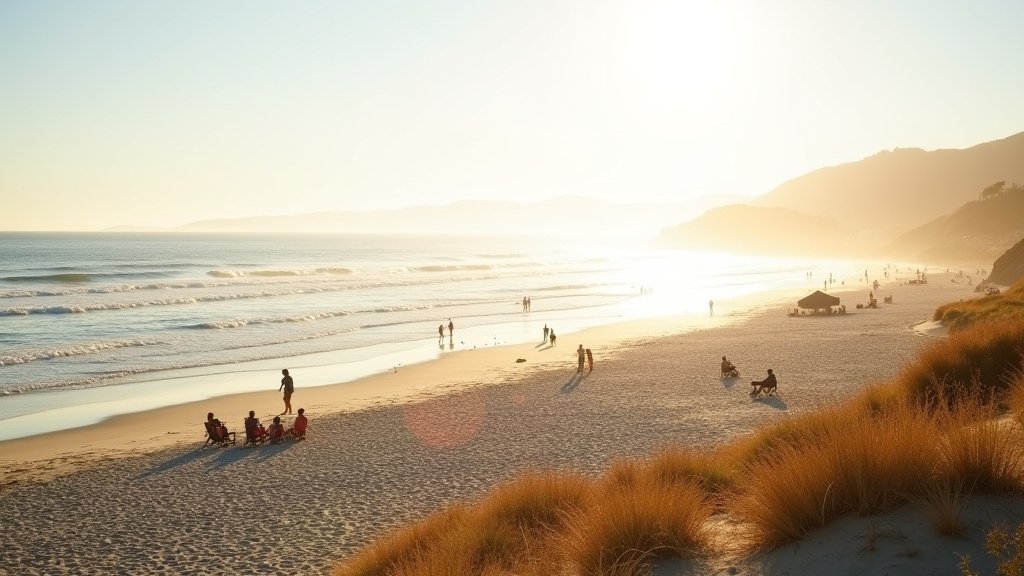
As autumn leaves begin to turn, a significant migration is occurring that defies traditional seasonal logic: millions of travelers are trading mountain retreats and city breaks for the coast. Data from major travel aggregators and tourism boards, including the U.S. Travel Association, indicates a robust surge in late-season bookings for seaside towns. From the sun-drenched corridors of Carlsbad, California, to the rugged shores of the Atlantic, the ‘shoulder season’ is no longer a lull—it is becoming a primary travel pillar. This migration is fueled by a confluence of mild weather patterns, the democratization of remote work, and a strategic shift by travelers seeking value and authenticity away from the chaotic peak summer months.
Key Highlights
- The Shoulder Season Boom: Travel industry reports show a 15–20% increase in coastal bookings during the September-October window compared to five-year averages.
- Climate Resilience: Extended warm-weather patterns—often referred to as ‘extended summer’—are maintaining beach-day viability well into late October, particularly in Southern California and the Mediterranean-climate zones.
- The ‘Workation’ Effect: Increased flexibility in corporate remote work policies has allowed professionals to extend weekend getaways into week-long working holidays, boosting midweek local spending.
- Economic Stabilization: Local businesses, once reliant solely on June–August revenue, are reporting higher annual profit margins due to consistent foot traffic well into the autumn.
The New Autumnal Migration: Why the Coast is Winning
The modern traveler is undergoing a fundamental shift in perception regarding coastal destinations. Historically, beach towns were viewed through the narrow lens of peak summer—a three-month window of overcrowding, premium pricing, and frantic activity. However, the rise of the ‘shoulder season’ traveler has flipped this narrative on its head. This demographic, often comprising affluent millennials, ‘digital nomads,’ and retirees, is actively seeking out the quietude of autumn coastal life.
The Psychology of Post-Peak Travel
Psychologically, the appeal of a coastal destination in autumn is rooted in the contrast it provides to the return of the ‘9-to-5’ grind in September. While the rest of the world rushes into the structured, high-stress rhythms of the school year or the fiscal fourth quarter, the coast offers a sensory buffer. The weather remains temperate—frequently hitting the ‘Goldilocks zone’ of 70–75 degrees Fahrenheit in coastal California—without the blistering humidity or UV intensity of July. For travelers, this provides the aesthetic pleasure of a beach vacation without the physical discomfort of peak summer heat.
Furthermore, the scarcity of peak-season crowds enhances the exclusivity of the experience. Restaurants that require a two-month waitlist in August become accessible hubs of local gastronomy in October. The pace of life slows, allowing for the kind of ‘slow travel’—a burgeoning trend in the hospitality sector—that emphasizes connection to place over checking off tourist landmarks.
The Economic Ripple Effect and Local Sustainability
From an economic standpoint, the extension of the travel season is a vital lifeline for small businesses. In towns like Carlsbad, local chambers of commerce have pivoted toward ‘year-round programming’ to entice visitors. This shift in strategy has profound implications for local labor markets. By spreading tourism revenue across ten months rather than three, small business owners can retain permanent staff, reduce the volatility of seasonal hiring, and provide a higher quality of service to visitors.
This trend also addresses a critical issue in modern tourism: the strain on infrastructure. Summer over-tourism frequently overwhelms the water, electricity, and transportation systems of smaller beach municipalities. By shifting the bulk of travel to the autumn, the burden on these systems is distributed more equitably throughout the year, fostering a more sustainable model of tourism that appeals to eco-conscious travelers.
The Digital Nomad and the Work-from-Anywhere Revolution
Perhaps the most significant structural change driving this trend is the professional paradigm shift. With the widespread adoption of hybrid and fully remote work models, the ‘weekend getaway’ has evolved into the ‘week-long workation.’ Data shows that travelers are increasingly booking coastal rentals equipped with high-speed internet and ergonomic workspaces. This group doesn’t just visit; they integrate into the local ecosystem. They frequent local coffee shops on Tuesday mornings, gym classes on Wednesday afternoons, and local markets on Thursday evenings. This integration provides a consistent economic injection that creates a stable baseline for local economies, insulating them from the ‘boom and bust’ cycles of strictly seasonal tourism.
Future Predictions: The End of the High-Season Monopoly
Looking toward the next five years, analysts predict that the lines between high and low seasons will continue to blur. Climate change, which is leading to more frequent heatwaves in the summer, is likely to make shoulder-season travel a permanent necessity rather than a preference. As interior cities face increasingly unlivable temperatures in July and August, coastal retreats will become the primary refuge for those seeking reliable, moderate climates. Cities that invest in year-round infrastructure—such as all-season dining, cultural events, and improved off-peak transit—will be the winners in this evolving landscape.
FAQ: People Also Ask
1. Is coastal travel actually cheaper in the fall?
Yes, in most cases. While high-end luxury resorts may maintain their rates, standard hotel and vacation rental pricing often drops by 20–30% after Labor Day. This ‘value-added’ travel is a primary driver for the current uptick.
2. What are the best months for ‘shoulder season’ travel?
For the Northern Hemisphere, September and October are the gold standard. You get the residual warmth of the summer ocean temperatures with the cooler air and thinner crowds of the autumn season.
3. How does climate change affect this trend?
Increasingly erratic summer temperatures are pushing travelers to avoid July and August for beach trips, opting instead for late autumn when the risk of extreme heatwaves is significantly diminished.
4. Is ‘workation’ travel suitable for families?
It is becoming more common, but requires careful planning. Many families are opting for ‘hybrid’ trips where one parent works while the other manages activities, or choosing locations with strong local schools or activity camps that accept short-term enrollments.