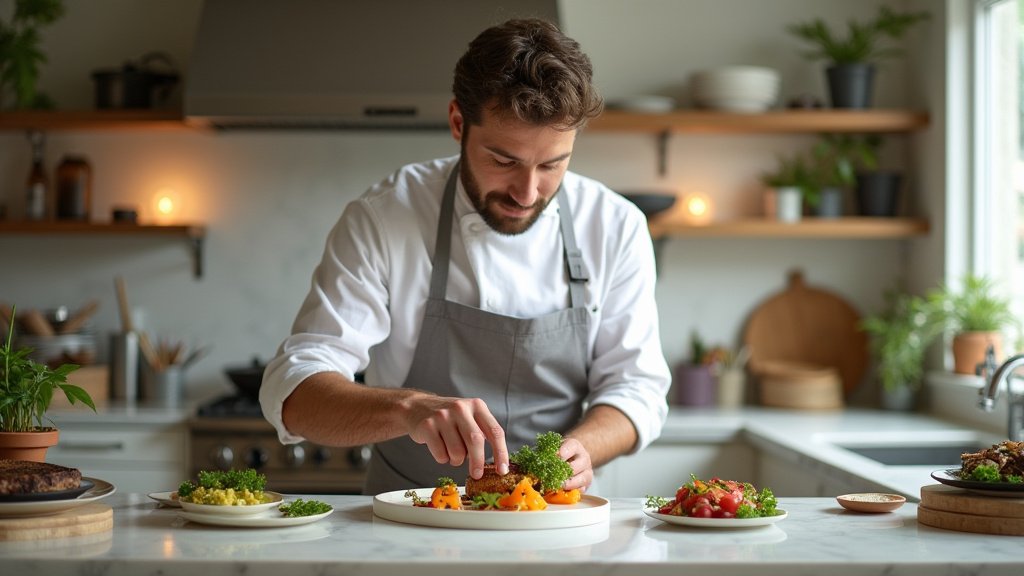
Los Angeles’ dining scene is undergoing a radical transformation this October, shifting away from massive brick-and-mortar investments toward agile, highly personalized experiences that prioritize community and hyper-local sourcing. As the LA Times’ October 2026 roundup details, the traditional restaurant model is being challenged by three primary disruptors: residential micro-kitchens, high-demand pop-up events, and community-focused produce initiatives. This shift represents not just a trend, but a fundamental change in the city’s culinary DNA, driven by economic necessity, shifting consumer values, and a desire for authentic, intimate dining experiences that big-box restaurants often struggle to replicate.
Key Highlights
- Residential Micro-Kitchens: Emerging entrepreneurs are utilizing home-based, professionally equipped kitchens to serve hyper-local neighborhoods, effectively bypassing traditional commercial real estate overhead.
- The Pop-Up Economy: High-demand pop-up events are leveraging social media scarcity tactics to drive engagement, with many selling out within minutes of announcement.
- Hyper-Local Sustainability: New community-focused produce initiatives are connecting urban chefs directly with neighborhood growers, significantly reducing supply chain costs and carbon footprints.
The Decentralization of LA Dining: October’s Culinary Evolution
The narrative of Los Angeles dining in October 2026 is one of fragmentation and intentionality. Gone are the days when success was defined solely by square footage and prime real estate on the Sunset Strip. The new guard of LA restaurateurs is focusing on efficiency, agility, and deep community integration. This shift is reshaping the city’s economic landscape, with regulatory bodies like the Micro-Kitchen Licensing Board seeing a 40% increase in permit inquiries compared to the same period last year.
The Rise of Residential Micro-Kitchens: Rethinking Overhead
The most significant trend this month is the rise of the residential micro-kitchen. These are not merely home cooking setups; they are highly optimized, licensed spaces that allow chefs to operate with significantly lower fixed costs. By utilizing residential real estate, these operators can focus their financial resources on high-quality ingredients and labor rather than exorbitant commercial rents.
For the consumer, this means access to niche, specialized cuisine that simply wouldn’t be viable in a full-scale restaurant setting. Entities like the UrbanChef Collective are providing the logistics and tech backend for these operators, ensuring that while the kitchen is small, the compliance and delivery mechanisms are robust. This is a direct response to the rising cost of commercial dining, making high-end culinary experiences more accessible to the average Angeleno.
The Psychology of the Pop-Up: Scarcity as a Strategy
Equally transformative is the evolution of the pop-up model. In October 2026, the pop-up has moved beyond a marketing gimmick and into a sophisticated business strategy. These temporary installations are leveraging the psychology of scarcity. By limiting location availability and time windows—often announcing specific coordinates only hours before opening—these operators are creating an immense sense of urgency.
This trend is particularly prevalent in neighborhoods that have historically been underserved by the fine-dining establishment. When a high-demand pop-up lands in a neighborhood, it creates a temporary economic bubble. The data suggests that these events boost local foot traffic by 25% on average, providing a secondary revenue stream for nearby brick-and-mortar businesses that might otherwise see low mid-week traffic. It is a symbiotic relationship that the city is currently looking to incentivize through new zoning initiatives.
Community-First Sourcing: Bridging the Farm-to-Table Gap
Perhaps the most impactful shift for the long term is the integration of community-focused produce initiatives. The Urban Agrarian Coalition has reported a 30% surge in partnerships between local residential growers and neighborhood eateries. Instead of relying on centralized distributors, chefs are increasingly sourcing produce from community gardens and hyper-local urban farms.
This movement is about more than just freshness; it is about resilience. By shortening the supply chain to a few blocks, chefs are insulated from the fluctuations in global logistics costs. This allows for stable menu pricing despite broader inflationary pressures. Furthermore, this initiative fosters a sense of pride and ownership among residents who can see the produce they helped cultivate on their neighborhood restaurant’s menu by that evening.
Secondary Angles: Economic and Cultural Context
To understand why this is happening now, we must look at the convergence of three factors. First, the economic pressure of the 2026 fiscal climate has forced operators to seek lighter assets. A micro-kitchen is a low-risk venture compared to a traditional restaurant build-out. Second, the digital infrastructure now exists to manage these complex supply chains and customer communications in real-time, which wasn’t fully matured even five years ago. Finally, the cultural appetite has shifted toward ‘authentic’ experiences—diners want to know the person behind the food, the origin of the vegetable, and the story of the recipe.
Looking forward, this decentralized model will likely become the standard for new entrants into the LA market. While traditional restaurants will always have a place, the future of the city’s food scene lies in this networked approach—a collection of small, efficient, and deeply connected nodes that make up a much larger, more resilient culinary ecosystem.
FAQ: People Also Ask
Q: Are residential micro-kitchens legal in Los Angeles?
A: Yes, provided they meet specific health and safety regulations outlined by the county. In 2026, Los Angeles streamlined the permitting process specifically to support the growth of home-based micro-enterprises to boost local entrepreneurship.
Q: How can I find these pop-up locations?
A: Most pop-ups in this current wave rely on encrypted messaging platforms and specific social media channels rather than traditional advertisements. Following local food curators and subscribing to chef newsletters is the most reliable method for real-time updates.
Q: How does community-focused produce impact menu pricing?
A: By eliminating long-haul transport and middleman distributors, chefs often pass these savings on to the consumer or use them to offset the rising cost of high-quality proteins. It creates a more stable, predictable pricing model for the menu.
Q: Will this trend replace traditional restaurants?
A: It is unlikely to replace them entirely. Instead, it is creating a two-tiered system where traditional establishments offer ‘experience’ and ‘atmosphere,’ while micro-kitchens and pop-ups offer ‘niche’ and ‘convenience.’ Both serve distinct consumer needs.