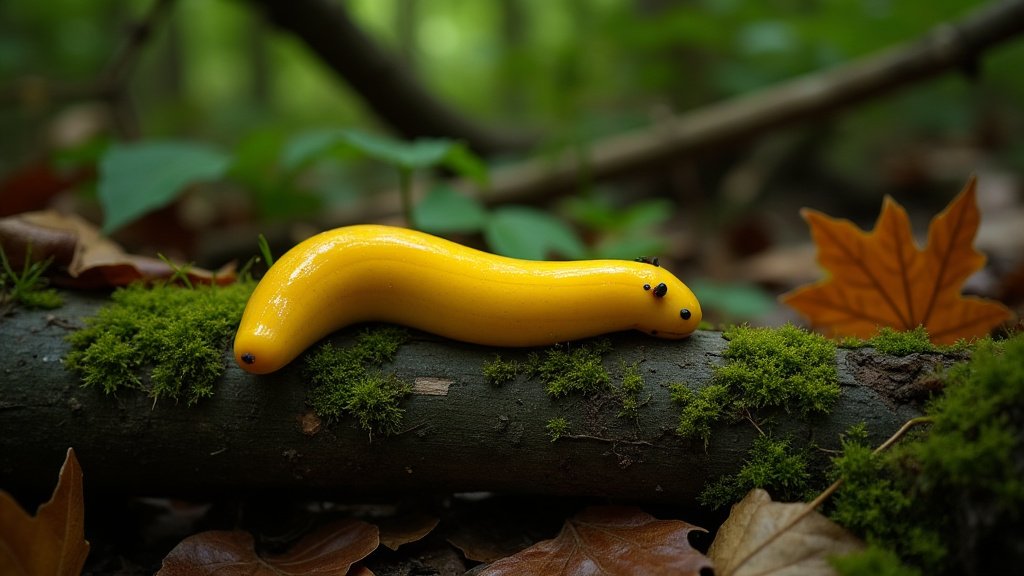
The vibrant, yellow silhouette of the banana slug is more than just a quirky icon of the Pacific Northwest; it is a critical engine of forest health, acting as a primary decomposer that cycles nutrients back into the soil of our ancient ecosystems. However, new research from Oregon State University (OSU) has cast a shadow over this ecological guardian. A study investigating the efficacy of a biological pesticide, known internationally as Nemaslug, has revealed a devastating, unintended consequence: the product is potentially lethal to the native West Coast banana slug.
Key Highlights
Unintended Lethality: Oregon State University researchers found that Nemaslug, a biopesticide containing the nematode Phasmarhabditis hermaphrodita, causes high mortality rates in native banana slugs (Ariolimax* genus).
The Biopesticide Dilemma: While designed to target invasive Arion* slug species currently plaguing gardens and agriculture, the study confirms a lack of species-specificity in the nematode treatment.
- Ecological Cascades: Banana slugs serve as crucial decomposers, spreading fungal spores and cycling nutrients; their decline could have ripple effects on forest biodiversity and plant health across the West.
- Regulatory Urgency: As the U.S. considers the registration and approval of such biological controls, the findings highlight a critical need for rigorous non-target species testing before widespread deployment.
The Unseen Conflict: Biopesticides vs. Native Invertebrates
The allure of biological pesticides, or “biopesticides,” often lies in their perceived environmental safety compared to traditional chemical alternatives. By utilizing natural organisms—in this case, the microscopic nematode Phasmarhabditis hermaphrodita—to infect and eliminate invasive slug species, farmers and agriculturalists hoped to find a “greener” solution to a growing problem. Invasive slugs, particularly those from the Arion genus, have caused significant agricultural and horticultural damage across the globe. However, the study from Oregon State University forces a re-evaluation of this “natural” approach when deployed in regions where native relatives of the target pest reside.
The Mechanism of Mortality
The Nemaslug treatment works by introducing Phasmarhabditis hermaphrodita into the environment. These nematodes actively seek out slugs, enter their bodies, and release bacteria that essentially digest the host from the inside. The OSU research team, led by entomologists and ecological experts, hypothesized that these nematodes might not distinguish between the target invasive species and the beloved native banana slug.
Their findings were stark. When exposed to the concentrations of P. hermaphrodita typically used in field applications, native banana slugs displayed severe susceptibility. The mortality rates observed under laboratory conditions suggest that if this product were applied in regions with healthy banana slug populations, the native invertebrates would effectively become collateral damage in the war against invasive species.
Ecological Consequences for the Forest Floor
Banana slugs are keystone species in the Pacific Northwest. They are not merely passive creatures; they are active architects of the forest understory. By consuming decaying plant matter, they accelerate nutrient cycling, facilitating the growth of native flora. Furthermore, they play a vital role in spore dispersal for various fungi, including some that form symbiotic relationships with tree roots. A significant reduction in the banana slug population, driven by the introduction of an unchecked biological control, could trigger a cascade of negative effects on forest regeneration and overall soil health.
Navigating the Regulatory and Biological Landscape
The potential arrival of Nemaslug in the United States places regulators at a complex crossroads. The Environmental Protection Agency (EPA) is responsible for the oversight of biopesticides, and the findings from OSU will inevitably become a pivotal piece of evidence in the approval process. The central issue is the “non-target” impact—the degree to which a pest control measure harms species it was never intended to kill.
The Challenge of Species-Specific Control
The fundamental difficulty in biological pest control is specificity. The evolutionary closeness of the invasive Arion slugs to the native Ariolimax genus means that their physiological defenses against parasites like nematodes are similar. If a nematode is aggressive enough to kill an invasive slug, it is, by definition, often aggressive enough to kill a native one. This study highlights the inherent risks of importing biological agents that may have evolved to target specific invertebrate groups without regard for the unique biodiversity of the destination ecosystem.
Designing Future Pest Management
This discovery does not necessarily mark the end of biological pest control, but it does mandate a shift in strategy. Researchers are now calling for a more nuanced approach, focusing on “host-specificity testing” that includes native species that share similar biological traits with the target pests. Furthermore, the economic impact of invasive slugs on the agricultural sector remains a pressing issue, necessitating a balance between protecting crops and preserving native ecosystems. The industry must move toward targeted interventions, perhaps utilizing pheromone traps or habitat management, rather than broad-spectrum biological agents that threaten indigenous fauna.
Historical Context: The Global Trade of Pests
The rise of invasive slug species in the United States and abroad is inextricably linked to global trade. Plants, produce, and soil shipments frequently carry hitchhiking invertebrates across continents. As invasive populations grow, the pressure to find quick-fix solutions increases. Historically, this has led to the introduction of chemical poisons that contaminated soil and water. The current pivot toward biological agents was meant to solve this, but the banana slug study serves as a somber reminder that the “natural” label is not a guarantee of ecological safety.
FAQ: People Also Ask
Q: Is Nemaslug currently available for use in the United States?
A: Currently, the product and specific formulations containing Phasmarhabditis hermaphrodita as a primary agricultural biopesticide face stringent regulatory scrutiny, and the OSU study is expected to be a major factor in the EPA’s ongoing review process regarding its potential approval for wider U.S. use.
Q: Are banana slugs considered endangered?
A: While not currently listed as federally endangered, banana slugs are a sensitive indicator species. Their reliance on moist, old-growth forest conditions makes them highly susceptible to habitat loss and environmental stressors, meaning large-scale mortality from pesticides could have significant regional impacts.
Q: Can homeowners do anything to prevent invasive slugs without hurting banana slugs?
A: Yes. Experts recommend integrated pest management (IPM) strategies, such as physical barriers (e.g., copper tape), encouraging natural predators like garter snakes and ground beetles, and manually removing invasive slugs, which avoids the use of broad-spectrum biological agents that could harm native slug populations.