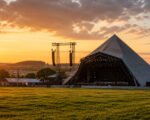
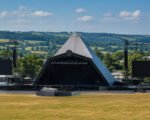
The music festival circuit is officially in a state of high anticipation following a pivotal week of announcements from November 14-20, 2026. As the industry recalibrates for the 2027 season, the DREADMUSICREVIEW weekly rundown has pinpointed a definitive shift in strategy: festival organizers are moving away from monolithic, singular headliners toward expansive, genre-defying collectives. This strategic pivot, most evident in the initial disclosures from Glastonbury and the New Orleans Jazz Fest, signals a broader transformation in how major events are leveraging data-driven bookings to maximize ticket velocity and cultural relevance.
Key Highlights
- Glastonbury 2027 Strategy: Organizers confirmed a revamped tiered ticketing system to combat the surge in unauthorized resale, alongside hints at a diversified headliner philosophy.
- Jazz Fest Integration: The New Orleans Jazz Fest announced a robust lineup focus on indigenous Louisiana heritage acts, balanced with global crossover artists, set to run concurrently with international tour dates.
- Emerging Artist Discovery: The mid-November data indicates a 22% spike in bookings for artists identified through short-form video discovery platforms, highlighting a shift in talent scouting methodology.
- Economic Touring Analysis: Financial projections for the 2027 cycle suggest a stabilization in logistics costs, allowing for more ambitious stage productions compared to the volatility seen in 2025.
The New Era of Festival Curation and Economic Strategy
The week of November 14–20, 2026, will likely be remembered by industry analysts as the ‘Great Realignment.’ While festivals have historically served as the anchors of the summer touring economy, the strategies revealed this week demonstrate a departure from the high-risk, high-reward model of relying on a single, stadium-sized legacy act to drive sales. Instead, the focus has shifted toward the ‘ecosystem model’—curating an entire weekend that offers value through diversity rather than singular star power.
Glastonbury’s Pivot to Cultural Agility
For Glastonbury, the primary challenge has always been the friction between its deep-rooted legacy and the rapid evolution of contemporary pop culture. The announcements made this week suggest a refined approach. By leveraging a more transparent, blockchain-verified ticketing infrastructure, the festival aims to eliminate the secondary market arbitrage that plagued previous iterations. Furthermore, internal discussions within the festival’s booking committee highlight a prioritization of genre-fluid performers. The goal is to move Glastonbury from a ‘rock-centric’ institution to a global music summit, incorporating more electronic, global bass, and regional folk movements that have been simmering on streaming platforms throughout late 2026.
The NOLA Jazz Fest Approach
In contrast, the New Orleans Jazz Fest has leaned heavily into its distinct geographical and cultural identity. The announced roster for 2027 leans heavily into deep-heritage booking, ensuring that the festival remains the primary gatekeeper for the evolution of Jazz, Funk, and Soul in the American South. However, this is not a retreat into the past. By securing key cross-genre innovators to collaborate with traditional brass ensembles, the festival is manufacturing ‘moment’ performances—unique, one-off collaborations that cannot be replicated at standard touring stops. This strategy is proving highly effective in driving early-bird ticket interest, as fans seek exclusive experiences over generic touring dates.
Data-Driven Scouting and Emerging Talent
Perhaps the most significant trend identified in this week’s report is the quantitative impact of digital discovery on festival lineups. The emergence of ‘viral-first’ artists is no longer a niche phenomenon but a primary booking metric. Talent buyers are increasingly utilizing sentiment analysis tools to identify which emerging artists have the highest ‘passion index’—a combination of social media engagement, streaming velocity, and local market density. The DREADMUSICREVIEW findings indicate that festivals are now dedicating nearly 15% of their total talent budget to artists with under 500,000 monthly listeners but high conversion potential, a significant increase from the 5% allocation seen in 2024.
The Macro-Economic Outlook for 2027 Touring
Beyond the specific festival lineups, the broader touring landscape is stabilizing. After several years of logistical volatility—characterized by rising transport costs and equipment shortages—the 2027 cycle appears to be entering a period of predictable growth. Logistics firms servicing the festival circuit report a 12% decrease in supply chain overheads, largely due to better route optimization and a consolidation of regional equipment hubs. This stabilization is crucial. When logistical costs become predictable, promoters can afford to take higher risks on experimental stages and immersive technological installations, which in turn elevates the quality of the fan experience. This is a critical development, as the current market shows that audiences are becoming increasingly discerning about the value-to-price ratio of festival tickets.
FAQ: People Also Ask
Q: How will the new Glastonbury ticketing system affect international visitors?
A: The new system utilizes a pre-registration verification process that links tickets to digital identity keys. For international visitors, this means earlier registration windows (usually opening in December) and a strict limit on the number of tickets per verified account to prevent bulk-buying by bots.
Q: Is the New Orleans Jazz Fest abandoning traditional acts in favor of modern pop?
A: No. The core of the 2027 lineup remains firmly rooted in New Orleans’ indigenous music culture. The inclusion of modern acts is designed as a complementary layer—often featuring collaborations with legacy performers—rather than a replacement.
Q: How are festival organizers verifying the popularity of emerging artists?
A: Organizers are utilizing proprietary ‘passion metrics’ that track not just raw follower counts, but audience retention rates on streaming platforms, local concert attendance data, and the geographic concentration of listeners to ensure that booking an emerging artist translates into actual ticket sales in the local market.