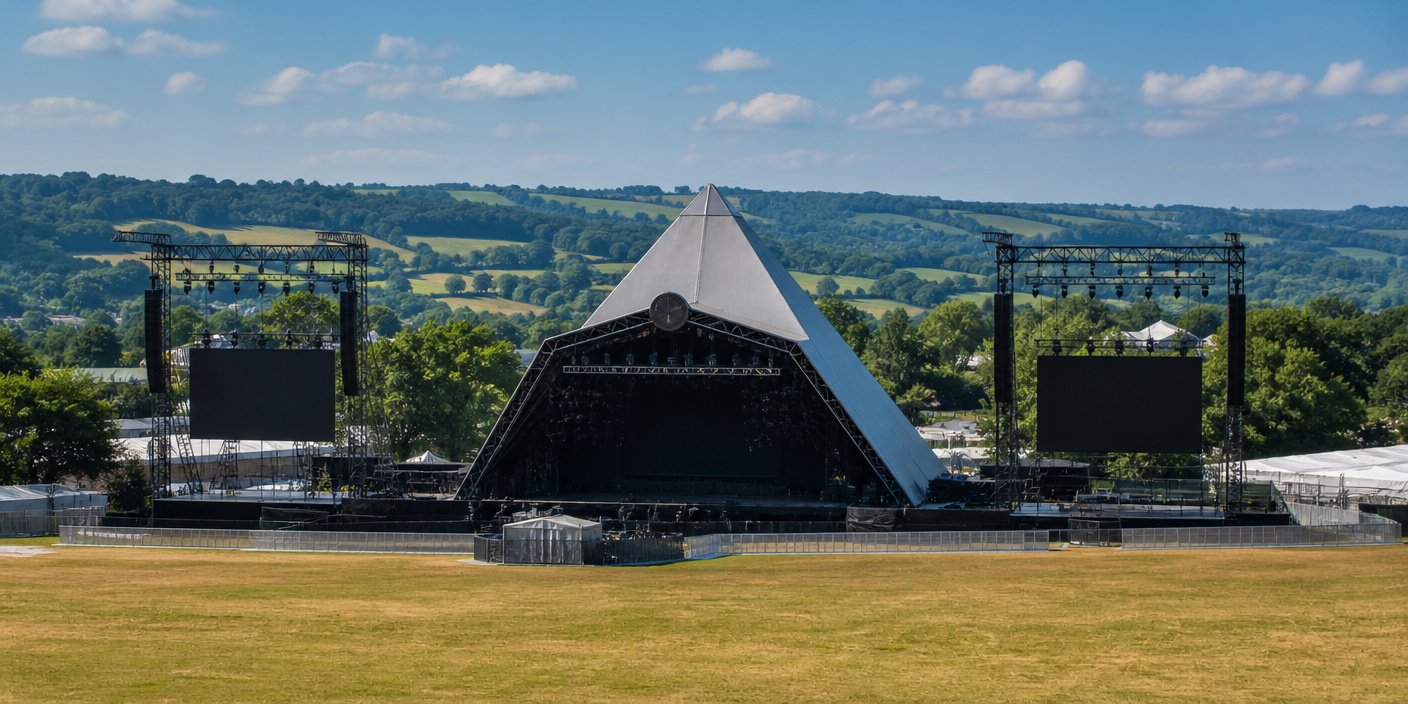
The 2027 Glastonbury Festival has officially signaled the end of the ‘legacy act’ era, announcing a main-stage lineup featuring Sam Fender, Harry Styles, and Billie Eilish. This unprecedented trio—all of whom represent the zenith of contemporary music influence—marks the youngest headliner configuration the festival has seen in the 21st century. By centering the bill around artists who define the current cultural zeitgeist rather than relying on decades-old chart-toppers, Glastonbury is making a definitive statement about the future of live music and the evolving demographics of its audience.
The Dawn of a New Era at Worthy Farm
The Glastonbury Festival, often regarded as the spiritual home of British music, has long balanced a delicate tension between honoring music history and capturing the pulse of the moment. For years, the festival has leaned heavily on ‘legacy acts’—legends like Sir Paul McCartney, Elton John, and The Rolling Stones—to headline the Pyramid Stage. While these choices provided the festival with gravitas and massive cross-generational appeal, the 2027 announcement represents a decisive pivot.
Shifting the Paradigm: From Heritage to Hype
By selecting Sam Fender, Harry Styles, and Billie Eilish, festival organizers are explicitly courting a younger demographic that consumes music differently. These artists are not just musicians; they are global, multi-platform entities with deeply engaged fan bases. Harry Styles, fresh off the back of his record-breaking ‘Love On Tour’ cycles, brings the kind of stadium-pop energy that can single-handedly sell out the site. Billie Eilish, an Oscar-winning, genre-defying icon, provides the necessary alternative edge that has long been a Glastonbury staple. Sam Fender, widely considered the premier voice of British rock in the current era, provides the homegrown authenticity that ties the festival back to its roots in the UK music scene.
The Trio: A Symphony of Modern Pop Culture
Each of these headliners represents a different facet of the modern music ecosystem. Billie Eilish brings artistic credibility and critical acclaim; she is an artist who has rewritten the rules of pop production. Harry Styles provides the high-gloss, massive-scale spectacle that defines 21st-century touring. Sam Fender brings the grit and lyrical introspection of the North, providing the ‘guitar-band’ quota that Glastonbury purists often demand, while ensuring that the music remains relevant to the 20-something festival-goer. This balance is calculated. It is not merely about finding big names; it is about finding the right names to keep the festival’s relevance intact for the next generation of ticket holders.
Economic and Demographic Impact
The economic implications of this announcement are immediate and significant. Glastonbury has always been a hot ticket, but this lineup virtually guarantees an unprecedented demand for early-bird registration and general sale tickets. By leaning into artists with extremely high social media engagement and ‘super-fan’ cultures, the festival is likely to see a shift in the average age of its attendee demographic. Marketing agencies and brand partners will be watching this festival closely, as it serves as a massive pilot project for the viability of youth-led festival lineups. If this experiment succeeds in ticket sales and site atmosphere, we can expect other major festivals globally to mirror this strategy, moving away from aging rock icons and toward the new guard of musical superstars.
What This Means for Festival Tradition
Does this mark the permanent end of the legacy act at Glastonbury? It is perhaps too early to say that the festival will never again invite a legend to close out the weekend. However, the ‘youngest headliner’ narrative is a clear sign that the ‘Eavis’ management style is evolving. The festival must remain a place where new history is made, not just where old history is celebrated. By giving the stage to the icons of today, Glastonbury is investing in its own longevity, ensuring that the next generation of fans feels that the festival is ‘theirs’ rather than a place to watch their parents’ favorite bands.