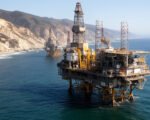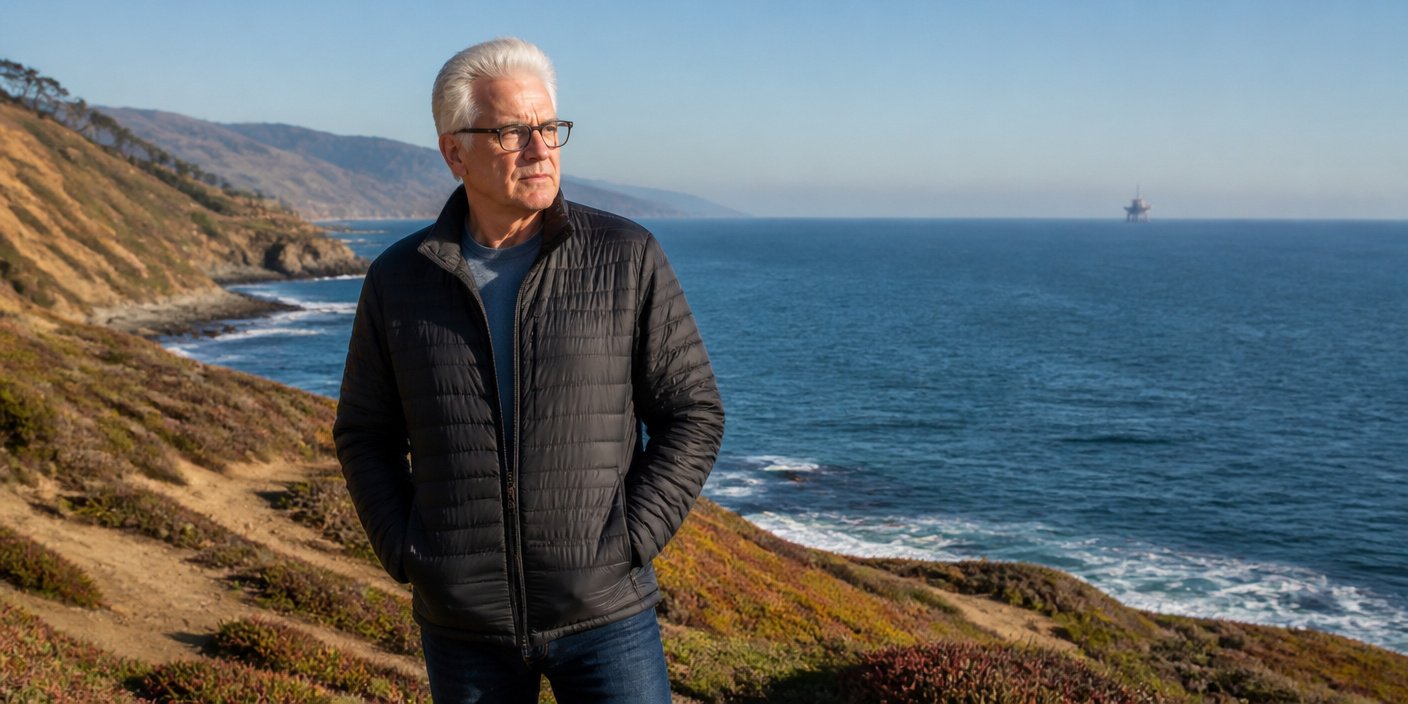
The California coastline, a region that serves as the bedrock of the state’s multi-billion dollar tourism economy and a symbol of its environmental legacy, is once again bracing for a federal clash. With the return of the Trump administration and a reinvigorated “energy dominance” agenda, new federal plans for offshore oil and gas leasing have placed the Pacific Outer Continental Shelf (OCS) back on the table. The shift in federal policy has drawn sharp rebukes from environmental organizations and long-time advocates, including Oceana board member Ted Danson, who warned this week that the state must act with urgency to protect its coastal integrity against industrial encroachment.
The Looming Federal Pivot
The fundamental tension lies in the shift of federal jurisdiction. While California has spent decades building a robust legal firewall against new offshore drilling—most notably through the California Coastal Commission and state-level prohibitions on infrastructure—the federal government retains primary authority over the OCS, which lies beyond the state’s three-mile water limit. The new federal strategy, expected to be facilitated through the Bureau of Ocean Energy Management (BOEM), aims to overhaul the current five-year leasing program to prioritize domestic oil and gas production.
For California, this creates a volatile legal and environmental paradox. The federal government’s move to auction off new leases off the Pacific coast would effectively test the limits of state control. Legal experts anticipate a surge of litigation, mirroring the strategies used during previous administration attempts to open federal waters to drilling. The crux of the upcoming battle will focus on the National Environmental Policy Act (NEPA) and the Outer Continental Shelf Lands Act (OCSLA), statutes that California has historically leveraged to block development by challenging the sufficiency of environmental impact statements.
The Shadow of 1969 and the Legacy of Spills
To understand the intensity of the current resistance, one must look to the historical scars left on the California coast. The 1969 Santa Barbara oil spill, which dumped an estimated 3 million gallons of crude into the channel, remains a defining trauma in California’s political consciousness. It was this catastrophe that effectively launched the modern environmental movement in the United States and solidified a bipartisan state-level consensus against further offshore extraction.
Advocates like Ted Danson have frequently pointed to this legacy as the primary argument against new leasing. The logic is simple: the risk of a spill is never zero. In the high-energy, fault-line-heavy environment of the Pacific, the risks of corrosion, pipeline failure, and natural disasters remain significant. Modern drilling technologies, while advanced, cannot mitigate the fundamental risk posed by aging infrastructure, as evidenced by the 2021 Orange County oil spill, which was linked to an existing pipeline off the coast of Huntington Beach.
Economic and Environmental Crosscurrents
The economic argument against new drilling is as potent as the environmental one. California’s coastal economy—comprised of tourism, commercial fishing, and recreational activities—generates approximately $45 billion annually in GDP for the state. Introducing offshore oil rigs would necessitate onshore support infrastructure, including processing facilities, pipeline terminals, and transport hubs. Local governments and business coalitions are already raising concerns that the industrialization of the coastline would cannibalize these high-value, sustainable sectors.
Furthermore, the state’s ambitious climate goals, specifically the transition to a carbon-neutral economy by 2045, are fundamentally at odds with the federal push to expand oil production. Every new lease granted today commits the state to decades of fossil fuel reliance, a timeline that contradicts the state’s aggressive renewable energy mandates. California’s strategy, therefore, is not merely to block specific projects, but to maintain the state’s trajectory toward a non-fossil future.
Legal Architecture of the Defense
Moving forward, the primary theater of operation will be the courtroom. California’s Attorney General’s office, working in conjunction with environmental legal groups, is prepared to challenge any BOEM leasing plan that fails to account for the specific environmental and seismic vulnerabilities of the Pacific OCS. The strategy is two-fold: First, to delay the federal leasing process through administrative challenges; second, to leverage the state’s control over onshore infrastructure permitting. Because offshore rigs require “landing points”—pipelines that must connect to the mainland—the state can effectively stifle offshore development by denying the necessary permits for the pipelines and onshore processing facilities required to bring the product to market.
This “choke-point” strategy has proven successful in the past. Even if the federal government clears the path for leasing in federal waters, the physical reality of moving oil from sea to shore remains subject to California’s regulatory authority. As the administration moves to finalize its energy agenda, the Pacific coast is positioned to remain one of the most litigious and protected regions in the nation, signaling a protracted confrontation that could last for years.