As the Western United States grapples with an intense fire season currently operating at National Preparedness Level 5 (PL5), the residual impacts of past federal wildfire management policy overhauls remain a central concern for state agencies, particularly in California. With the highest level of resource commitment across the nation, state and federal entities are finding themselves navigating a complex web of logistical adjustments and policy shifts that have fundamentally altered the landscape of fire suppression and forest management.
Key Highlights
- National Preparedness Level 5: The U.S. is currently at the highest alert status, signaling that major fire incidents have exhausted national resources, forcing states to rely heavily on inter-agency cooperation.
- Policy Overhaul Legacy: Changes initiated during the Trump administration, particularly regarding the National Environmental Policy Act (NEPA) and forest thinning protocols, continue to influence how federal agencies like the U.S. Forest Service (USFS) approach mitigation.
- Logistical Strains: California’s firefighting apparatus, led by Cal Fire, faces ongoing challenges in coordinating with federal agencies whose operational mandates for fuel reduction and logging have shifted over the last several years.
- The Balancing Act: State authorities are now managing a hybrid reality, combining aggressive suppression tactics with the long-term, federally-influenced forest management strategies that prioritize rapid environmental review and increased timber removal.
A Legacy of Fire: How Federal Policy Reshapes Western Resilience
The firefighting landscape of the American West is not static; it is a fluid environment dictated by climate conditions, drought cycles, and shifting federal directives. When the federal government alters the regulatory framework—as seen with the previous administration’s efforts to streamline forest management—the shockwaves are felt almost immediately on the front lines in California, Oregon, and Washington. The focus of these policies was to prioritize active forest management, reducing the bureaucratic hurdles for thinning and clearing underbrush, which proponents argued would mitigate the fuel load for catastrophic blazes.
However, for California, a state that bears the brunt of the West’s most destructive fire seasons, these changes necessitated a profound pivot. Cal Fire, the state’s primary fire protection agency, operates under a different mandate than federal counterparts like the Bureau of Land Management (BLM) or the USFS. While the federal government has moved toward broader, systematic forest thinning—often utilizing legislative tools to bypass lengthy environmental impact studies—California has had to synchronize its emergency response with these new federal operational tempos.
The Shift in Management Strategy
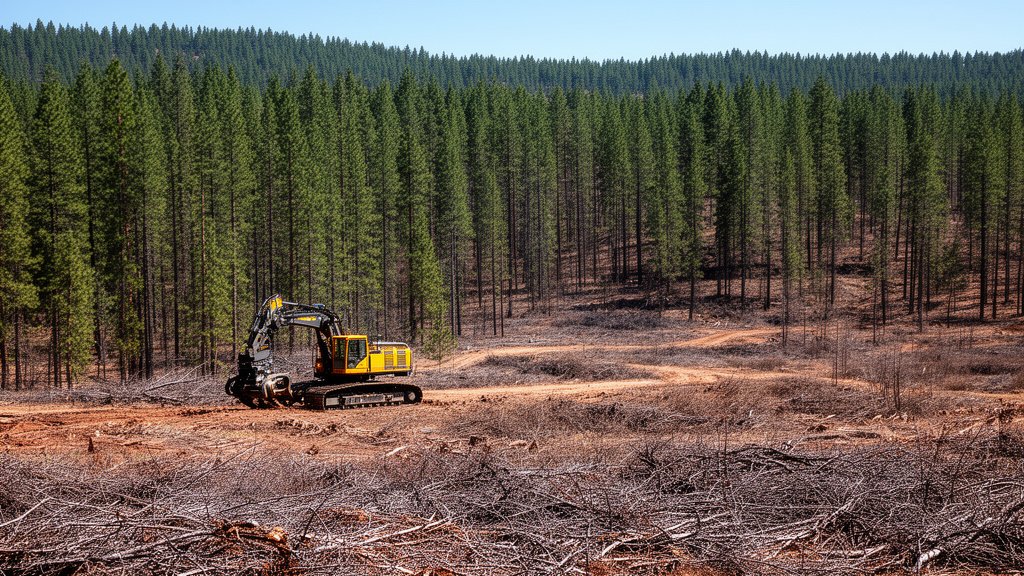
The core of the friction lies in the philosophy of forest stewardship. The previous federal administration pushed for an aggressive, production-oriented approach to forest management, viewing active logging and mechanical thinning as essential tools for fire prevention. By amending how the National Environmental Policy Act (NEPA) is applied to forestry projects, the federal government sought to reduce the “red tape” that historically delayed projects in high-risk zones.
For California, this created a dual-track reality. While the state is committed to its own fire prevention goals, it must also manage the federal land that encompasses a massive portion of its wildlands. When federal policy streamlines management on these lands, the resulting logistical footprint changes the way state firefighters and local contractors interact with the environment. It is no longer just about suppression; it is about how the land is “pre-treated” before the fire season even begins. This shift has forced California officials to act as a bridge between federal mandates and state-level safety requirements.
Inter-Agency Tensions and Coordination
Resource allocation during a PL5 event is a zero-sum game. When the U.S. Forest Service is preoccupied with implementing new, faster management directives, the coordination with state-level incident commanders can become strained. Logistics in fire management rely on standardized communication, shared databases for asset tracking, and mutual aid agreements. When federal and state philosophies on forest health—and by extension, fire risk—diverge, it can create operational friction.
California is bracing for this by doubling down on inter-agency task forces. The goal is to ensure that federal forest-thinning projects, which are now being pushed through at a higher velocity, do not compromise localized evacuation routes or complicate immediate tactical fire-fighting strategies. It is a delicate balance of trying to utilize federal resources effectively while preventing those same resources from being stretched too thin across conflicting mandates.
The Economic and Ecological Trade-off
A critical secondary angle is the economic impact of these policy shifts. By accelerating forest management, federal agencies have encouraged increased timber harvest levels. In many rural Western communities, this has been viewed as a dual victory: economic revitalization through the logging industry and a reduction in the “tinderbox” conditions of overgrown forests.
However, environmental advocates and state regulators remain wary. The concern is that by prioritizing speed over comprehensive ecological assessment, the long-term resilience of the forest could be undermined. For California, the economic gain of increased logging must be weighed against the potential loss of watershed integrity and biodiversity. The state is now in a position where it must monitor the ecological “footprint” of federal policy while simultaneously relying on those federal agencies for air support, heavy machinery, and personnel when the next major fire inevitably strikes.
Moving Toward a New Reality
Looking ahead, the West is bracing for a “new normal.” Fire seasons are starting earlier, lasting longer, and producing more intense, fast-moving conflagrations. The policy overhauls of the past few years have set the stage for how the country manages these threats, but the ultimate test remains the effectiveness of the collaboration between the federal government and state agencies. As PL5 alerts become more frequent, the logistical success of the next season will depend less on the politics of the past and more on the ability of state agencies like Cal Fire to maintain operational continuity in a landscape redefined by federal change.
FAQ: People Also Ask
Q: What is National Preparedness Level 5 (PL5)?
A: PL5 is the highest level of wildland fire activity in the United States. It indicates that national resources are fully committed, and the fire situation is so severe that it may require national mobilization of additional firefighting assets, including international support.
Q: How did the Trump administration change forest management?
A: The administration prioritized the streamlining of the National Environmental Policy Act (NEPA) to accelerate forest thinning, logging, and vegetation removal on federal lands, aiming to reduce fuel loads that contribute to large-scale wildfires.
Q: How does this affect California?
A: California often operates in a hybrid environment where state fire management must intersect with federal forest policies. Changes to federal land management force California agencies to adjust their tactical and logistical planning to match the changing landscape of federal territories.
Q: Is forest thinning actually effective at stopping fires?
A: Scientific consensus suggests that while mechanical thinning and controlled burns can reduce fire intensity in specific areas, the effectiveness depends on the scale, location, and intensity of the fire. It is one tool among many in a broader fire management strategy.