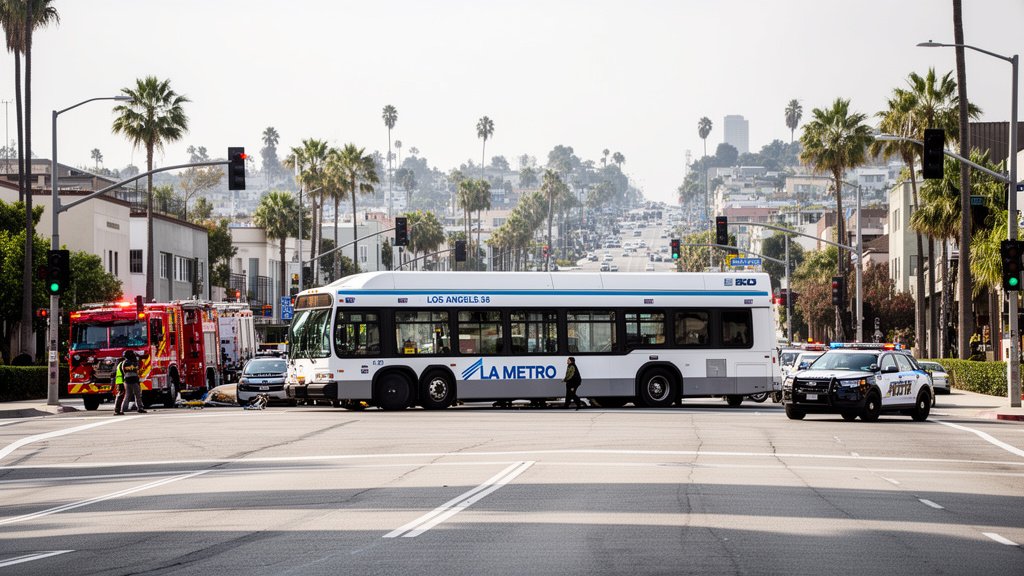
The intersection of public safety, vehicular responsibility, and criminal justice has collided in Los Angeles, as authorities confirm that a local woman has been charged with murder following a high-impact transit collision. The incident, which involved an LA Metro bus, has sent shockwaves through the community, not only for the severity of the charges but also for the timing of the event, which unfolded amidst a backdrop of emergency operations that included a distinct and deadly helicopter crash nearby.
The Legal Landscape: Understanding the Murder Charges
The decision by the Los Angeles County District Attorney’s office to pursue murder charges in a vehicular-related case is a significant escalation from typical vehicular manslaughter counts. Legal analysts suggest this charge implies that prosecutors believe the defendant acted with ‘implied malice’—a legal standard where a defendant engages in an act with a high probability of death and shows a conscious disregard for human life. In the context of the LA Metro bus crash, this suggests that investigators uncovered evidence beyond simple negligence, pointing toward reckless behavior that directly resulted in the loss of life.
This case highlights the increasing scrutiny on traffic-related fatalities in Southern California. As the legal proceedings move forward, the prosecution will be tasked with demonstrating that the defendant’s actions were not merely a lapse in judgment but a deliberate indifference to the safety of passengers and pedestrians. The defense, conversely, will likely focus on the chaotic environmental factors present at the time of the incident, potentially arguing that the broader emergency landscape contributed to a sequence of events that the driver could not have reasonably mitigated.
The Intersection of Emergency Events
What makes this incident particularly complex is the operational environment of the Los Angeles emergency response network on the day of the crash. Reports confirm that the bus collision occurred in close temporal proximity to a deadly helicopter plunge in the same general area. For first responders, this created a ‘force multiplier’ effect on emergency resources. Police, fire, and paramedic units were stretched thin, managing the logistics of the transit crash while simultaneously coordinating rescue and recovery efforts for the helicopter incident.
This convergence of tragedies serves as a sobering reminder of the volatility of urban infrastructure. While the two incidents—the bus crash and the helicopter plunge—were distinct events, their simultaneous occurrence underscored the logistical challenges faced by the Los Angeles Police Department (LAPD) and the Los Angeles Fire Department (LAFD). The burden on the trauma centers and the chaotic nature of the immediate aftermath added layers of difficulty to the initial investigation, which has now culminated in these severe legal charges.
Public Transit and Urban Safety
The involvement of an LA Metro bus in such a high-profile criminal case brings renewed attention to the safety protocols of Los Angeles’ public transportation system. The Metro system, which serves as the backbone of mobility for millions of residents, has been under pressure to improve security and safety measures. While the specific details of this crash are being litigated, public advocacy groups are already using the incident to demand a comprehensive review of driver vetting, vehicle maintenance, and the integration of advanced collision-avoidance technology across the fleet.
Secondary Angles: Examining the Broader Impact
1. The Evolution of ‘Implied Malice’ in Traffic Law: This case is likely to become a focal point in the debate over how prosecutors define ‘reckless’ versus ‘murderous’ intent on the road. As technology provides more data on driver behavior—speed, braking patterns, and signaling—the bar for proving state of mind in vehicular cases is shifting. We can expect this trial to set a precedent for how future cases involving public transit are adjudicated.
2. The Strain on First Responders: The fact that a major bus crash coincided with a helicopter incident highlights the fragility of emergency management in a sprawling metropolis like Los Angeles. Urban planners may look at this incident as a case study for improving inter-agency coordination. When multiple mass-casualty events occur simultaneously, the existing triage protocols are pushed to their breaking point. Future infrastructure planning may require more redundant emergency lanes and decentralized trauma facilities to prevent the bottlenecking of rescue services.
3. Psychological Impact on Transit Ridership: Public trust in public transit is often influenced by high-profile safety incidents. Following the news of these charges, transit agencies often face a temporary dip in ridership as commuters process the safety implications. Rebuilding that trust requires transparency. The outcome of this trial will be scrutinized not just by the legal community, but by a public that relies on the system daily for their commute to work, education, and essential services.
In conclusion, while the specific criminal charges are centered on the actions of one individual, the ramifications of this incident ripple far beyond the courtroom. It forces a critical look at the mechanisms of justice, the standards of public transit safety, and the limits of the city’s emergency response infrastructure. As the legal process unfolds, the community remains waiting for definitive answers regarding the events that led to this tragedy.