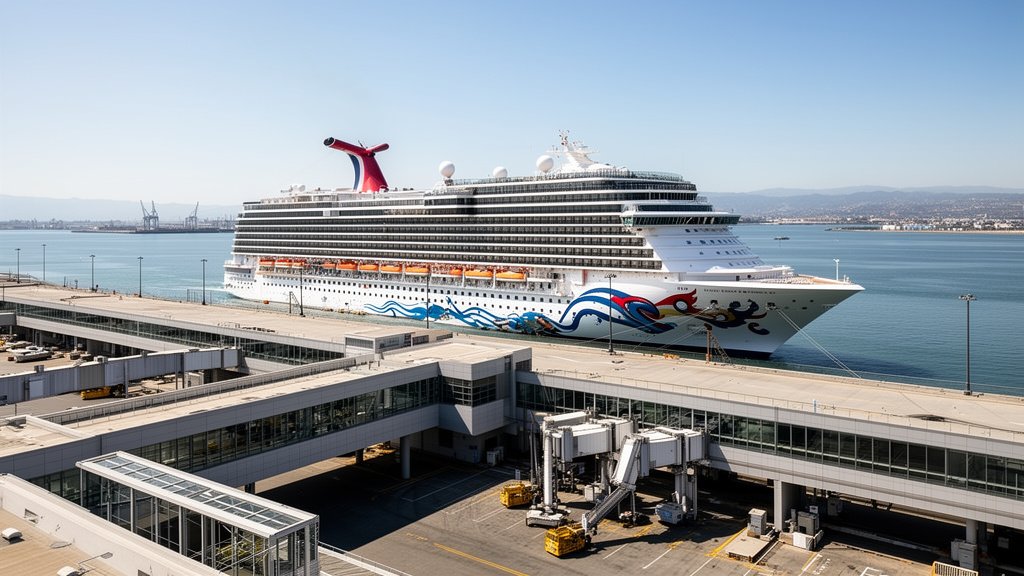
The cruise industry is undergoing a fundamental shift, moving away from the traditional, two-week transoceanic voyage toward the agility and accessibility of the ‘micro-cruise.’ Carnival Cruise Line has signaled its total commitment to this trend by officially opening bookings for an expansive, long-term schedule departing from the Port of Long Beach, California, extending through 2029. This strategic maneuver is not merely a scheduling update; it is a direct response to a fundamental change in American travel behavior, where consumers are increasingly prioritizing frequency and spontaneity over duration and distance.
Key Highlights
- Long-Term Commitment: Carnival Cruise Line has extended its deployment schedule from the Port of Long Beach, CA, with itineraries available for booking through 2029.
- Micro-Cruise Focus: The expanded schedule is built around 3- to 8-day sailing durations, specifically targeting the surging ‘micro-vacation’ market.
- Economic Impact: The expansion solidifies Long Beach as a primary hub for short-haul travel, significantly impacting Southern California’s tourism and maritime economy.
- Strategic Shift: This move mirrors broader industry trends where major cruise lines are prioritizing home-port accessibility to cater to travelers who prefer shorter, frequent getaways over long, complex travel logistics.
The New Era of Maritime Travel: Analyzing the Micro-Cruise Boom
The traditional cruise vacation was once defined by its length—a week or more at sea, often involving flights to distant embarkation points. However, the current travel landscape is defined by efficiency. For the modern professional or family, the ‘micro-cruise’ offers a unique value proposition: the ability to experience a high-end, all-inclusive resort-style vacation without the logistical burden of a full-week-plus commitment. Carnival’s decision to lock in their Long Beach schedule through 2029 indicates a data-driven belief that this isn’t just a post-pandemic blip, but a permanent recalibration of leisure time.
Why the ‘Micro-Cruise’ Trend Resonates
The appeal of the 3-to-5-day sailing is multifaceted. First, there is the ‘weekend warrior’ accessibility. By home-porting ships in major metropolitan hubs like Long Beach, Carnival drastically reduces the barrier to entry—specifically, the cost and stress of air travel. A traveler from Los Angeles, San Diego, or even Las Vegas can reach the pier with minimal effort, allowing for a genuine ‘vacation’ experience in a timeframe that fits into a standard work schedule.
From a sociological perspective, this trend correlates with the rise of the ‘digital nomad’ and hybrid work models. People are no longer tethered to a traditional office schedule, allowing them to take shorter, more frequent trips throughout the year. The micro-cruise provides the perfect infrastructure for this—onboard high-speed internet, premium dining, and structured entertainment packed into a manageable 72-to-96-hour window. Carnival’s expansion directly feeds this need for modular, flexible vacationing.
Operational Complexity and The 2029 Long-Term View
Scheduling cruise ship deployments is a gargantuan task involving maritime law, environmental regulations, port labor agreements, and complex global logistics. By securing slots at the Port of Long Beach through 2029, Carnival is making a massive capital investment. This requires absolute certainty that demand will remain high.
Industry analysts point to this decision as a vote of confidence in the Southern California cruise market. Long Beach has undergone significant infrastructure improvements to accommodate larger, more modern vessels, and the throughput efficiency of the terminal is now among the best in the country. By anchoring their 3-to-8-day itineraries here, Carnival is essentially creating a ‘revolving door’ of vacationers, maximizing ship utilization rates. A ship that stays at sea for 14 days is limited by the number of passengers willing to commit two weeks. A ship that operates on a 3-to-4-day cycle essentially triples its potential customer base, allowing for higher passenger turnover and more robust revenue generation through onboard spending.
Economic Ripples in Southern California
The economic implications for the Southern California region cannot be overstated. Each time a cruise ship docks at Long Beach, it injects significant capital into the local economy—from harbor pilot fees and tugboat services to fuel bunkering and fresh food provisioning. Furthermore, thousands of passengers embark and disembark every few days, driving demand for local hotels, ride-sharing services, and pre- and post-cruise tourism.
For the Port of Long Beach, having a consistent, multi-year partner like Carnival ensures steady revenue streams. This stability allows the port to forecast growth and reinvest in terminal improvements, which in turn benefits other maritime sectors. It creates a virtuous cycle of investment where the cruise industry acts as a primary economic anchor, shielding the port from the volatility of global shipping trends.
The Future of Short-Haul Maritime Tourism
Looking toward 2029, the industry will likely see even more competition in this space. Other lines are watching Carnival’s strategy closely. If this ‘West Coast expansion’ model proves successful, we can expect to see a ‘port race’ where cruise operators vie for limited docking slots in other major US cities to replicate this micro-cruise ecosystem.
However, Carnival has the ‘first-mover’ advantage in the Long Beach region. They have established the brand, the logistical partnerships, and the consumer habit. For the traveler, this means that the 3-day weekend trip to Mexico or the 5-day coastal hop is no longer an anomaly; it is a staple of American leisure. Whether you are a solo traveler looking for a quick reset or a family planning an affordable getaway, the next five years will be the golden age of the West Coast micro-cruise.
FAQ: People Also Ask
What exactly defines a ‘micro-cruise’?
A micro-cruise is generally defined as a sailing lasting between 2 and 5 nights. These voyages are designed to provide a condensed, high-value vacation experience with minimal travel time, often catering to first-time cruisers or busy professionals seeking quick getaways.
Why is the Port of Long Beach so important for Carnival?
Long Beach serves as a major gateway to the Pacific. Its proximity to the massive Los Angeles metropolitan area provides a ready-made market of millions of potential passengers who can drive to the port, eliminating the need for expensive airfare. This significantly lowers the total cost of the vacation for the consumer.
Can I book a cruise for 2029 now?
Yes. Carnival has officially opened their booking engine for these long-range itineraries. While inventory for specific peak dates (like holidays) may fluctuate, the broader schedule is now visible to the public, allowing for long-term trip planning.
Are these cruises suitable for families?
Yes. While micro-cruises are popular with couples and solo travelers due to their length, they are designed on the same ships as longer voyages. These ships are fully equipped with family-friendly amenities, including kids’ clubs, water slides, and expansive dining options, making them a popular choice for short family vacations.