The National Interagency Fire Center (NIFC) has officially elevated the Northwest Area to National Preparedness Level 5 (PL 5), signaling the highest tier of wildfire emergency in the United States. This designation confirms that all available resources are fully committed, and regional competition for firefighting assets has reached a critical threshold. With 51 active fire incidents currently raging across the region, officials report that over 2.5 million acres have already been consumed, creating a logistical and environmental emergency that necessitates a massive, coordinated response involving federal, state, military, and international partners.
Key Highlights
- Emergency Escalation: The Northwest Area has reached National Preparedness Level 5, representing the maximum intensity of wildfire emergency response.
- Scale of Devastation: Operations are currently managing 51 active fire incidents which have scorched more than 2.5 million acres of land.
- Total Resource Mobilization: All federal, state, and military firefighting assets are fully committed, triggering the request for international reinforcement.
- International Integration: Firefighting crews from Australia and New Zealand have been deployed to augment domestic efforts in this high-priority sector.
The Escalation to National Preparedness Level 5
Understanding the Severity of PL 5
In the standardized language of the National Interagency Fire Center, Preparedness Level 5 is not merely a label; it is an operational status that indicates the total depletion of regional resources. When an area hits PL 5, it means that the capacity to suppress fires using local, state, and standard federal resources has been exceeded. The situation requires the mobilization of interagency teams, and every available engine, aircraft, and hotshot crew is already deployed. At this level, fire managers must prioritize assets based on life-safety and infrastructure protection rather than full suppression, as the sheer volume of active incidents—51 in the current Northwest crisis—outstrips the available tactical capability.
The Logistical Challenge of 51 Concurrent Incidents
The complexity of managing 51 simultaneous fires cannot be overstated. Each incident requires a dedicated Incident Management Team (IMT), communication infrastructure, and aerial support. Coordinating these resources across rugged, remote, and often inaccessible Northwest terrain creates a “bottleneck effect.” Supplies, equipment maintenance, and personnel rotation become the primary drivers of the operational strategy. The current situation demands rigorous scheduling to prevent crew burnout, a critical factor during the height of the fire season. With 2.5 million acres at stake, the focus has shifted toward high-priority containment lines that protect communities and critical national infrastructure.
Global Solidarity: International Support Deployment
A defining feature of this year’s response is the integration of international support. Bringing in crews from Australia and New Zealand is a testament to the magnitude of the Northwest fire situation. These international personnel are experts in high-intensity fire environments and bring not only manpower but also specialized tactical knowledge that complements American wildfire strategies. The integration of these foreign crews into existing federal command structures requires seamless interoperability, ensuring that despite the distance from home, these firefighters can immediately integrate into the front-line operations against the fires.
Military and Federal Asset Integration
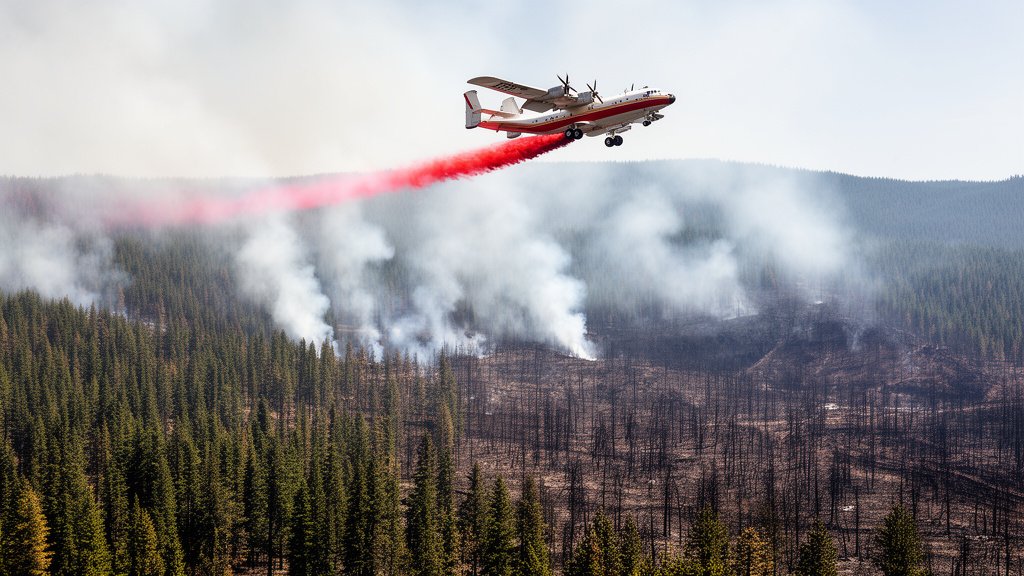
Beyond the traditional interagency crews, the involvement of the Department of Defense (DoD) is critical to maintaining the pace of operations. Military assets—ranging from large air tankers for fire retardant drops to specialized transport for equipment and personnel—provide a surge capacity that civilian agencies cannot replicate. By utilizing military bases as staging grounds, the NIFC maximizes the efficiency of the supply chain. This federal support is the backbone of the containment strategy, allowing state agencies to focus on ground-level tactical execution while the federal machinery manages the broader logistics of the 2.5 million-acre burn area.
Future Implications and Operational Outlook
As the Northwest remains under this critical designation, long-term projections suggest a continued reliance on augmented support. Experts are monitoring weather patterns closely, as shifting winds and temperatures could exacerbate existing incidents or trigger new fire starts. The sustainability of this response is a primary concern for the NIFC leadership. While international crews provide a significant boost, the physical toll on the landscape and the firefighting infrastructure will likely necessitate a multi-phase recovery process long after the final flames are extinguished. The focus remains on strategic resource allocation to ensure that even at PL 5, the highest-risk areas receive the immediate attention required to minimize further loss of life and property.
FAQ: People Also Ask
What does National Preparedness Level 5 mean for civilians in the region?
PL 5 is an internal logistical designation, but it signals to civilians that fire resources are at their absolute limit. Residents should adhere strictly to evacuation orders and fire restrictions, as emergency services are stretched thin and may not be able to respond to non-emergency fire-related incidents as quickly as usual.
Why were Australia and New Zealand brought in to help?
International assistance is requested when the U.S. domestic supply of specialized firefighting personnel, particularly hotshot crews and incident management specialists, is fully exhausted. These partners are highly trained in similar environmental conditions and can fill essential roles immediately.
How are the 2.5 million acres affected being managed?
With 51 fires active, management is highly selective. Fire suppression teams focus on protecting homes, critical infrastructure, and high-value natural resources. Not every fire can be fully suppressed immediately; in some cases, defensive lines are constructed to steer fire growth away from populated areas.
How long will the Northwest remain at Level 5?
The status will remain at Level 5 until conditions improve, the number of active fires decreases significantly, and the demand for resources falls back within the capacity of regional and national supply chains. There is no set timeline, as it depends entirely on weather and fire behavior.