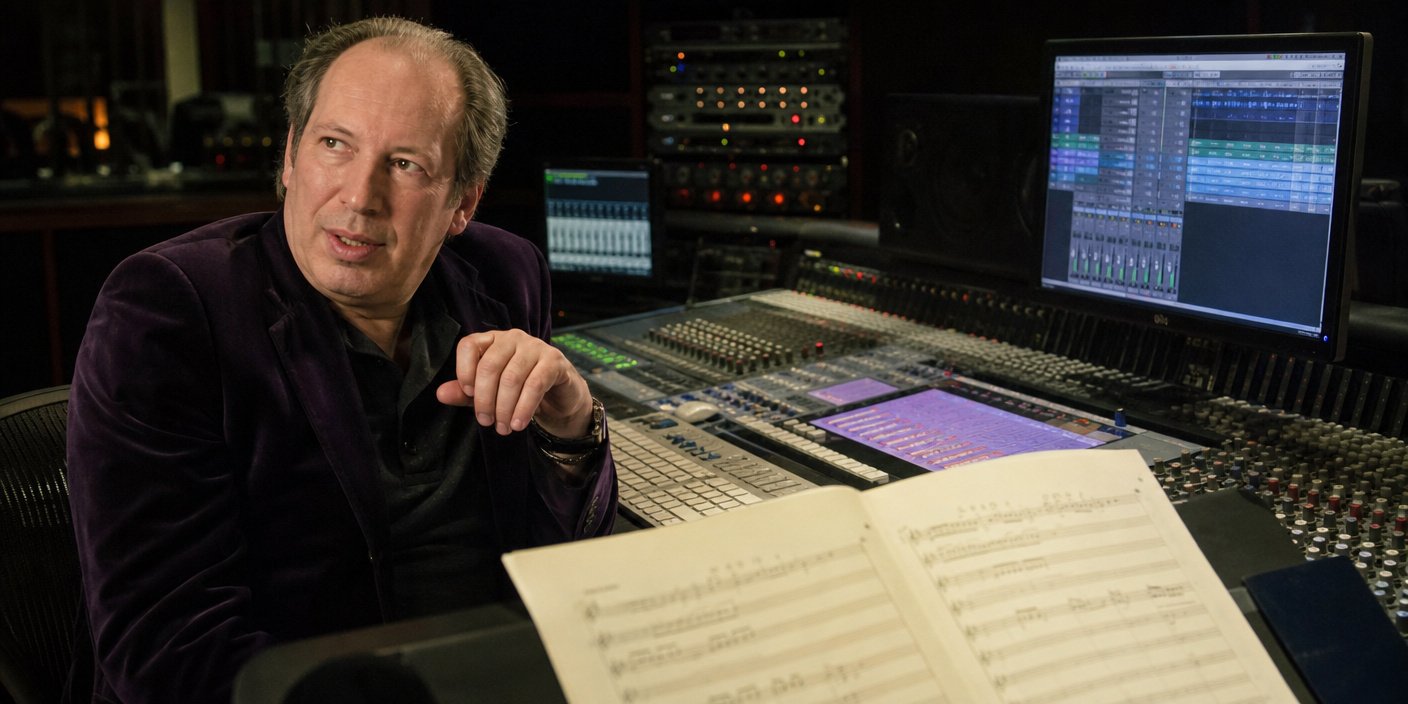
As the fall television season hits its mid-October stride, the auditory landscape is undergoing a significant transformation. Television music is no longer merely background support; it has become a defining character in the narrative fabric of the medium. The weekly roundup for October 4, 2026, highlights a distinct shift toward hyper-specific, auteur-driven soundscapes. This week, we explore the sonic identities of three highly anticipated premieres: ‘Private Eyes West Coast’, the supernatural reimagining of ‘Carrie’, and the experimental anthology ‘Small Prophets’. Each production demonstrates a clear commitment to elevating the viewing experience through bespoke, high-fidelity orchestration, reflecting a broader industry trend where premium audio is now a primary driver of viewer retention.
Key Highlights:
- Sarah Hiltner delivers a masterclass in modern neo-noir composition for ‘Private Eyes West Coast’, utilizing a 40-piece brass section to evoke the hazy, dangerous atmosphere of the Pacific coast.
- The highly anticipated ‘Carrie’ adaptation features a rare collaborative score from Hans Zimmer and Junkie XL, marking a pivot toward industrial, percussion-heavy horror motifs.
- ‘Small Prophets’ breaks traditional sci-fi molds with an avant-garde electronic score by Hildur Guðnadóttir, prioritizing textural dread over melodic cues.
- Streaming giants are increasingly allocating upwards of 15% of production budgets to original scoring, signaling a return to thematic composition over licensed needle-drops.
The New Era of Television Audio Architecture
The 2026 television landscape is characterized by a “prestige-first” approach to sound. For years, the industry leaned heavily on curated, licensed pop soundtracks to drive engagement—a tactic effective for social media virality but often lacking in emotional depth. This week’s releases signal a correction. Showrunners and studios are once again looking to established composers to build auditory worlds that are as complex as the visual cinematography. This shift is not accidental; it is a calculated response to a saturated market where audiences are seeking immersive, cinematic experiences from the comfort of their homes.
Noir Reimagined: The Sound of ‘Private Eyes West Coast’
‘Private Eyes West Coast’ presents perhaps the most distinct musical identity of the current season. Composer Sarah Hiltner, known for her ability to fuse classical structures with contemporary jazz sensibilities, has crafted a score that feels like a character itself. By focusing on a brass-heavy, muted trumpet-led ensemble, Hiltner captures the quintessential “West Coast Noir” vibe.
Unlike traditional detective dramas that rely on predictable minor-key strings, Hiltner’s approach in ‘Private Eyes’ leans into the discomfort of the setting. The music is characterized by jagged, syncopated rhythms that mimic the unpredictable nature of the show’s protagonist. This is a critical departure from the homogenized orchestral sounds common in streaming detective procedurals. The production team reportedly spent weeks perfecting the recording acoustics, aiming for a “roomy” sound that places the viewer directly inside the smoky, dimly lit clubs where much of the series takes place.
The Zimmer-Junkie Powerhouse: Scoring ‘Carrie’
The adaptation of ‘Carrie’ has been surrounded by industry chatter regarding its budget and casting, but the true coup lies in its score. Having Hans Zimmer and Junkie XL collaborate on a single series is an anomaly, and the result is a sonic juggernaut. Their approach to ‘Carrie’ moves away from the traditional, orchestral terror tropes associated with Stephen King adaptations. Instead, they have opted for a “percussive assault” style.
The score uses repurposed industrial machinery sounds layered beneath deep, throbbing synthesizer basslines. It creates a sense of inevitable, encroaching dread. This collaboration represents the pinnacle of the current “mega-composer” era, where top-tier talent is increasingly willing to tackle television projects that offer longer narrative arcs for their music to evolve. For audiences, this means a score that grows in intensity alongside the character of Carrie, effectively mirroring her psychological deterioration and ultimate explosive power.
‘Small Prophets’ and the Avant-Garde Pivot
Finally, the anthology series ‘Small Prophets’ offers the most daring departure from convention. Hiring Hildur Guðnadóttir was a bold statement of intent for the producers. The show, which deals with speculative sci-fi and the fragility of human memory, required a score that felt alien yet deeply grounded in human emotion. Guðnadóttir has delivered a masterstroke of minimalism.
There are long sequences in ‘Small Prophets’ where the score consists entirely of manipulated cello feedback and field recordings of wind and city traffic, pitch-shifted to create an unsettling, omnipresent hum. It is a score that demands active listening. By eschewing melody for texture, the show forces the audience into an uncomfortable, inquisitive headspace—perfect for an anthology series designed to question reality. This is a significant indicator of how science fiction television is maturing, prioritizing world-building through sound over standard action-sequence orchestral swells.
Economic and Creative Implications for the Future
The move toward bespoke, auteur-led scores carries significant weight for the industry. As we look toward the remainder of 2026 and into 2027, the reliance on pre-existing music libraries is likely to decline. Why? Because prestige audio acts as a brand identifier. When a series like ‘Small Prophets’ creates a distinct sonic fingerprint, it becomes instantly recognizable, bolstering the show’s IP value. Furthermore, the economic impact is clear: original scoring provides a unique asset that studios own outright, rather than having to negotiate expensive, time-limited licensing deals for pop tracks. We are witnessing the maturation of the television score from a utility to a central pillar of production, a trend that promises to make the next few years of television some of the most aurally interesting in history.
FAQ: People Also Ask
Q: Why are big-name composers moving to television projects like ‘Carrie’ instead of focusing solely on film?
A: The shift is largely due to the evolving nature of streaming. Television now offers longer narrative formats (8-10 episodes) which allow composers to develop themes and motifs over 8+ hours rather than the 2 hours provided by a standard feature film. It’s a more satisfying creative sandbox for many.
Q: How does the score for ‘Small Prophets’ differ from traditional sci-fi scores?
A: Traditional sci-fi scores often rely on “space” tropes—synth arpeggios, grandiose brass, and “epic” orchestral movements. ‘Small Prophets’ rejects these in favor of minimalist, textural, and avant-garde soundscapes that emphasize psychological tension over spectacle.
Q: Will the ‘Private Eyes West Coast’ soundtrack be released separately?
A: Yes, the label confirmed the release of the complete OST, including the unedited sessions from the brass sessions, is slated for late October, mirroring the release schedule of other high-production-value streaming content.
Q: Does the use of these A-list composers significantly impact the production budget?
A: While the upfront talent fee for someone like Hans Zimmer is substantial, studios view it as a marketing investment. An acclaimed score can drive critical acclaim, award nominations, and series “stickiness,” providing a high ROI compared to expensive visual effects or star-studded cast salaries.