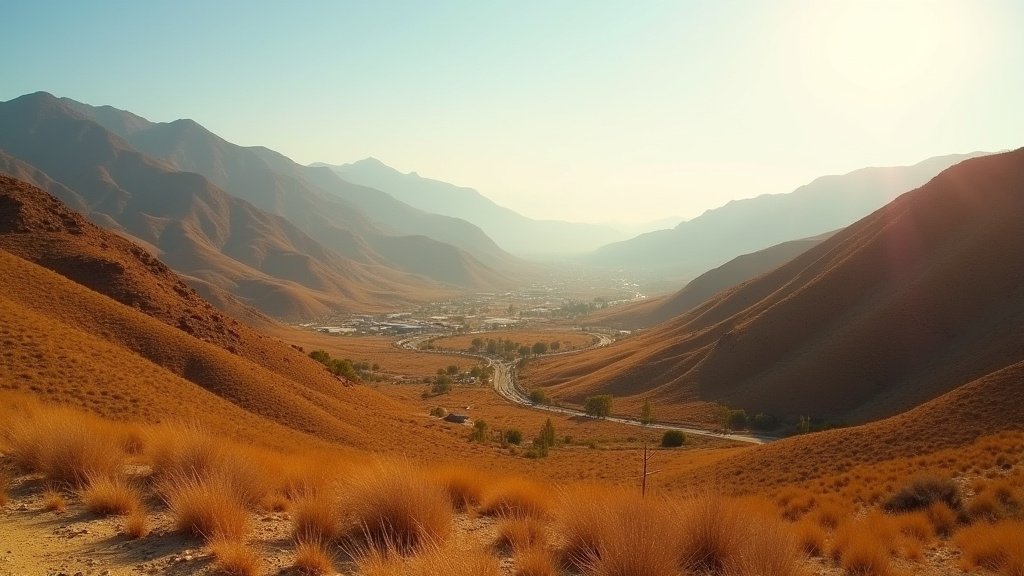
A relentless, late-season heatwave is currently stifling Southern California, pushing temperatures toward triple digits and prompting urgent health warnings as the region faces one of its most critical fire-weather episodes of the year. The National Weather Service (NWS) has issued comprehensive heat advisories across multiple counties, signaling that this is not merely a brief spike in mercury, but a prolonged weather event causing significant stress on residents, local infrastructure, and emergency response teams.
Key Highlights
- Record Temperatures: Inland areas, including the Inland Empire and parts of the San Fernando Valley, are seeing temperatures ranging from 95°F to 105°F, significantly higher than seasonal averages for this time of year.
- Fire Risk: The combination of low humidity, dry vegetation, and seasonal Santa Ana winds has elevated the risk of wildfires to ‘extreme’ levels, prompting Red Flag Warnings across high-risk zones.
- Public Health Warnings: Officials are advising residents to limit outdoor activities between 10 a.m. and 6 p.m. and to utilize cooling centers as heat-related illnesses become a major concern.
- Grid Management: Energy providers, including Southern California Edison (SCE) and the California Independent System Operator (CAISO), are closely monitoring power grid load to prevent outages during peak usage hours.
Understanding the Southern California Heatwave and Regional Impact
The current atmospheric setup is characterized by a strong ridge of high pressure, often referred to as a ‘heat dome,’ which has parked itself over the American Southwest. This high-pressure system suppresses vertical air motion, trapping heat at the surface and preventing the typical cooling maritime influence from the Pacific Ocean from reaching deep inland. For Southern California, this creates a stagnant, stifling environment that persists day and night, offering little reprieve for vulnerable populations.
Meteorological Drivers and Persistence
While late-season heat events in Southern California are not unprecedented, the duration and intensity of this particular weather pattern have meteorologists concerned. The NWS notes that the combination of high-pressure aloft and weak onshore flow is exacerbating the heat. Unlike summer events, this late-season surge interacts with a landscape that has spent months drying out under the summer sun, making the environment primed for combustion. The ‘heat dome’ phenomenon is effectively blocking cooler air from moving inland, causing temperatures in cities such as Riverside, San Bernardino, and even coastal suburbs to climb well into the mid-90s.
The Intersection of Heat and Fire Danger
The most immediate threat to life and property during this heatwave is the elevated fire risk. The NWS has issued Red Flag Warnings across large swaths of the region, specifically targeting mountain and foothill communities where Santa Ana winds are expected to gust. These winds are ‘offshore’ winds, meaning they blow from the desert toward the coast, bringing hot, dry air that strips moisture from the landscape. With humidity levels projected to drop into the single digits, any ignition source—whether a discarded cigarette, vehicle exhaust, or downed power line—could result in rapid fire spread. Cal Fire has prepositioned additional resources to respond immediately to any brush fires reported during this critical window.
Infrastructure and Economic Strain
Beyond the direct physical threat, the Southern California heatwave places immense pressure on the regional infrastructure. Southern California Edison and other local utilities are urging customers to practice conservation measures, particularly during the late afternoon window of 4 p.m. to 9 p.m., when solar energy production wanes but air conditioning demand remains at its peak.
From an economic perspective, the impact is multifaceted. The construction industry faces mandatory work stoppages to ensure worker safety, and the tourism sector in the high deserts and inland valleys has seen a decline in activity due to the hazardous conditions. Furthermore, public transit agencies are reporting increased delays as tracks expand under heat-related stress, adding an unexpected layer of difficulty for daily commuters.
Future Predictions and Climate Shifting
Climatologists are increasingly pointing toward a trend of ‘season creep,’ where summer-like weather extends further into the autumn months. This trend complicates long-term planning for Southern California. The historic reliance on ‘cool-down’ periods in September and October to mitigate fire risk is becoming less reliable. Future city planning, from building codes that mandate better insulation to the redesign of urban cooling centers, will need to account for this extended heat season as a permanent feature of the regional climate rather than an anomaly.
FAQ: People Also Ask
1. Why is this heatwave considered ‘late-season’?
In Southern California, meteorological autumn typically brings cooler temperatures and the start of the rainy season. A heatwave occurring in October is termed ‘late-season’ because it deviates from the typical cooling trend, often occurring after residents have already begun transitioning to fall routines, which can leave them less prepared for extreme heat.
2. What should I do if I am under a Red Flag Warning?
If you are in a Red Flag Warning zone, exercise extreme caution. Avoid any activities that could cause a spark, such as mowing dry grass or using power tools outdoors. Have an emergency ‘go-bag’ packed, ensure your mobile devices are charged, and have a clear evacuation plan ready in case local authorities issue orders.
3. How can I stay safe during this extreme heat?
Prioritize hydration, even if you do not feel thirsty. Keep your home cool by closing blinds or curtains during the hottest part of the day. If you do not have access to air conditioning, identify your nearest city-run cooling center or spend time in public, climate-controlled spaces like libraries or malls. Check on elderly neighbors and those with pre-existing health conditions who are at higher risk for heat-related illness.