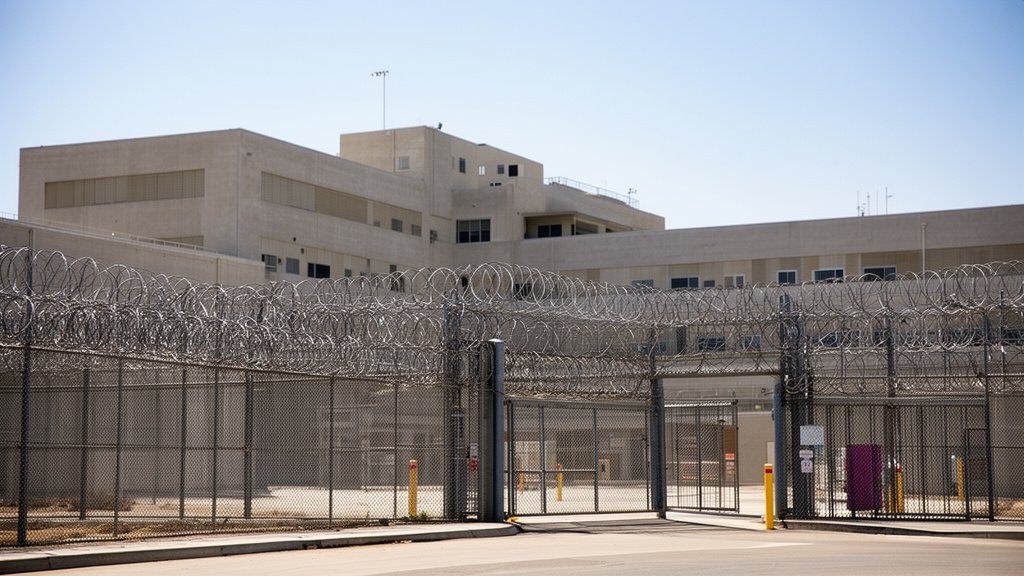
The Central California Women’s Facility (CCWF) in Chowchilla, the largest female correctional institution in the United States, is currently at the center of a deepening scandal. Recent investigative findings have laid bare a disturbing reality: inmates at the facility are not only enduring rampant sexual misconduct at the hands of staff but are facing systemic, calculated retaliation when they attempt to report their experiences. The harrowing testimony, often punctuated by the chilling directive to “put them down with gas,” suggests that chemical agents—specifically pepper spray and other deterrents—are being weaponized as tools of intimidation rather than necessary security measures.
Key Highlights
- Systemic Misconduct: Investigation reveals a pervasive culture of sexual abuse by correctional officers at the Central California Women’s Facility.
- Weaponization of Force: Staff are alleged to have used chemical agents to suppress, intimidate, and silence inmates who report or resist misconduct.
- Retaliation Cycle: Inmates face severe administrative and physical retaliation for filing grievances, creating a “culture of silence” within the facility.
- Institutional Failure: The California Department of Corrections and Rehabilitation (CDCR) faces mounting pressure to overhaul its oversight mechanisms following reports of inadequate investigation into internal complaints.
The Anatomy of Institutional Failure at CCWF
The allegations emerging from the Central California Women’s Facility (CCWF) are not merely isolated incidents of “bad actors”; they represent a systemic breakdown in institutional oversight. By analyzing the intersection of correctional policy and the lived experiences of incarcerated women, it becomes clear that the facility has failed to provide a safe environment, despite mandates to the contrary. The use of the term “gas” in the context of the recent investigations refers specifically to the deployment of Oleoresin Capsicum (OC) spray, which witnesses report is used disproportionately against women who assert their rights or object to mistreatment.
The Weaponization of Chemical Agents
The specific phrase “put them down with gas” serves as a grim metaphor for the administrative culture at CCWF. Under the guise of maintaining order, correctional officers are accused of utilizing chemical agents to neutralize dissent. This creates an environment of terror where the threat of physical pain is used to preemptively stifle complaints. Investigative accounts suggest that this force is not used in response to violent outbursts but as a punitive measure against those who attempt to navigate the prison’s grievance system. This tactical misuse of force fundamentally violates the ethical guidelines of the California Department of Corrections and Rehabilitation (CDCR), yet the practice has allegedly persisted with minimal internal accountability.
The Cycle of Retaliation and Silence
A critical finding in recent reports is the sophisticated nature of the retaliation. It is rarely as simple as a direct physical threat. Instead, it manifests through the stripping of privileges, denial of medical care, movement restrictions, and the manipulation of parole readiness. This creates a “fear trap.” Inmates recognize that filing a formal grievance—a fundamental right guaranteed by the Eighth Amendment—could lead to a degradation of their daily quality of life or, in worse cases, physical retaliation. The Prison Law Office and other advocacy groups have long contended that the CCWF grievance process is not merely ineffective, but actively dangerous for the people it is meant to serve.
The Role of Oversight and Accountability
The CDCR has maintained that it investigates all claims of misconduct. However, the data suggests a disconnect between policy and practice. The Office of the Inspector General has periodically flagged issues related to the efficacy of the CDCR’s internal investigations. When oversight is toothless, impunity thrives. The current situation demands an independent, external review of the CCWF, potentially involving state-level legislative intervention to dismantle the protective wall that currently allows misconduct to fester. The economic impact of this crisis is also significant; lawsuits resulting from these violations frequently result in multi-million dollar settlements, placing a direct financial burden on California taxpayers, rather than on the institutions that failed to uphold the law.
Secondary Angles: Examining the Broader Impact
To understand the magnitude of this crisis, we must look beyond the immediate reports. First, the long-term psychological toll on incarcerated women is profound; exposure to ongoing abuse during incarceration significantly diminishes the success rate of reintegration and rehabilitation. Second, the legal landscape is shifting. As evidence mounts, the standard of “qualified immunity” for correctional officers is being tested in courts, potentially setting a precedent that could change how prison misconduct cases are adjudicated nationwide. Finally, the role of technology is evolving. With the rise of body-worn cameras, the demand for transparency is higher than ever, yet critics argue that these recordings are often selectively reviewed or “misplaced” by administration to obscure the truth.
FAQ: People Also Ask
Q: What is the primary purpose of the Central California Women’s Facility (CCWF)?
A: Located in Chowchilla, California, CCWF is the largest female correctional institution in the U.S. Its stated mission is to provide secure housing and rehabilitation programs for incarcerated women, though recent investigations have questioned its effectiveness in ensuring prisoner safety.
Q: Are these allegations of sexual abuse and retaliation legally proven?
A: The investigation into CCWF involves ongoing legal and administrative reviews. While many testimonies from formerly incarcerated women and surveillance footage point to systematic patterns, the legal process is currently unfolding through civil litigation and oversight inquiries involving the Prison Law Office and the Office of the Inspector General.
Q: How does the grievance process at CCWF currently function?
A: While a formal grievance process exists to allow inmates to report misconduct, advocates argue it is severely compromised. Inmates report that filing a grievance often triggers retaliation rather than resolution, leading to a climate of fear that suppresses reporting.
Q: What steps is the California Department of Corrections and Rehabilitation (CDCR) taking?
A: The CDCR asserts it has zero tolerance for staff misconduct and claims to investigate all complaints. However, persistent reports suggest that existing internal mechanisms are insufficient, leading to growing public and legislative demands for independent, third-party oversight of the facility.