Los Angeles is currently undergoing a structural transformation in its gastronomic landscape, one that shifts away from experimental fusion and back toward the rigorous, foundational excellence that defined the early 21st-century boom. As the Fall 2026 season takes hold, the city’s dining map is being redrawn by a combination of returning icons and high-concept debuts that prioritize hyper-locality and refined, traditional techniques. This season’s openings are not merely about aesthetics; they represent a significant investment in the infrastructure of the hospitality industry, targeting the city’s most competitive culinary corridors.
Key Highlights
- The Return of an Icon: Birdie G’s reclaims its status as a foundational pillar of the LA dining scene with its highly anticipated relaunch.
- Silverton’s New Frontier: Nancy Silverton’s Spacca Tutto introduces a radical, minimalist approach to the California-Italian canon.
- Geographic Diversification: While DTLA remains strong, new major openings have signaled a shift toward high-end residential pockets in West Hollywood and Venice.
- The Economic Shift: This season marks a departure from “tasting menu only” models, with a return to premium à la carte service designed to accommodate changing consumer spending habits.
The New Guard: Reclaiming the LA Culinary Crown
The narrative of Los Angeles dining for Fall 2026 is defined by two distinct archetypes: the restoration of institutional favorites and the birth of avant-garde concepts that challenge our perception of fine dining. At the forefront of this movement is the return of Birdie G’s. For a city that often obsesses over the ‘new,’ the return of an established favorite serves as a litmus test for market stability. It provides a reliable anchor for the local dining ecosystem, proving that culinary longevity is as valued as rapid innovation. By reintegrating into the competitive landscape, Birdie G’s is effectively stabilizing the market, signaling to investors and chefs alike that the Los Angeles palate is currently yearning for a return to comfort-driven excellence.
The Silverton Effect: Spacca Tutto’s Ambition
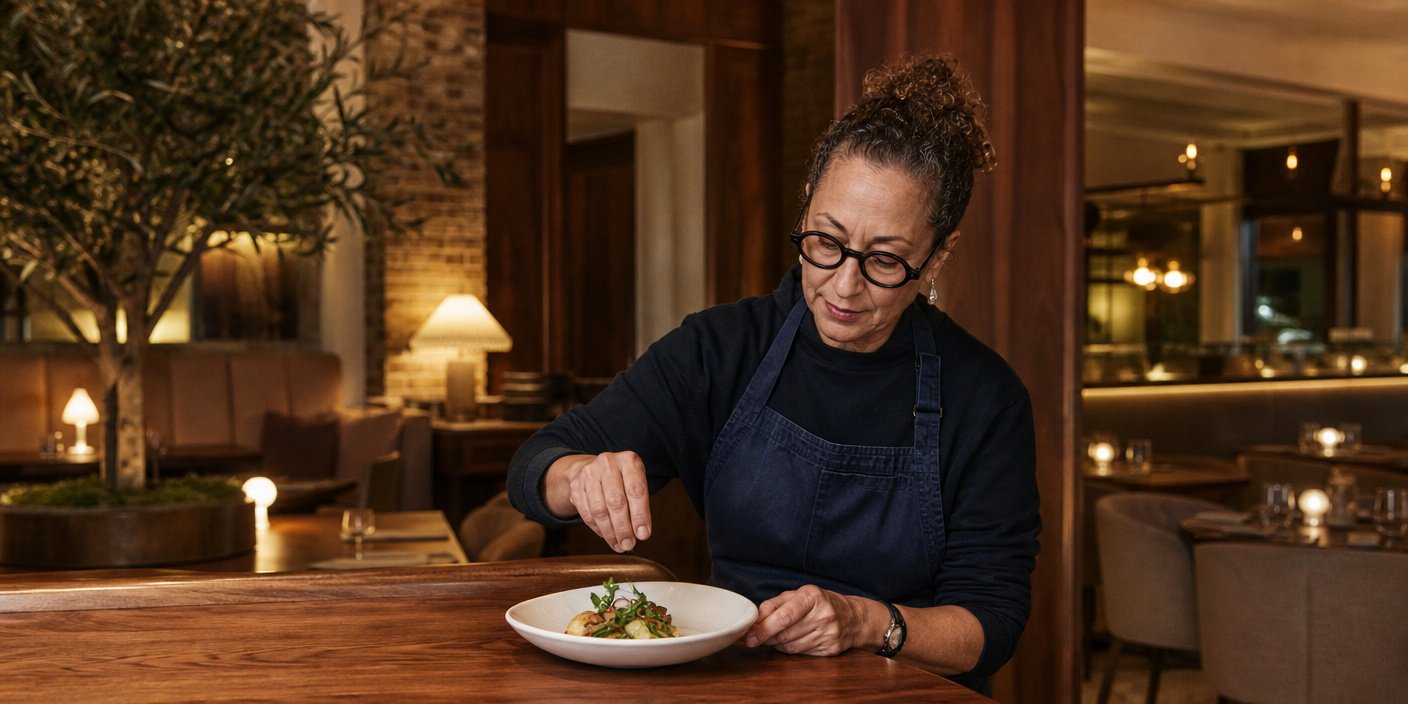
Perhaps the most scrutinized opening of the season is Nancy Silverton’s Spacca Tutto. Silverton, whose influence on Los Angeles cuisine is arguably unmatched, has conceptualized this venue not just as a restaurant, but as a deliberate breakdown of the classic restaurant architecture. The name itself—Spacca Tutto, Italian for ‘break everything’—suggests a culinary deconstruction. Early reports indicate a menu that focuses on singular ingredients sourced from hyper-local purveyors, stripped of the heavy embellishments that have plagued high-end dining for the past several years. By focusing on the structural integrity of the food rather than the artifice of plating, Silverton is setting a new KPI for fine dining in Southern California. The challenge for Spacca Tutto will be balancing this intense minimalist philosophy with the high-service expectations of the current elite demographic, but initial booking data suggests that the gamble is already paying dividends.
Secondary Angles: The Forces Driving Change
1. The Hyper-Local Supply Chain Evolution
The most prominent secondary trend this fall is the shift in sourcing. Restaurants are no longer merely listing farms on the menu; they are engaging in vertical integration. Several of the top seven openings are partnering directly with growers to lock in harvests months in advance, a reaction to the volatile produce pricing of 2025. This ensures menu consistency and acts as a hedge against inflation.
2. The Architecture of Anti-Dining
Moving away from the sterile, industrial chic of the early 2020s, the design trend for this season is ‘tactile comfort.’ We are seeing restaurants move toward darker woods, soft lighting, and heavy textiles. The goal is to create environments that feel residential rather than performative. This is a direct response to the ‘Zoom-fatigue’ era, where the restaurant space is being repositioned as a sanctuary.
3. The Demographic Pivot
While DTLA has long held the title for the most ‘happening’ new spots, the 2026 Fall data reveals a distinct shift toward neighborhood-centric fine dining. Investors are now backing projects in walkable, high-density residential areas like West Hollywood and Venice, recognizing that the modern diner is increasingly averse to the logistics of cross-town travel. This decentralization of the LA food scene is perhaps the most significant structural change of the year.
Assessing the 2026 Landscape
As we look at the broader list of openings, from the refined seafood concepts in Venice to the modern steakhouses in West Hollywood, one theme is consistent: intentionality. The era of the ‘Instagram-first’ restaurant—built for aesthetics rather than quality—is effectively over. In its place, we are seeing a return to rigorous service standards, deeper wine programs, and a commitment to hospitality that treats the guest’s experience as a holistic journey. The restaurants on this list were chosen not just for their menu items, but for their ability to define this shift.
FAQ: People Also Ask
Q: What is the primary difference between the restaurants opening in Fall 2026 versus previous years?
A: The 2026 class of restaurants is characterized by a shift toward ‘foundational dining.’ There is a noticeable move away from excessive theatricality and toward high-quality, sustainable ingredient sourcing and traditional service models.
Q: Are these restaurants accessible for walk-ins?
A: Most of the seven key locations highlighted are currently operating on a reservation-only basis. Given the high demand for names like Birdie G’s and Spacca Tutto, booking weeks in advance is highly recommended.
Q: How are rising costs affecting these new venues?
A: We are seeing a shift toward a ‘hybrid menu’ strategy. Many restaurants are offering a mix of accessible small plates alongside premium, high-margin items to accommodate a broader range of diners, helping them maintain occupancy rates during mid-week shifts.
Q: Is the ‘neighborhood dining’ trend here to stay?
A: Industry analysis suggests this is a long-term shift. With shifts in hybrid work models, consumers are prioritizing dining options within a 15-minute radius of their homes, fueling the development of high-end concepts in residential zones.