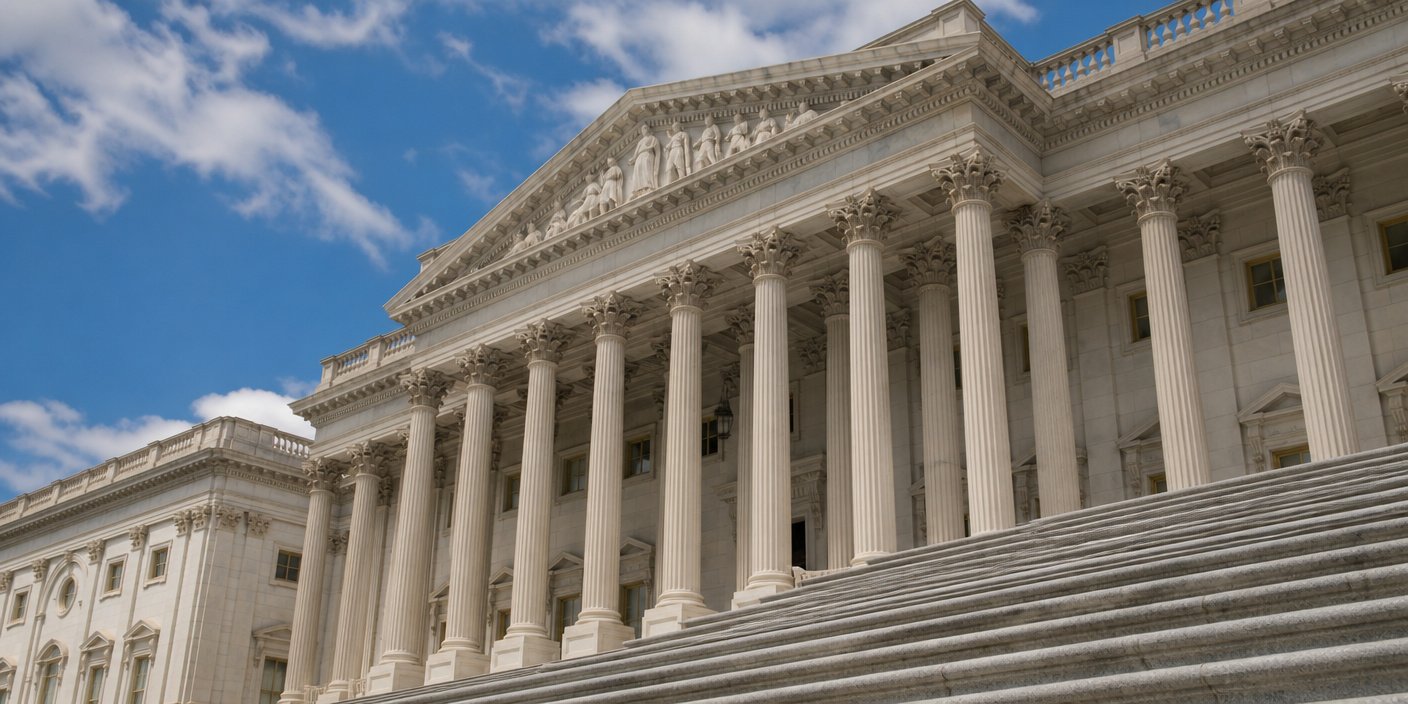
The House Ethics Committee has formally launched an investigation into Representative Jimmy Gomez (D-CA) regarding allegations of sexual misconduct, marking a significant political investigation within the West Coast delegation. The commencement of this inquiry initiates a rigorous procedural phase for the House of Representatives, as the bipartisan committee begins its deep dive into the veracity of the claims brought against the sitting congressman.
Key Highlights
- Formal Inquiry Launched: The House Ethics Committee has officially opened an investigation into Representative Jimmy Gomez concerning allegations of sexual misconduct.
- Procedural Gravity: The move triggers a comprehensive internal review process mandated by the House Rules, aiming to determine if any violations of the Code of Official Conduct occurred.
- Legislative Impact: The investigation places immediate scrutiny on the California delegation, raising questions about political ramifications and internal congressional governance.
The Procedural Mechanics of the House Ethics Probe
The initiation of a formal investigation by the House Committee on Ethics is a deliberate and structured process, distinct from media speculation or preliminary external reports. Under the guidelines established by the House of Representatives, the Ethics Committee—which functions as the only standing committee of the House with an equal number of members from both parties—possesses the jurisdiction to investigate potential violations of the Code of Official Conduct and related laws, rules, regulations, and other standards of conduct.
The Investigative Mandate
When allegations of this nature are presented, the Committee on Ethics follows a strict protocol. This often begins with a review by the Office of Congressional Ethics (OCE), an independent, non-partisan entity that conducts preliminary reviews. If the OCE finds “substantial reason to believe” that a violation occurred, the matter is referred to the Committee on Ethics. The committee’s current inquiry into Representative Gomez signifies that the preliminary phase has concluded and that the committee has determined the gravity of the allegations necessitates a full-scale, formal investigation. This does not imply a finding of guilt; rather, it indicates the committee’s mandate to adjudicate whether the member’s conduct meets the high standards required of congressional representatives.
The Role of the Committee
Operating under Article I, Section 5 of the U.S. Constitution, which grants each chamber of Congress the power to determine the rules of its proceedings and punish its members for disorderly behavior, the Ethics Committee serves as the primary enforcement arm for internal discipline. Its members are charged with a solemn duty to balance the presumption of innocence with the integrity of the institution. Throughout the course of this investigation, the committee will likely subpoena relevant documentation, interview witnesses, and examine evidentiary materials related to the reported misconduct. The bipartisan nature of the committee is designed to insulate the investigation from partisan political pressures, ensuring that the focus remains strictly on ethics and adherence to law.
Historical Context and Institutional Integrity
It is imperative to view this development through the lens of recent congressional history. Over the past decade, the House of Representatives has increasingly tightened its policies regarding workplace conduct, bolstered by the Congressional Accountability Act of 1995 and subsequent reforms. The scrutiny facing Representative Gomez arrives at a time when the House has shown a diminished tolerance for misconduct, responding to public demand for heightened accountability among elected officials.
The Impact on the California Delegation
For the West Coast delegation, and specifically California’s 34th Congressional District, this investigation introduces a period of profound uncertainty. Representative Gomez, who has maintained a consistent legislative record, now faces a challenge that extends beyond the floor of the House. Political analysts observe that investigations of this nature often freeze legislative agendas and force constituents to reassess their representation. The logistical ripple effects include potential shifts in committee assignments and the necessity for the member to dedicate significant bandwidth to legal and ethics defense strategies.
The Burden of Proof and Due Process
While the public nature of these allegations creates immediate headlines, the internal House process emphasizes confidentiality during the discovery phase. This ensures that the rights of all involved parties are protected until a final report is issued. The committee is not an extension of the Department of Justice; it is a legislative body tasked with internal governance. Consequently, the potential outcomes range from dismissal of the complaint, if the allegations are found to be unsubstantiated, to severe sanctions, including public reprimand, censure, or, in extreme cases, a recommendation for expulsion from the House of Representatives.
Future Implications for Congressional Governance
The investigation into Representative Gomez will likely serve as a litmus test for the committee’s current resolve. How the committee handles the timeline, transparency, and final adjudication of this matter will be scrutinized by both political opponents and civil society organizations advocating for institutional reform. As the inquiry progresses, the focus will remain on the committee’s ability to conduct an impartial investigation that upholds the principles of the House while addressing the serious nature of the allegations brought forward.
FAQ: People Also Ask
Does an investigation by the House Ethics Committee imply guilt?
No. The opening of an investigation is a procedural step taken by the committee to gather facts and determine if there has been a breach of the Code of Official Conduct. It should not be interpreted as an admission or proof of guilt.
What are the possible consequences if misconduct is found?
Depending on the severity of the findings, the committee may recommend actions such as a letter of reproval, public reprimand, censure, or the most severe penalty, expulsion from the House of Representatives.
How long do these investigations typically take?
There is no fixed statutory timeline for these investigations. They are complex, sensitive, and thorough, often spanning several months to ensure due process and the gathering of all necessary evidence.
Can Representative Gomez continue to serve during the investigation?
Yes. Under House rules, a member under investigation retains all their rights, privileges, and duties as a representative unless the House takes a specific vote to strip them of committee assignments or other responsibilities.