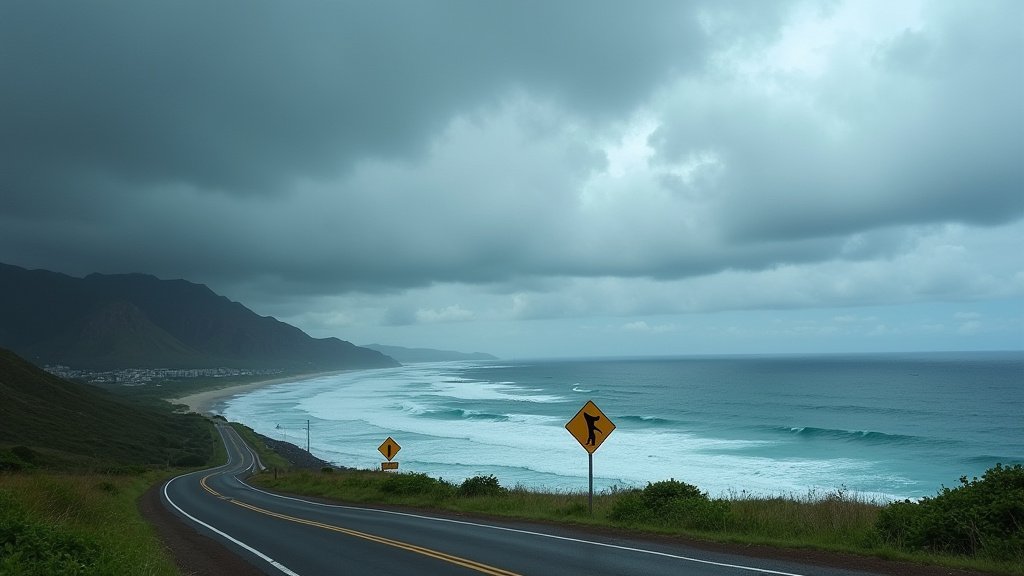
Hawaii stands on high alert today as state officials grapple with the rapid intensification of Tropical Storm Lala. Governor Josh Green has signed a comprehensive emergency proclamation, a move designed to unlock crucial state resources and streamline the emergency response efforts as the storm tracks perilously close to the archipelago. With the Central Pacific Hurricane Center warning of imminent strengthening, the state is bracing for hurricane-force conditions expected to hammer the Big Island within hours, with Maui County anticipated to feel the brunt of tropical storm conditions by nightfall.
Key Highlights
- Emergency Authorization: Governor Josh Green has officially signed an emergency proclamation, activating the state’s emergency management powers to mobilize resources and funding rapidly.
- Storm Trajectory: Tropical Storm Lala is currently undergoing intensification and is forecast to reach hurricane strength before making its closest approach to the Big Island.
- Impact Timing: Hurricane-force conditions are projected for the Big Island throughout today, while Maui County is under an active warning for tropical storm conditions beginning tonight.
- Public Safety Mandate: The Hawaii Emergency Management Agency (HI-EMA) has urged residents to finalize emergency kits and secure properties, emphasizing that the time for preparation is rapidly closing.
The Urgent Mobilization and State Response
The signing of the emergency proclamation by Governor Josh Green is more than a administrative formality; it is a critical defensive measure in the face of a mounting climate threat. This executive order provides the legal framework necessary for the Hawaii Emergency Management Agency (HI-EMA) to deploy the Hawaii National Guard, expedite state procurement of emergency supplies, and bypass standard bureaucratic delays in infrastructure support.
Meteorological Trajectory of Tropical Storm Lala
The Central Pacific Hurricane Center has been tracking the storm’s path with increasing concern. As the system moves through the warm waters of the Pacific, it has begun to tap into favorable atmospheric conditions that are expected to fuel its transformation into a hurricane. Meteorological models indicate that the storm’s wind field is expanding, which complicates the warning area. While the Big Island is the primary concern for immediate hurricane-force wind damage, the outer bands of the storm are creating hazardous swell and flash flood risks that extend well beyond the immediate eye of the storm.
Strategic Mobilization and Community Readiness
In direct response to the Governor’s proclamation, emergency shelters on the Big Island have been placed on standby, and utility providers have adjusted their staffing levels to respond to anticipated power grid failures. The strategic mobilization of state assets is focused on two primary objectives: maintaining critical supply chains to the islands and ensuring that emergency medical services remain operational despite the potentially life-threatening weather conditions. Residents in low-lying coastal areas have been advised to monitor local alerts, as storm surge combined with the astronomical tide could exacerbate localized flooding.
Economic and Infrastructure Vulnerabilities
Beyond the immediate physical danger to life and property, Tropical Storm Lala poses a significant test for Hawaii’s economic resilience. The tourism sector, which forms the bedrock of the state’s economy, is highly susceptible to severe weather disruptions. Flight cancellations, hotel evacuations, and the temporary closure of visitor attractions create a cascading economic effect that extends far beyond the duration of the storm. Business leaders are closely watching the trajectory, cognizant that even a localized hurricane event can lead to millions of dollars in lost revenue and immediate supply chain shocks. The emergency proclamation allows the state to support businesses through potential recovery phases, acknowledging the fragile nature of an island economy that relies on imported goods and consistent transit links.
Historical Context of Central Pacific Hurricanes
While hurricanes in the Central Pacific are less frequent than in the Atlantic or the Caribbean, history serves as a sobering reminder of the islands’ vulnerability. The geographic isolation of Hawaii means the state cannot rely on rapid mutual aid from neighboring states; it must be entirely self-sufficient in the first 72 hours of a disaster. The state’s disaster preparedness framework has evolved significantly over the last two decades, particularly in response to lessons learned from past systems that threatened the islands. Each new event, such as the current threat from Lala, serves as an stress test for the hardened infrastructure programs implemented by the state to protect against storm-induced power grid collapse and communications blackouts.
Future-Proofing: The Shift in Emergency Management
A critical element of modern emergency management in Hawaii is the integration of advanced, hyper-local alerting systems. Post-wildfire initiatives have drastically increased the state’s ability to disseminate information to specific districts, bypassing traditional bottlenecks. As Tropical Storm Lala approaches, this new layer of technological preparedness is being put to the test. Officials are utilizing a multi-channel communication strategy, combining siren systems, wireless emergency alerts (WEA), and direct cooperation with telecommunications providers to ensure that even remote areas of the Big Island and Maui receive real-time updates. This systematic approach to risk communication is the hallmark of the current administration’s shift toward a more proactive, rather than reactive, disaster management posture.
FAQ: People Also Ask
Q: What does an emergency proclamation actually do for the average resident?
A: The proclamation allows the Governor to suspend certain laws that might impede emergency relief, authorizes the use of state funds for disaster response, and facilitates the deployment of the National Guard to assist in evacuations and critical infrastructure repairs.
Q: When should Big Island and Maui residents expect the worst conditions?
A: Hurricane conditions are forecast for the Big Island throughout today. Maui County should begin experiencing tropical storm conditions by tonight, though residents should remain vigilant as storm paths can shift unexpectedly.
Q: Is it safe to travel to Hawaii during this storm?
A: Official guidance strongly discourages non-essential travel to affected areas. Travelers should check with their airlines and accommodation providers immediately, as widespread flight cancellations and service disruptions are highly probable.