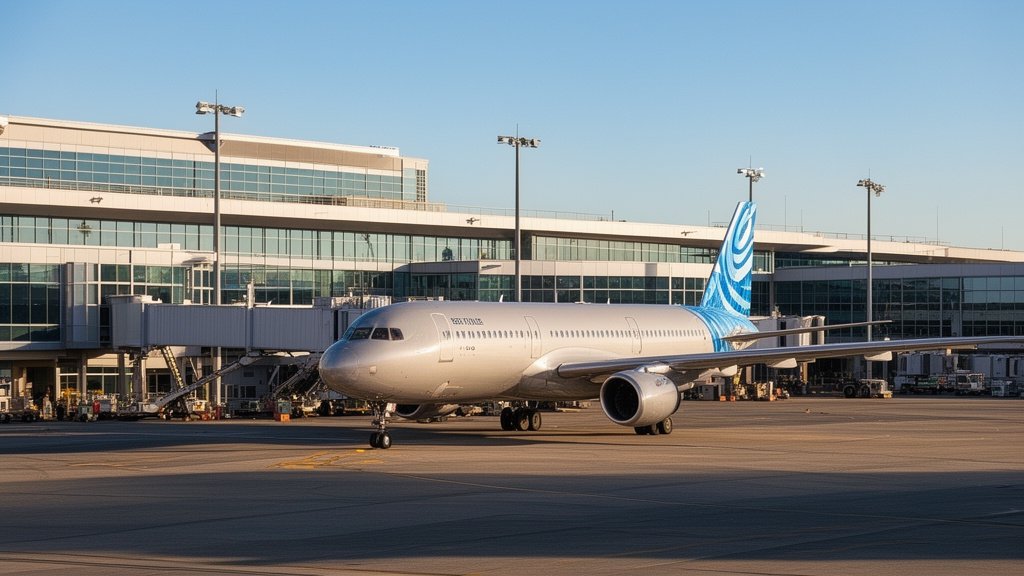
Alaska Airlines and Hawaiian Airlines have officially announced a significant expansion of their post-merger network, introducing new nonstop services connecting Seattle-Tacoma International Airport (SEA) to two strategic Pacific destinations: Osaka, Japan (KIX), and Papeete, Tahiti (PPT). This move marks a pivotal moment for the consolidated airline group, reinforcing its commitment to establishing Seattle as a premier global gateway for trans-Pacific travel. By capitalizing on the combined strengths of both carriers, the airlines aim to offer enhanced connectivity, blending the operational efficiency of the Alaska network with the international long-haul expertise now available through the Hawaiian integration.
Key Highlights
- New Strategic Routes: Nonstop service established between Seattle (SEA) and Osaka (KIX), and Seattle (SEA) and Papeete (PPT).
- Hub Consolidation: These additions position Seattle-Tacoma International Airport as a major Pacific Rim hub, challenging existing carrier dominance in the region.
- Post-Merger Synergy: This rollout is a direct result of the operational efficiencies gained following the acquisition of Hawaiian Airlines by Alaska Air Group.
- Strategic Timing: Flights are scheduled to commence in spring 2025, anticipating the high-demand travel season for both business travelers heading to Japan and leisure travelers seeking South Pacific getaways.
The Strategic Pivot: Expanding the Pacific Gateway
The launch of these two distinct routes is far more than a simple schedule update; it represents a fundamental shift in the competitive landscape of Pacific aviation. For years, Seattle has been viewed primarily as a domestic hub with limited long-haul international diversity. By launching direct routes to Osaka and Papeete, the Alaska-Hawaiian entity is effectively changing the narrative, positioning SEA as a robust, dual-purpose hub that services both the corporate-heavy trade routes of East Asia and the high-end leisure markets of French Polynesia.
This strategy is deeply rooted in the post-merger reality of the two airlines. Historically, Alaska Airlines built its reputation on reliable, high-frequency domestic and North American service. Conversely, Hawaiian Airlines brought decades of experience navigating long-haul, international, and trans-oceanic flight operations. Combining these capabilities allows the airline group to optimize its fleet utilization, using the most appropriate aircraft for long-range oceanic flights while feeding the route from its domestic network at SEA.
Operational Synergy and Fleet Utilization
The logistical orchestration required to launch these routes is substantial. The decision to base these operations out of Seattle is strategic, leveraging the airport’s existing domestic feeder network. Passengers from across the Western United States can now connect seamlessly in Seattle before boarding flights to their international destinations. This “hub-and-spoke” model is designed to maximize passenger load factors and streamline the travel experience.
From a technical perspective, the routes require long-range narrowbody or widebody aircraft capable of handling the significant flight times involved. The integration allows for shared maintenance, pilot training, and ground handling resources, creating a leaner cost structure that makes these routes financially viable in a competitive market. Furthermore, the ability to sell tickets across a unified platform ensures that loyalty members from both legacy carriers can earn and redeem miles seamlessly on these new paths, a crucial factor in securing high-yield, frequent travelers.
Economic and Cultural Implications: Osaka and Papeete
The choice of destinations is telling. Osaka, as Japan’s second-largest metropolitan area, is a critical hub for commerce, technology, and tourism. It serves as a gateway to the broader Kansai region, including Kyoto and Nara, offering a distinct cultural experience compared to the Tokyo-centric routes that currently dominate the trans-Pacific market. Business and leisure travelers alike will benefit from a more direct path into the heart of Western Japan, potentially alleviating congestion at Tokyo’s major airports.
On the other hand, the Papeete route targets a distinct segment: the luxury and leisure traveler. Tahiti has long been a dream destination for North American travelers, yet accessibility has historically been limited, often requiring complex routings or expensive connections. By providing a nonstop link from Seattle, the airline is unlocking potential for the Tahitian tourism sector, which relies heavily on high-spending North American visitors. This route is expected to see heavy utilization during peak vacation windows, providing a seasonal revenue stream that complements the year-round business travel demand of the Osaka route.
Navigating the Competitive Pacific Landscape
This expansion does not occur in a vacuum. Seattle has long been a battleground for international airlines, with major legacy carriers like Delta Air Lines maintaining a strong presence. The new Alaska-Hawaiian alliance is positioning itself as a challenger, offering a unique value proposition: the warmth and hospitality of the Hawaiian brand combined with the operational reliability of the Alaska brand.
Industry analysts note that this aggressive expansion is a signal of the airline’s intent to capture a larger share of the trans-Pacific market. By securing these routes, the carrier is preempting competitors who might have otherwise considered similar expansions, effectively “locking in” market share at a critical hub. The success of these routes will depend on the airline’s ability to maintain high service standards while managing the inherent risks of long-haul international operations, including fuel price volatility and fluctuating demand cycles.
Ultimately, the launch of the Seattle-Osaka and Seattle-Papeete services is a hallmark of the new, combined airline entity. It proves that the merger was not merely about consolidation, but about growth and expansion. As travelers begin to book these flights for the spring 2025 launch, the aviation industry will be watching closely to see if this dual-market approach—balancing business-critical routes with premium leisure—becomes the blueprint for the airline’s long-term international strategy.
FAQ: People Also Ask
1. When will these new flights from Seattle officially begin?
All new nonstop service routes between Seattle (SEA) and both Osaka (KIX) and Papeete (PPT) are scheduled to launch in the spring of 2025. Exact dates vary by route, and booking availability is expected to open in the coming months.
2. How does the merger between Alaska and Hawaiian Airlines affect these routes?
These routes are a direct result of the merger. The combined entity leverages Alaska’s strong domestic hub in Seattle and Hawaiian’s expertise in long-haul, international flight operations to create new paths that neither airline could have effectively supported independently.
3. Will loyalty benefits be honored on these new flights?
Yes, the integration of the two airlines includes a unified loyalty program. Passengers will be able to earn and redeem miles, as well as utilize status benefits, on these new international routes as part of the combined network.
4. Why did the airlines choose Seattle as the hub for these routes?
Seattle-Tacoma International Airport (SEA) serves as a major domestic feeder hub for the airline. By basing these long-haul routes in Seattle, the airline can efficiently connect passengers flying from smaller cities across North America to these new international destinations in a single stop.