Delta Air Lines has officially refreshed its Delta One transoceanic service, debuting a comprehensive menu, a curated wine selection, and enhanced sleep amenities specifically for flights departing from its Los Angeles (LAX) hub this fall. This pivot toward hyper-localized, premium service marks a significant step in the carrier’s strategy to differentiate its long-haul product against global competitors, transforming the inflight experience from a utilitarian necessity into a destination-focused indulgence.
Key Highlights
- LAX-Centric Culinary Focus: A completely revamped menu featuring partnerships with local Los Angeles culinary leaders, emphasizing fresh, seasonal, and locally sourced ingredients.
- Oenological Curation: A new, rotating wine list curated by Master Sommeliers, specifically chosen to pair with the new menus and to combat the muting of taste buds at high altitudes.
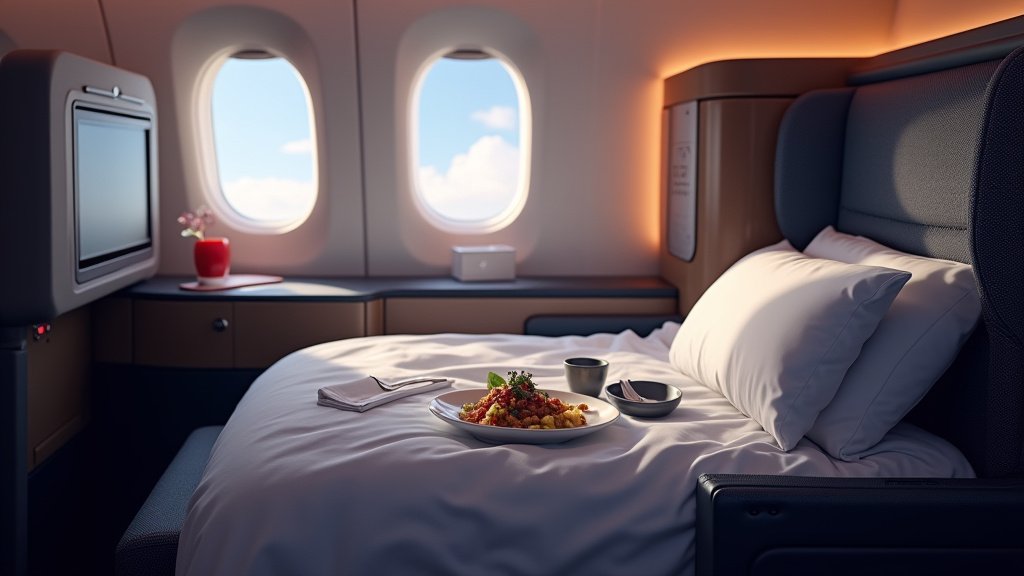
- Enhanced Sleep Suite: The introduction of new sleep amenities, including high-thread-count bedding and redesigned comfort kits aimed at maximizing restorative rest during long-haul flights.
- Strategic Market Positioning: A calculated push to dominate the premium transoceanic segment from Southern California, leveraging the airline’s hub strength to appeal to high-net-worth travelers.
The Evolution of the Transoceanic Experience
Delta Air Lines’ decision to overhaul its Delta One transoceanic service at the Los Angeles hub is not merely an operational update; it is a profound repositioning of the brand’s luxury identity. As the aviation industry recovers from years of supply chain volatility and erratic staffing, legacy carriers are finding that the battleground for high-value passengers has shifted from simple connectivity to the quality of the onboard environment. By focusing specifically on the LAX hub, Delta is utilizing the city’s reputation as a global culinary and cultural capital to anchor its new service standards.
Culinary Excellence at 35,000 Feet
The most noticeable change in the refreshed Delta One service is the menu. Historically, airline catering has struggled with the physics of flight—specifically, how cabin pressure and dry air dull the sense of taste. The new LAX-based menu attempts to bypass this by leaning into bold, umami-rich flavors and high-acid profiles that hold up well under cabin pressure. Collaborations with local Los Angeles chefs have brought a ‘farm-to-runway’ ethos to the menu, moving away from mass-produced institutional meals toward customized, plating-forward dishes that reflect the diverse palate of Southern California. Whether it is sustainably sourced seafood or plant-forward entrees, the emphasis is on visual appeal and flavor intensity, ensuring that the meal serves as an extension of the destination’s dining scene rather than a distraction from it.
A Curated Oenological Journey
Complementing the cuisine is a completely overhauled wine program. Recognizing that altitude affects the perception of tannins and acidity, the airline has engaged Master Sommeliers to curate a selection of wines that perform exceptionally well in a pressurized cabin. The new list focuses on Californian viticulture, paying homage to the West Coast while maintaining a global perspective. This isn’t just about stocking high-end bottles; it is about providing a narrative. Each bottle served in Delta One now comes with a ‘tasting story’ that flight attendants can share, elevating the service from a simple pour to an educational experience. This level of detail is a critical differentiator for premium travelers who view wine not just as a beverage, but as a component of the travel experience.
The Science of High-Altitude Sleep
Perhaps the most vital component of the transoceanic refresh is the investment in the ‘rest’ portion of the journey. Delta One’s new sleep amenities are built on the principles of circadian rhythm management. The introduction of new bedding materials—specifically designed for breathability and thermal regulation—is aimed at solving the common ‘overheating’ issue found in lie-flat seats. Paired with updated amenity kits that include premium, dermatologist-approved skincare and wellness products, the intent is to ensure that passengers arriving in international cities are refreshed rather than drained. This is a subtle yet powerful realization: in the modern business environment, time is the ultimate luxury, and arriving ‘rested’ is a tangible asset for the corporate traveler.
Analyzing the Strategic Landscape
The Economic Impact of Hub-Specific Customization
By focusing resources on the LAX hub, Delta is engaging in a ‘hub-specific customization’ strategy. Instead of a one-size-fits-all approach across its entire network, the airline is testing the viability of catering its soft product to the specific demographics of its major hubs. This localized approach allows for better supply chain management, as sourcing can be centralized around the hub’s existing agricultural and logistical partners. It also strengthens brand loyalty within a specific market, creating a ‘home-field advantage’ for the airline among local frequent flyers.
Changing Consumer Expectations in Luxury Travel
Post-pandemic travelers have shown a marked increase in willingness to pay for premium experiences. The definition of ‘premium’ has shifted from mere physical space (a wider seat) to comprehensive wellness and personalization. Delta One’s shift to include locally-sourced dining and high-end rest kits aligns with the broader ‘bleisure’ (business + leisure) trend, where the line between professional travel and personal vacation is increasingly blurred. Passengers now demand that their travel experience mirror the lifestyle they enjoy on the ground.
The Competitive Response
Competitors will undoubtedly watch this move closely. United Airlines and American Airlines maintain strong presences in the transoceanic market, and any successful elevation of the Delta One product forces a competitive response. We may see a cycle of ‘amenity inflation’ across the major US carriers, which ultimately benefits the consumer. The challenge, however, will be operational consistency; scaling a high-touch, hyper-localized culinary program across a global network is notoriously difficult, which may keep these upgrades localized to key ‘prestige’ hubs for the foreseeable future.
FAQ: People Also Ask
Q: Are these new amenities available on all Delta flights departing from LAX?
A: No. These specific upgrades are exclusive to the Delta One transoceanic service. They are not currently featured on domestic flights or lower-tier cabin classes departing from the Los Angeles hub.
Q: How does the new wine program handle the impact of altitude on taste buds?
A: The selection is curated by Master Sommeliers specifically to feature wines with higher acidity and fruit-forward profiles, which are less susceptible to being muted by the dry, pressurized environment of a commercial aircraft cabin.
Q: Is there an extra charge to access these new menu options and amenities?
A: No, these upgrades are integrated into the existing Delta One ticket price. They are part of the airline’s effort to enhance the baseline value proposition of their premium product without introducing ancillary fees.
Q: Will this rollout expand to other Delta hubs like JFK or ATL?
A: While Delta has not announced specific dates, successful ‘hub-specific’ trials like this often serve as blueprints for network-wide rollouts. If the LAX initiative meets customer satisfaction targets, expect similar localized culinary and amenity programs to appear in other major international gateways.