The November Dining Shift: A New Chapter for San Francisco
The San Francisco dining scene is experiencing a pivotal moment this November, characterized by a unique blend of historical preservation and contemporary culinary innovation. While the city’s food culture has long been defined by its ability to marry tradition with avant-garde experimentation, this month’s crop of openings—anchored by the long-awaited revival of a true local landmark—signals a new era of investment in the city’s identity. From the mist-shrouded peaks of Telegraph Hill to the bustling corridors of the downtown district, restaurateurs are betting big on the endurance of the San Francisco experience.
The Resurgence of Julius’ Castle
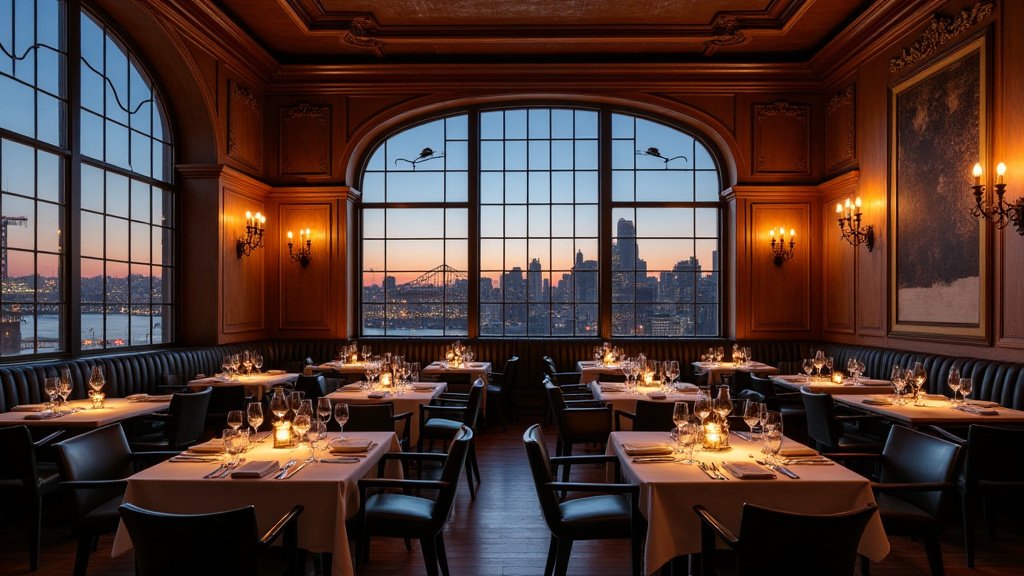
For nearly two decades, the skyline of Telegraph Hill has felt incomplete without the presence of Julius’ Castle. After a staggering 18-year hiatus, the historic venue has officially reopened its doors, marking the most significant culinary comeback of the year. Owner Paul Scott has spearheaded the revival, successfully navigating the complex permitting and preservation challenges required to bring the landmark venue back to life.
Unlike its previous iterations, which were often viewed through a lens of nostalgia, the new Julius’ Castle embraces a sophisticated farm-to-table dining concept. Scott has focused on local sourcing that honors the terroir of the Bay Area, integrating seasonal produce with a menu that balances refined technique with the casual, accessible luxury that modern diners now demand. The iconic views, which remain perhaps the best in the city, serve as the backdrop for a dining program that is as much about the provenance of the ingredients as it is about the heritage of the walls it occupies.
The Evolving Culinary Architecture
The restoration of such a storied venue is not merely an act of business; it is a vital injection of energy into a neighborhood that has navigated significant changes over the last decade. Historically, Telegraph Hill has been a difficult landscape for restaurateurs, balancing the logistical nightmare of narrow, winding streets with the high expectations of a sophisticated clientele. Julius’ Castle succeeds here by positioning itself not just as a restaurant, but as a cultural touchstone that redefines the relationship between space and sustenance. This reflects a broader trend seen across San Francisco’s most anticipated November openings: a move toward ‘anchored’ dining. Restaurateurs are choosing locations with history and character, moving away from generic commercial leases in favor of spaces that offer a sense of place. Whether it is the renovation of a heritage building or the repurposing of a classic neighborhood nook, the focus is on creating environments that feel like they have always belonged.
Analyzing the Farm-to-Table Pivot
The shift toward farm-to-table dining—exemplified by Scott’s approach at Julius’ Castle—is no longer a trend; it is the baseline for high-end dining in San Francisco. However, the current iteration is more specific, leaning into hyper-local sourcing that involves direct partnerships with Northern California’s smaller, artisanal producers. This movement is a response to both economic and ethical pressures. Consumers are increasingly asking questions about the origins of their meals, and the restaurants succeeding in this November window are those that can provide transparent, traceable narratives behind every plate. This approach mitigates supply chain volatility while simultaneously elevating the quality of the dish, creating a symbiotic relationship between the kitchen and the source.
Broader Economic and Cultural Trends
Beyond individual venues, these openings represent a broader economic resilience. Despite various headwinds facing the restaurant industry, including rising labor costs and fluctuating commercial real estate, San Francisco continues to attract high-tier talent. The investment in these spaces—especially the intensive capital required for historic renovations—suggests long-term optimism from developers and chefs. This November, we are seeing a diversification of risk: restaurateurs are favoring smaller, more agile footprints while simultaneously investing heavily in the ‘experience’ factor. The dining room has become an stage, and the menu, the script. It is a calculated, sophisticated approach to capturing the attention of a post-pandemic audience that craves genuine engagement and atmospheric excellence.
The Other 4 Pillars of the November Landscape
While Julius’ Castle captures the headlines, it is supported by four other distinct openings that round out the city’s current culinary profile. These establishments are not merely competitors; they form a symbiotic ecosystem that highlights the variety of San Francisco’s palate. From the high-concept bakeries that define the city’s morning culture to the intimate bar spaces pushing the boundaries of mixology, these locations emphasize technical precision. Each opening this month shares a common thread of ‘intentionality’—a departure from the rapid-expansion models of the past decade. Instead, owners are focusing on single, perfectly executed concepts that prioritize staff retention and menu quality over geographic reach. This focus on depth over breadth is exactly what the San Francisco food scene needs to mature into the next decade.
FAQ: People Also Ask
What makes the reopening of Julius’ Castle so significant?
It marks the return of a historic Telegraph Hill landmark that had been shuttered for 18 years. It is widely considered a symbol of the neighborhood’s potential and represents the successful marriage of historical preservation with modern dining standards.
Is the farm-to-table concept at Julius’ Castle different from others?
Yes, the new concept, led by Paul Scott, emphasizes direct, hyper-local sourcing and a menu structure designed to be both sophisticated and accessible, moving away from the more formal, rigid dining structures of the past.
Why are these openings concentrated in November?
November is a prime window for restaurants as they aim to establish their presence before the holiday season. It allows new venues to iron out operational kinks before the high-volume demand of the winter months, while capitalizing on the local trend of seasonal dining transitions.
How does the current SF culinary scene differ from previous years?
There is a notable shift toward ‘anchored’ dining, where developers and chefs are prioritizing historic or character-rich locations rather than generic commercial spaces. There is also an increased emphasis on sustainability and menu transparency compared to the rapid-expansion models seen in earlier cycles.