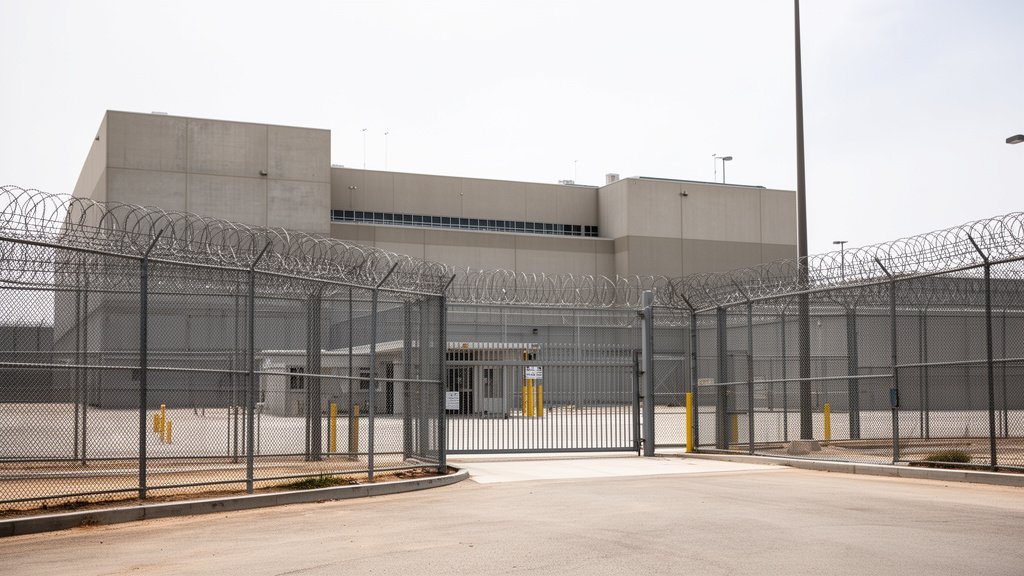
The Adelanto ICE Processing Center is once again the focus of serious public safety concerns following a disturbing video report released by a detainee. The footage, which has circulated among immigration advocates and legal observers, purports to show drinking water dispensed within the facility containing visible, worm-like creatures. This allegation brings into sharp focus the broader debate surrounding the living conditions inside private, contractor-operated detention centers and the efficacy of oversight mechanisms governing the U.S. immigration detention system.
Key Highlights
- Visual Evidence: A detainee at the Adelanto ICE Processing Center recorded video footage showing suspected worm-like contaminants in the facility’s drinking water supply.
- Facility Management: The facility is operated by The GEO Group, a private corporation under contract with U.S. Immigration and Customs Enforcement (ICE).
- Regulatory Concerns: The incident has prompted immediate demands for independent environmental testing and a review of the facility’s compliance with the ICE Performance-Based National Detention Standards (PBNDS).
- Public Health Risks: Legal advocates argue that potential water contamination poses severe health risks to the hundreds of detainees currently housed at the facility, highlighting systemic failures in institutional maintenance.
Investigative Focus: Analyzing the Allegations at Adelanto
The Adelanto ICE Processing Center, located in San Bernardino County, California, has long been a focal point for controversy regarding conditions of confinement. The latest allegations involving water quality are particularly alarming, as access to clean, potable water is considered a basic human right and a foundational requirement under federal detention standards.
The Evidence: Analyzing the Detainee-Recorded Video
The video, captured using a contraband device, reportedly shows water being dispensed into a clear container, where small, wriggling organisms are visible. While independent verification of the biological nature of these organisms is pending, the visual evidence has been sufficient to trigger concern among human rights organizations. In detention environments, where detainees rely entirely on the facility for basic necessities, such an alleged failure suggests a lapse in plumbing maintenance, filtration systems, or the integrity of the water source itself. The rapid dissemination of the video has created a firestorm of criticism, forcing observers to question the rigor of routine health inspections mandated for federal contractors.
Operational Oversight: The Role of GEO Group
Adelanto is operated by The GEO Group, one of the largest private prison operators in the United States. Critics of the private prison industry argue that the profit motive inherent in these contracts often leads to cost-cutting measures that sacrifice facility maintenance and detainee welfare. This is not the first time Adelanto has faced scrutiny. Historically, the facility has been subject to multiple lawsuits and complaints concerning everything from medical care standards to environmental conditions.
Systemic Health Risks in Private Detention Centers
When water quality is compromised in a closed-system facility, the risk of waterborne illness—including gastrointestinal infections and dermatological issues—becomes a major threat. Detainees at Adelanto have previously raised concerns regarding the overall cleanliness of the facility. If the water supply is indeed contaminated, it represents a significant violation of the ICE Performance-Based National Detention Standards, which require that facilities provide access to safe, potable water at all times. The current situation demands an immediate, transparent investigation by the Department of Homeland Security’s Office of Inspector General to ensure the health and safety of those in custody.
Broader Implications and Historical Context
The controversy at Adelanto mirrors national trends concerning the privatization of immigration detention. As the system continues to rely on private contractors, the gap between official federal oversight and the daily reality experienced by detainees often widens.
The Privatization Debate
Critics point to this incident as a microcosm of the risks associated with privatized detention. When a private entity is responsible for facility management, transparency often decreases. The burden of proof frequently falls on the vulnerable population—the detainees themselves—to expose failures, as seen in this instance where a detainee had to record the footage themselves to alert the public.
Enforcement Standards vs. Reality
While ICE mandates strict adherence to its national detention standards, the enforcement mechanism is often criticized for being reactive rather than proactive. Routine inspections, often scheduled in advance, may fail to capture daily maintenance lapses. This incident highlights the need for unannounced, independent environmental health audits at facilities across the country to verify that basic infrastructure remains functional and safe.
Legal Avenues for Accountability
Following the emergence of the video, legal advocacy groups are likely to explore litigation, citing potential violations of due process and the Eighth Amendment protections against inhumane conditions. If it can be proven that management was aware of water quality issues and failed to act, the legal implications for The GEO Group and ICE could be substantial, potentially leading to increased federal oversight or contract termination clauses being triggered.
FAQ: People Also Ask
1. What is the Adelanto ICE Processing Center?
Adelanto is one of the largest immigration detention centers in California, operated by The GEO Group under an intergovernmental service agreement with U.S. Immigration and Customs Enforcement (ICE). It houses detainees who are awaiting immigration proceedings.
2. Are private detention centers held to the same standards as government-run facilities?
Yes, all ICE detention facilities, regardless of whether they are operated by the government or a private contractor, are required to adhere to the ICE Performance-Based National Detention Standards (PBNDS). These standards set strict requirements for health, safety, and operational conduct.
3. Who should be held accountable for water contamination in these facilities?
Accountability generally rests with both the facility operator (in this case, The GEO Group) for facility maintenance and ICE, which is responsible for monitoring compliance and ensuring the safety of detainees under its jurisdiction.
4. What steps are usually taken after such an allegation is made?
Typically, such allegations prompt a request for an official investigation by the Office of Inspector General (OIG), public statements from advocacy groups, and often a media inquiry to ICE to confirm whether corrective maintenance has been performed.