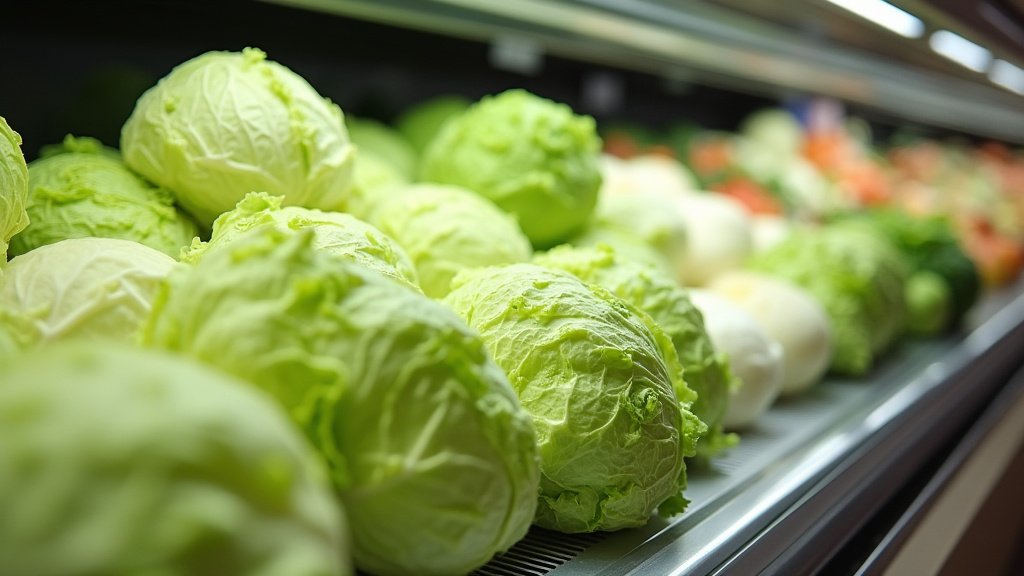
The Centers for Disease Control and Prevention (CDC) is currently spearheading an urgent multi-state investigation into a rising number of Cyclospora infections specifically linked to iceberg lettuce products sourced from Taylor Farms de Mexico. This foodborne illness outbreak has prompted widespread product recalls affecting major retail chains, including Walmart, across nine states. As health officials work to trace the precise distribution channels of the contaminated produce, consumers are being urged to exercise extreme caution regarding existing grocery inventories.
Key Highlights
- Primary Source Identified: The outbreak is definitively linked to iceberg lettuce processed at the Taylor Farms de Mexico facility, triggering a comprehensive recall of affected SKUs.
- Geographic Scope: The recall and active investigation span nine states, with health authorities monitoring for additional cases in neighboring regions.
- Retail Impact: Significant retailers, most notably Walmart, have pulled specific pre-packaged lettuce and salad kits from shelves to prevent further transmission.
- Clinical Concern: Cyclospora cayetanensis causes cyclosporiasis, an intestinal infection characterized by prolonged, severe gastrointestinal distress that often requires specific medical intervention.
- Actionable Advice: Consumers are advised to check their refrigerator for specific recalled product codes and immediately dispose of any questionable items rather than attempting to wash or sanitize them.
Understanding the Cyclospora Threat and Supply Chain Impact
The current investigation into the Taylor Farms de Mexico incident underscores the unique challenges of modern produce safety. Unlike many foodborne pathogens, Cyclospora is a microscopic parasite, not a bacterium, which changes the nature of the containment and investigative process. Because Cyclospora is notoriously difficult to detect and trace—often having a long incubation period—the lag time between consumption and illness onset complicates the epidemiological investigation. This delay often results in a ‘trailing’ effect, where new cases continue to emerge even after a recall is initiated.
The Pathophysiology of Cyclosporiasis
Cyclospora cayetanensis is transmitted through the ingestion of food or water contaminated with oocysts, the infective stage of the parasite. Once ingested, these oocysts undergo a complex life cycle within the small intestine, leading to the clinical manifestations of cyclosporiasis. Symptoms typically include watery, explosive diarrhea, loss of appetite, weight loss, severe stomach cramps, bloating, nausea, and fatigue.
Crucially, unlike mild cases of food poisoning that might resolve in 24 to 48 hours, untreated cyclosporiasis can persist for weeks or even months. The CDC notes that symptoms may remit and return, leading to a ‘relapsing’ course of illness. Because the pathogen is a parasite, standard antibiotics like those used for bacterial infections (such as Salmonella or E. coli) are ineffective. Diagnosis requires specific stool testing, and treatment generally involves a prescription of trimethoprim-sulfamethoxazole (TMP-SMX). Consumers experiencing persistent gastrointestinal distress following the consumption of iceberg lettuce should specifically request testing for Cyclospora from their healthcare provider, as it is not always included in standard ‘stool culture’ panels.
The ‘Leafy Greens’ Vulnerability
This outbreak highlights the systemic vulnerabilities inherent in the leafy greens supply chain. The process of harvesting, washing, and packaging lettuce involves high-speed machinery and massive throughput, where a single point of contamination can affect thousands of units. Taylor Farms, as a major player in the produce industry, operates with robust safety protocols, yet this incident serves as a stark reminder that biological contamination can bypass even stringent Hazard Analysis Critical Control Point (HACCP) systems.
Experts in food safety emphasize that fresh produce is particularly susceptible because, unlike meat products, it is rarely subjected to a ‘kill step’ (such as high-heat cooking) before consumption. Washing lettuce at home, while generally good practice, is largely ineffective against Cyclospora oocysts, which are hardy and can become embedded in the complex topography of lettuce leaves. The industry is currently pivoting toward higher-tech solutions, including advanced wash-water sanitization technologies and blockchain-based tracing, to better isolate contamination events before they reach the retail level.
Consumer Precautions and Medical Guidance
For the average household, the most effective defense remains vigilance regarding recall notices. The CDC and FDA maintain updated lists of recalled product codes and ‘best by’ dates. Consumers should not rely on visual inspection—contaminated produce looks, smells, and tastes exactly like safe produce.
If you believe you have purchased recalled iceberg lettuce, the recommendation is binary: do not consume it, and do not attempt to wash it. Dispose of the product in a sealed plastic bag to prevent cross-contamination in your kitchen waste. Furthermore, if you are experiencing symptoms, prioritize hydration and avoid self-medicating with over-the-counter anti-diarrheal medication, as these can sometimes mask the symptoms and prevent the body from naturally purging the parasite. Contact a primary care physician to discuss testing and potential antibiotic therapy. As the CDC continues to update the list of affected states and retailers, consumers are advised to check local health department websites for regional-specific guidance.
FAQ: People Also Ask
1. Can I wash the Cyclospora off my lettuce?
No. Cyclospora cayetanensis is highly resistant to traditional washing methods. Standard household rinsing or using commercial vegetable washes will not remove the parasite from the crevices of lettuce leaves. If a product is part of a recall, it must be discarded.
2. How long does it take for Cyclospora symptoms to appear?
Symptoms typically begin about one week (roughly 7 days) after ingesting the parasite. However, this incubation period can range from two days to more than two weeks, which makes linking a specific meal to the infection difficult for many patients.
3. Is Cyclospora contagious person-to-person?
No. Cyclospora is not transmitted directly from person to person. You must ingest the oocysts, usually through contaminated food or water, to become infected. The oocysts need time—days or even weeks—in the environment to become infectious after being shed in a person’s stool.
4. What should I do if I think I ate recalled lettuce?
If you are asymptomatic, simply monitor your health for up to two weeks. If you develop diarrhea or other gastrointestinal symptoms, contact your healthcare provider. Be sure to inform them that you may have been exposed to Cyclospora, as this will help them order the correct diagnostic tests.