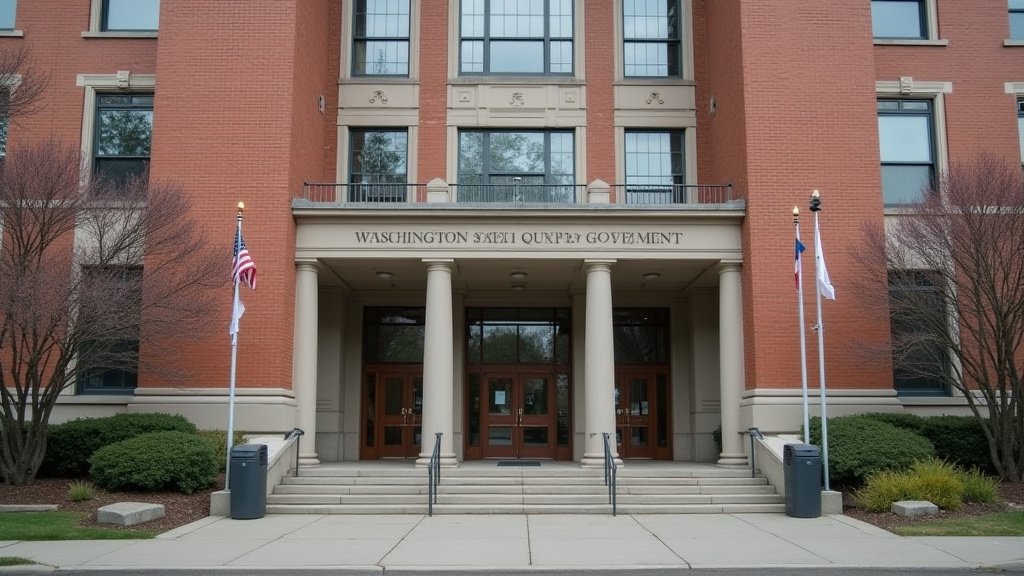
On August 19, 2026, the State of Washington released an audit concerning the Department of Children, Youth, and Families (DCYF) that has sent shockwaves through the state’s regulatory apparatus. The report, which details systemic failures in compliance with state law, underscores a profound breakdown in the agency’s ability to conduct child care investigations and maintain financial oversight. Because of the severity of these findings, the audit necessitated mandatory reporting to both the Governor and the state legislature, a rare step that signals the gravity of the violations uncovered.
Key Highlights
- Regulatory Non-Compliance: The DCYF failed to adhere to state laws governing the investigation of unlicensed child care providers, leaving potential gaps in child safety protocols.
- Financial Mismanagement: The audit identified significant deficiencies in the oversight of family gift card programs, suggesting a lack of accountability in the distribution and tracking of state resources.
- Mandatory Escalation: The findings were deemed significant enough to trigger mandatory reporting requirements, compelling direct disclosure to the Governor of Washington and the state legislature.
- Systemic Oversight Failures: The report points to a recurring pattern of administrative negligence, rather than isolated incidents, necessitating immediate structural review.
The Anatomy of the DCYF Audit Violations
The August 2026 audit represents a critical inflection point for the Department of Children, Youth, and Families. For years, the agency has been tasked with the dual mandate of supporting families while ensuring child safety; however, this latest inquiry suggests that the administrative machinery meant to enforce these laws has malfunctioned. The primary focus of the audit centered on the agency’s adherence to state regulatory frameworks—specifically, the legal requirements for investigating child care providers operating without state licenses.
When a child care provider operates without a license, they fall outside the standard safety net established by the state. The investigation of these entities is not merely an administrative exercise; it is a vital function that verifies that environments where children spend significant portions of their days are safe, sanitary, and staffed by vetted individuals. The state audit concluded that DCYF failed to follow the prescribed legal processes for these investigations. This failure creates a hazardous blind spot, where the state cannot guarantee that the children in these unlicensed facilities are receiving adequate care or are protected from harm.
The Crisis of Unlicensed Provider Oversight
The audit highlights that the failure to properly investigate unlicensed child care providers is more than just a bureaucratic oversight—it is a breach of the agency’s primary mission. When DCYF receives reports or identifies potentially unlicensed care environments, the law mandates a specific investigative trajectory. By failing to comply with these legal statutes, the agency has effectively undermined the legislative intent designed to protect Washington’s most vulnerable citizens.
Analysts note that this failure often stems from resource allocation issues, but the audit makes it clear that the problem is rooted in procedural non-compliance. The inability to properly track and vet these providers means that the state lacks the necessary data to determine the scale of the risk. Parents rely on the DCYF to be the final arbiter of child care safety; when the department fails to perform its due diligence, that trust is fundamentally broken.
Financial Oversight and Gift Card Discrepancies
Parallel to the safety investigation failures, the audit unearthed disturbing gaps in the financial stewardship of the department. Specifically, the oversight of family gift card programs—often used to provide immediate support to families in crisis—was found to be severely lacking. State funds require rigorous accounting; the audit indicates that the mechanisms intended to track these gift cards, ensuring they were used for their intended purpose and not subject to misuse or theft, were either absent or ignored.
This financial mismanagement is particularly damaging for public trust. When an agency responsible for sensitive social services cannot account for the distribution of public funds, it raises questions about the competency of the agency’s internal controls. The report outlines that without proper documentation and verification procedures, the department allowed for a climate where accountability was secondary to convenience, resulting in a loss of institutional integrity.
Implications and Future Policy Directions
Because the audit triggered mandatory reporting, the Governor and the state legislature are now required to review the findings and hold the agency accountable. This is not a voluntary review process; it is a legal requirement that forces the executive branch to address the deficiencies immediately. The expectation is that the state legislature will hold oversight hearings in the coming legislative session to demand answers regarding the timeline of these violations and to chart a course for reform.
Can the DCYF Restore Credibility?
The path to restoring credibility for the DCYF will require more than just superficial policy updates. It demands a root-and-branch restructuring of how the agency handles investigations and financial reporting. Lawmakers have already begun calling for increased independent oversight, suggesting that the current internal mechanisms for self-auditing are insufficient. For the citizens of Washington, the goal is clear: the agency must transform from a reactive bureaucracy into a proactive protector of child safety and a responsible steward of public money.
FAQ: People Also Ask
1. What happens when an audit triggers mandatory reporting to the Governor?
It signifies that the audit findings are legally serious and expose potential liabilities or dangerous lapses in state operations. The Governor and the legislature are effectively legally obligated to review the report and take corrective action or implement oversight measures.
2. Does the audit suggest that children were harmed?
The audit specifically highlights failures in the process of investigating and overseeing providers. While it does not explicitly catalog specific instances of harm, the failure to follow legal investigative protocols creates an environment where risks are significantly higher, which is the core concern of the auditor’s report.
3. How will this affect families currently using DCYF-regulated services?
Families should continue to utilize services, but this report will likely lead to increased scrutiny of providers. Parents should be aware that the state is under pressure to improve its oversight, which may result in more frequent, rigorous inspections and stricter adherence to licensing requirements in the near future.
4. What is the next step for the DCYF following these findings?
The department is now required to formulate a corrective action plan to address every specific violation cited in the audit. This plan will likely be subject to public scrutiny and legislative review to ensure the agency is actually fixing the underlying problems rather than just applying “band-aid” solutions.