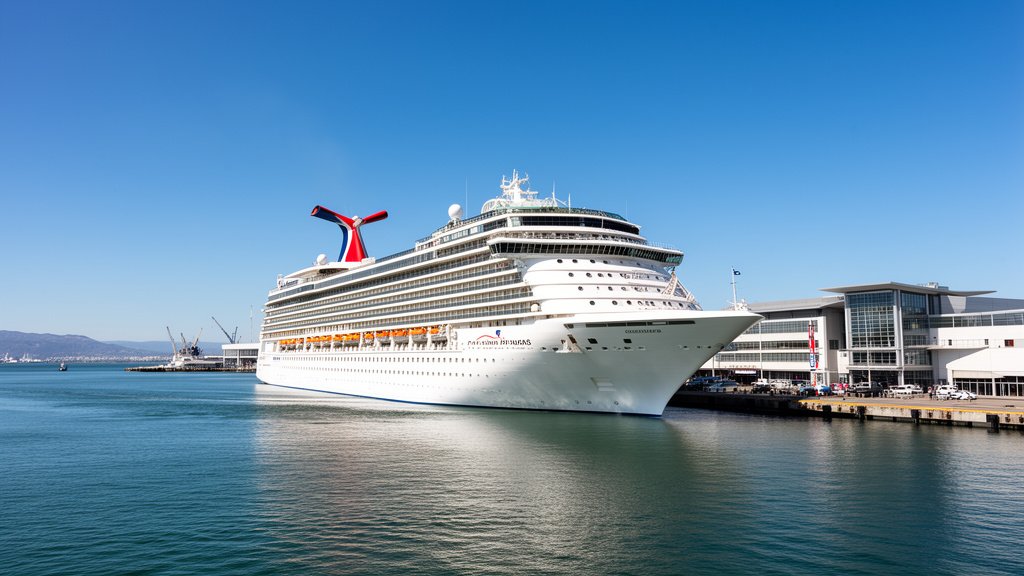
Carnival Cruise Line has officially opened its booking window for the 2028-2029 season for West Coast departures, signaling a strategic focus on expanding its Alaska, Hawaii, and Mexico cruise offerings from the region. This aggressive long-term planning release allows travelers to secure cabins on highly sought-after itineraries nearly four years in advance, a clear response to the growing trend of extended travel planning that has taken hold in the post-pandemic tourism landscape.
Key Highlights
- Expanded Itinerary Access: Travelers can now reserve voyages through the 2028-2029 season, covering major destinations including Alaska, the Mexican Riviera, and the Hawaiian Islands.
- Strategic Capacity Management: The early release allows Carnival to gauge demand and adjust deployment for key West Coast homeports, including Los Angeles and San Francisco.
- Long-Term Consumer Focus: This rollout targets the “planner” demographic, allowing families and groups to lock in pricing and stateroom preferences for major milestone events well into the future.
The Strategic Pivot: Why 2028/29 Matters
In the hyper-competitive world of cruise tourism, the release of schedules is more than a administrative task; it is a declaration of confidence in regional demand. By opening the 2028-2029 window, Carnival Cruise Line is effectively setting the benchmark for the West Coast market. This move allows the cruise operator to capture early-bird demand while mitigating the volatility of short-term economic fluctuations.
For the cruise operator, the West Coast is a unique ecosystem. Unlike the Caribbean, which relies heavily on fly-to markets from the East Coast and Midwest, the West Coast cruise market is heavily driven by drive-to traffic. By locking in dates for 2028/29, Carnival is betting that the regional population centers—specifically Southern California and Northern California—will continue to favor the convenience of sailing from their own “backyard” ports. This strategic decision aligns with the company’s broader goal of operational efficiency, ensuring that ships are positioned for maximum occupancy across these three primary itineraries.
Analyzing the Trio: Alaska, Mexico, and Hawaii
The 2028-2029 lineup focuses on three distinct pillars of the West Coast experience:
1. Alaska’s Resilience: Alaska remains the “crown jewel” of West Coast cruising. Despite strict environmental regulations and intense competition for berthing slots in ports like Juneau and Ketchikan, Carnival continues to prioritize these routes. By releasing these dates now, the company ensures that it remains at the forefront of the premium summer season, which remains the most profitable window for the cruise line in the Northern Hemisphere.
2. The Mexican Riviera: This remains the bread-and-butter of the West Coast fleet. The year-round appeal of Cabo San Lucas, Puerto Vallarta, and Ensenada provides a stable revenue stream. The 2028/29 season suggests that Carnival plans to maintain high frequency for these shorter, “getaway” style cruises that are essential for short-haul vacationers.
3. The Hawaiian Advantage: Hawaii cruises are notoriously complex due to the distance from the continental U.S. and the need for ships with specific international voyage certifications. By announcing these sailings early, Carnival is positioning itself to capture the high-end, longer-duration market segment that often books years in advance to coordinate with family reunions or milestone anniversaries.
Operational Logistics and Economic Impact
The ripple effect of this scheduling announcement extends far beyond the cruise terminal. For local economies in Long Beach, Los Angeles, and San Francisco, this forward planning provides a level of certainty. Cruise lines operate on massive lead times, and local vendors, port authorities, and tourism boards rely on these projections to manage infrastructure and staffing.
Furthermore, this move suggests that Carnival is confident in the scalability of its fleet. As new, larger ships continue to join the global fleet, the West Coast is seeing a transition toward vessels with higher passenger capacity and more on-board amenities. This 2028/29 window effectively serves as a placeholder for the next generation of vessel deployment, potentially hinting at a future where the West Coast receives a larger share of the company’s newest and most innovative hardware.
Secondary Angles: Examining the Future of Travel
To understand the magnitude of this news, we must look at three secondary, critical factors:
- The Rise of the ‘Planner’ Traveler: There is a distinct shift in consumer behavior. Travelers are increasingly moving away from spontaneous bookings toward meticulous, long-term planning. This shift is likely driven by the increased cost of travel and the desire to secure “locked-in” pricing, hedging against potential inflation in the travel sector.
- Competitive Positioning: How will Royal Caribbean, Princess, and Holland America respond? The cruise industry is a game of chess. By moving first with the 2028/29 window, Carnival forces competitors to either mirror their timeline or risk losing the early-bird segment to the market leader. We anticipate a ripple effect across the industry in the coming months.
- Environmental and Sustainability Challenges: As the industry faces increasing pressure to reduce emissions, the 2028/29 season will likely feature ships equipped with the latest shore-power technology. This booking window isn’t just about dates; it’s about the rollout of a cleaner, more efficient operational model in environmentally sensitive zones like the Inside Passage.
FAQ: People Also Ask
Q: When can I start booking these specific 2028-2029 dates?
A: Bookings are open as of the official announcement. Customers can visit the Carnival Cruise Line website or consult with a travel agent to view the full calendar and secure their staterooms.
Q: Does this include all West Coast ports?
A: While the announcement covers the primary West Coast itinerary structure, specific ship assignments per port (Long Beach vs. San Francisco) are outlined within the booking portal for each specific sailing date.
Q: Why is Carnival releasing these dates so far in advance?
A: This strategy caters to the increasing demand for long-lead travel planning, allowing guests to secure preferred cabin categories and budget for their vacations over a longer period, while also assisting the company in long-term capacity management.