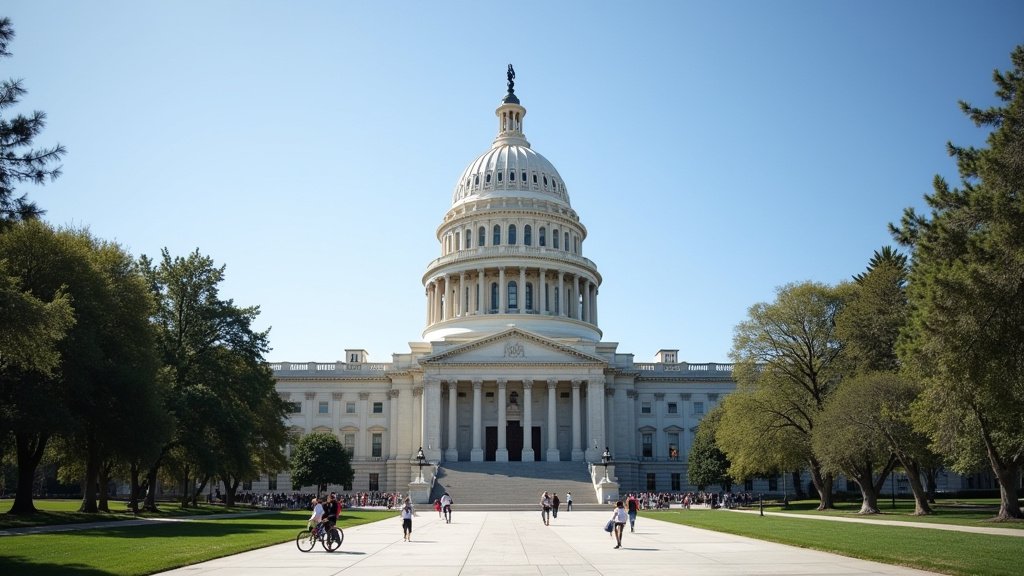
Southern California Edison (SCE) is mounting an urgent, high-stakes lobbying campaign to convince California lawmakers to convene a special legislative session before the conclusion of 2024. The utility giant is pushing for a definitive legislative framework to reform the state’s strict liability rules surrounding utility-caused wildfires. Executives at SCE argue that without a fundamental shift in how the state handles ‘inverse condemnation’—a legal doctrine that holds utilities liable for damages caused by their equipment, regardless of negligence—the financial stability of the company, and consequently the electricity rates for millions of customers, hangs in the balance.
The Legal Quagmire: Inverse Condemnation
At the heart of the standoff is the legal doctrine of inverse condemnation. Under current California law, utilities can be found strictly liable for damages resulting from wildfires ignited by their infrastructure, even if the utility followed all state-mandated safety regulations and acted with due care. For a company like SCE, this creates a ‘bet-the-company’ risk profile that is increasingly difficult to underwrite.
SCE argues that this framework is fundamentally broken and unsustainable in an era defined by climate change and prolonged, extreme wildfire seasons. The utility asserts that the current liability model unfairly forces shareholders to bear the costs of fires that are often exacerbated by factors outside the company’s control, such as unprecedented drought conditions, high-wind events (Santa Ana winds), and dense vegetation growth.
Financial Fallout: Credit Ratings and Bond Markets
The urgency for a special session is driven by cold, hard financial mathematics. Credit rating agencies have recently voiced concerns regarding the ‘wildfire risk’ associated with California’s largest utilities. SCE has explicitly warned that the failure to secure a legislative shield against unlimited liability could lead to credit rating downgrades.
In the utility sector, credit ratings are more than just corporate vanity; they dictate the cost of borrowing capital. If SCE’s credit rating is downgraded, its borrowing costs rise significantly. Because utilities are regulated entities that are generally allowed to pass ‘prudently incurred’ costs on to their customers, these increased borrowing expenses often translate directly into higher electricity bills. SCE contends that legislative action is the only path to stabilizing its balance sheet, keeping its bond yields manageable, and protecting ratepayers from the compounded costs of financial instability.
The Legislative Impasse and Political Friction
The lobbying effort comes on the heels of legislative failures during the previous session, where attempts to secure a liability cap stalled amid intense political pushback. Critics, including consumer advocacy groups and certain environmental coalitions, remain skeptical. They argue that creating a ‘liability cap’ or shifting the burden of wildfire costs away from utilities reduces the incentive for companies to invest in grid hardening, vegetation management, and technological upgrades needed to prevent fires in the first place.
Legislators in Sacramento face a difficult dilemma: appease a critical utility provider that keeps the lights on, or protect consumer interests and maintain pressure on corporations to prioritize fire safety. The memory of the Pacific Gas & Electric (PG&E) bankruptcy—triggered by wildfire liabilities—looms large over these discussions. State lawmakers are wary of letting another major utility face a similar fate, but they are equally wary of being seen as granting a ‘get out of jail free’ card to corporate giants at the expense of wildfire victims.
Balancing Safety with Fiscal Reality
SCE maintains that its lobbying is not an attempt to evade responsibility, but rather an attempt to create a predictable legal environment. The utility has pointed to massive investments in its ‘Grid Modernization’ programs, including installing covered conductors and removing hazard trees, as evidence of its commitment to safety. However, they argue that no grid can be 100% immune to fire, and the current legal regime punishes the utility for the mere existence of infrastructure in high-risk zones.
The push for a special session suggests that SCE leadership believes the current political climate in Sacramento might be more receptive to a compromise before the legislative body turns its focus to the 2025 agenda. Whether they can secure the votes to pass a meaningful reform—or whether they will be forced to wait for a more favorable political alignment—remains the central question of California’s energy policy as the year draws to a close.
FAQ: People Also Ask
What is ‘inverse condemnation’ in the context of California utilities?
Inverse condemnation is a legal doctrine that allows property owners to sue the government (or in this case, a utility acting under state-granted authority) for damages, even if the entity was not negligent. It essentially holds the utility strictly liable for wildfire damage if their equipment is the ignition source, regardless of whether they followed all safety rules.
Why does SCE want a special session?
SCE is seeking a special legislative session to address liability reform before the end of the year to avoid further credit rating scrutiny. They aim to establish a more predictable liability framework that prevents the type of financial volatility that could lead to higher borrowing costs, which would ultimately be passed on to ratepayers.
What are the risks of failing to pass liability reform?
If a legislative solution is not reached, SCE warns that its credit rating could suffer, increasing the cost of capital. Furthermore, the company remains exposed to catastrophic litigation risks from future wildfire seasons, creating long-term uncertainty for both investors and customers regarding bill stability and grid reliability.
How does this compare to the PG&E bankruptcy?
PG&E filed for bankruptcy in 2019 following billions of dollars in liabilities stemming from wildfires. The specter of a similar collapse for SCE drives much of the current discussion; policymakers are focused on preventing a repeat of that crisis, which caused immense disruption to state energy markets and wildfire victims.