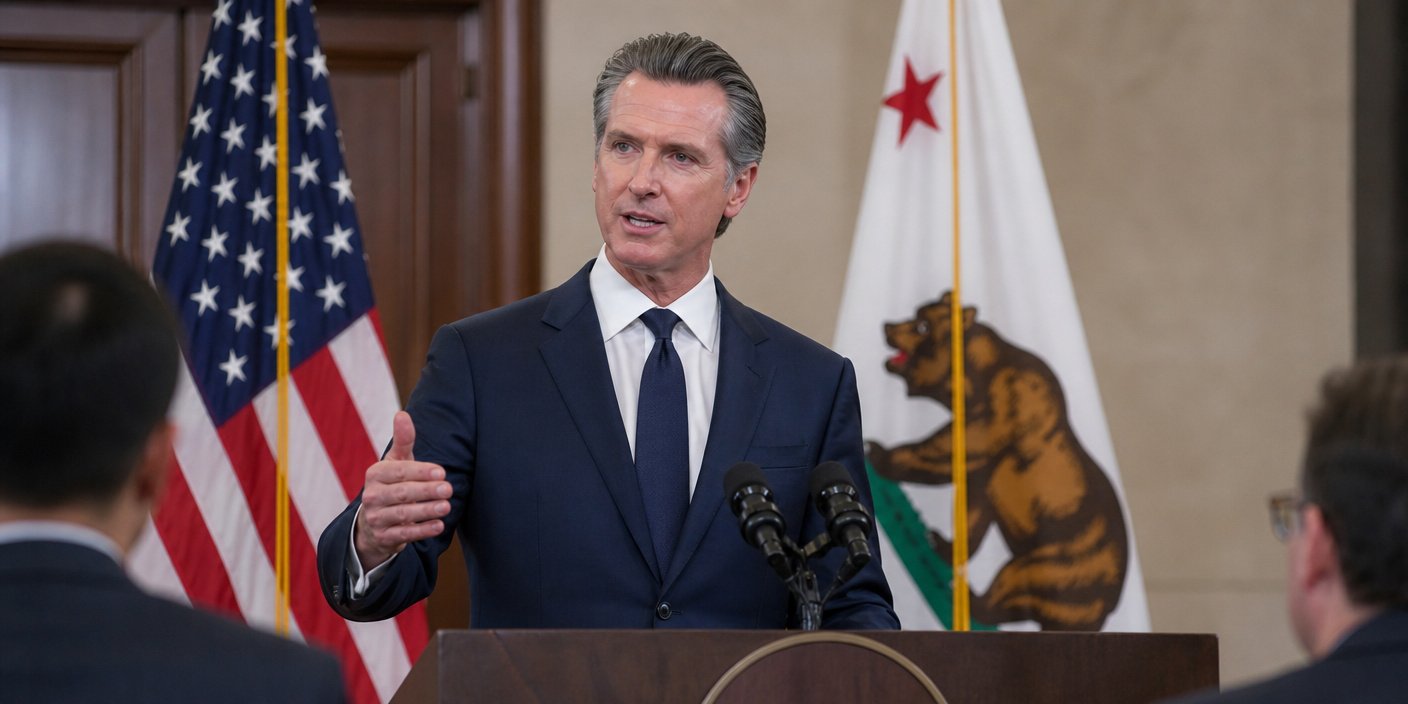
Governor Gavin Newsom has issued a formal state of emergency declaration for California, empowering state agencies to accelerate preparations and resource allocation for what meteorologists predict could be a historically severe El Niño season. This strategic move is designed to streamline the mobilization of personnel, equipment, and financial reserves, ensuring that local jurisdictions are better equipped to handle the expected surge in extreme rainfall, coastal flooding, and infrastructure strain across the state.
Key Highlights
- Preemptive Activation: The state of emergency allows California to bypass procurement red tape, enabling rapid acquisition of flood-prevention materials like sandbags, barriers, and heavy machinery.
- Coordinated Defense: Integration between the California Governor’s Office of Emergency Services (Cal OES) and the National Weather Service (NWS) is now operating at heightened capacity to monitor storm trajectories in real-time.
- Economic Safeguards: The declaration unlocks state disaster funds, providing a critical financial buffer for local governments to conduct rapid repairs to levee systems, storm drains, and roadways prone to mudslides.
Preparing for the Deluge: California’s Defensive Posture
The declaration marks a pivotal shift in California’s climate strategy, moving from reactive disaster management to proactive threat mitigation. As the Pacific Ocean experiences a robust El Niño—a climate pattern characterized by warmer-than-average sea surface temperatures—the state finds itself in the crosshairs of a significantly wetter-than-usual weather pattern. For a state that has spent much of the last decade battling extreme drought, the sudden transition to flood-risk management requires a massive, statewide logistical pivot.
Meteorology and The Pacific Pattern
The current El Niño event, tracked extensively by the National Oceanic and Atmospheric Administration (NOAA), is forcing atmospheric rivers toward the California coastline with greater frequency and intensity. Unlike standard winter storms, these weather systems carry massive amounts of moisture from the tropical Pacific, often parking over specific regions for days at a time. This atmospheric phenomenon necessitates the state’s current, proactive stance. The emergency declaration empowers the Department of Water Resources to preemptively lower reservoir levels in specific zones to create space for massive inflows, balancing the need for flood protection with the necessity of water conservation.
The Operational Power of the Declaration
By enacting a state of emergency, Governor Newsom has effectively cut through the bureaucratic inertia that often hinders local response efforts. This authority grants Cal OES the ability to deploy the California National Guard to high-risk areas, position search-and-rescue teams at strategic staging points, and mobilize mutual aid agreements between counties that might otherwise take days to coordinate. The directive mandates that all state agencies prioritize infrastructure inspections, specifically targeting vulnerable transit corridors and flood control channels that saw significant damage during previous storm cycles. By centralizing command, the state reduces the latency between a forecast warning and the deployment of boots-on-the-ground resources.
Infrastructure and Historical Lessons
California’s current emergency planning is deeply informed by the historical data of the 1997 and 2015 El Niño events, which caused billions of dollars in damage. State planners are now prioritizing the clearing of storm drains, reinforcement of levees, and the stabilization of hillsides in areas recently affected by wildfires. Fire-scarred terrain is uniquely susceptible to debris flows, and the state is using emergency funds to deploy specialized vegetation management crews to mitigate mudslide risks before the heaviest rains arrive. The integration of modern lidar mapping allows officials to pinpoint exact drainage basins that require immediate dredging or barrier reinforcement, a technological leap from the reactive efforts of the past.
Community and Regional Preparedness
While state-level mobilization is crucial, the emergency declaration also places a burden of responsibility on local municipalities and private citizens. The Governor’s office has emphasized the need for ‘community-level resilience.’ This includes the establishment of localized emergency alert systems and the pre-positioning of evacuation centers in historically flood-prone districts, such as the Central Valley and coastal lowlands. Residents are being advised to clear their gutters, inspect home foundations, and ensure their emergency kits are equipped for potential power outages—a common occurrence during the high-wind events that accompany these intense storms.
FAQ: People Also Ask
1. Does a ‘State of Emergency’ mean immediate danger?
No, it does not imply immediate disaster. It is a legal tool that grants the Governor and state agencies the power to bypass standard purchasing rules, move personnel rapidly, and access emergency funds to prepare for potential threats before they manifest.
2. How is this El Niño different from previous years?
This year’s El Niño is classified by NOAA as ‘strong,’ meaning the atmospheric moisture transport is expected to be more consistent and intense, potentially leading to repetitive storm cycles rather than isolated weather events.
3. What should residents do to prepare?
Residents should consult their local county emergency management websites for specific flood maps, clear any debris from nearby storm drains, ensure their “go-bags” are packed, and sign up for local reverse-911 text alerts to stay informed.
4. Will this flood risk solve California’s drought?
While the incoming storms will significantly bolster reservoir levels and snowpack, “drought relief” is complex. A short, intense period of flooding cannot fix long-term groundwater depletion; however, it does provide a critical recharge for surface water storage systems.