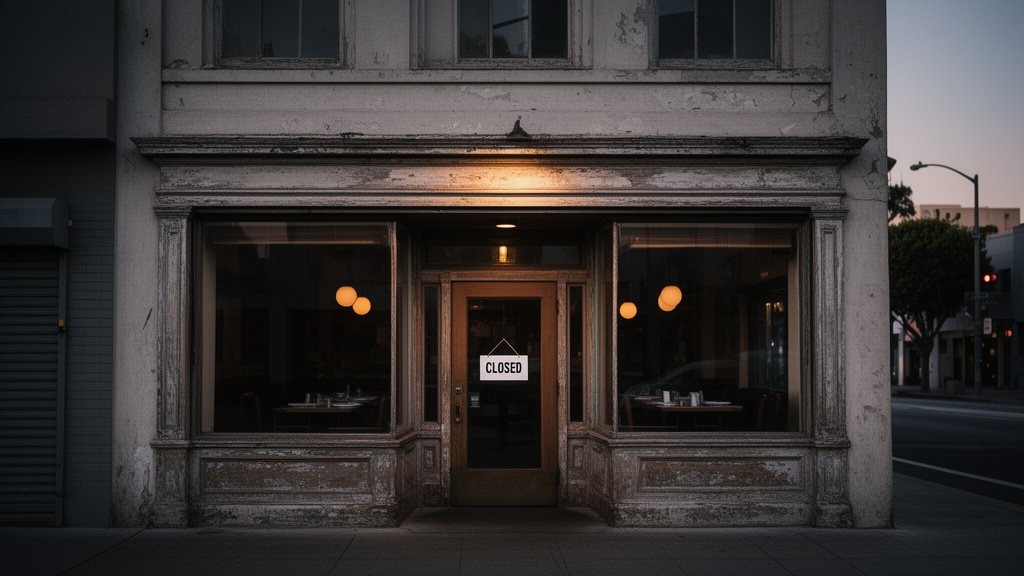
The Los Angeles culinary landscape suffered a significant blow this month as four long-standing institutions officially shuttered their operations. Among the most notable casualties of this wave of closures is The Belmont, an establishment that served the local community for 26 years before turning off its ovens for the final time at the end of August 2026. This trend of high-profile departures highlights a growing crisis within the Southern California hospitality sector, where the pressure of rising operational costs, fluctuating consumer behaviors, and complex real estate market dynamics are forcing even the most entrenched legacy businesses to confront an unsustainable reality. As the city bids farewell to these pillars of its dining culture, the broader narrative is one of a city in transition, caught between honoring its gastronomic heritage and adapting to the harsh economic climate of the mid-2020s.
Key Highlights
- The Belmont’s Departure: After 26 years in operation, The Belmont officially ceased all service on August 31, 2026, marking the end of a multi-decade run.
- Four Major Closures: The month saw the cumulative loss of four landmark Los Angeles restaurants, signaling a concerning trend for long-term independent dining.
- Economic Headwinds: Factors driving these exits include a combination of sustained inflationary pressure, labor cost escalations, and commercial rent instability.
- The Human Element: These closures represent more than just lost revenue; they signify the erosion of neighborhood “third places” that have anchored social fabric for a generation.
The Sunset of Service: Analyzing the August 2026 Restaurant Shift
The Belmont: Twenty-Six Years of LA History Ends
For over two decades, The Belmont was more than just a destination for food; it was a fixture of the Los Angeles neighborhood it called home. Serving as a backdrop for countless anniversaries, business deals, and casual weeknight dinners, its closure at the end of August 2026 leaves a palpable void in the local hospitality scene. Operating for 26 years is a feat rarely achieved in the fickle world of California dining. The sheer longevity of the establishment meant that it survived recessions, shifting food trends, and the fundamental overhaul of the industry post-2020. However, the final accounting at the end of this summer proved that historical goodwill is not a buffer against modern fiscal realities. Employees, regulars, and local food critics alike have spent the final days of the month documenting the history of the space, noting that the closure marks the passing of an era that valued consistency and traditional service models.
The Economics of Legacy Dining
The closure of The Belmont and three other legacy venues in a single month brings the economics of the LA restaurant scene into sharp relief. In the professional culinary sphere, there is a concept known as “legacy fatigue.” This is where long-term restaurants, which often operate on thinner margins and outdated business structures, become increasingly vulnerable to the aggressive economic shifts that characterize the mid-2020s. Inflation in the supply chain has hit restaurant owners particularly hard, with the price of essential proteins, produce, and imported dry goods rising at a rate that is often difficult to pass on to the customer without alienating a loyal but price-sensitive base. When these rising ingredient costs are compounded by the high administrative burden of maintaining an aging physical storefront, the math often stops working. The Belmont’s situation, while unique in its longevity, mirrors the challenges faced by independent operators who are forced to decide whether to compromise on quality to cut costs or close their doors with their reputations intact.
Labor, Rent, and the Hospitality Squeeze
Beyond the cost of goods, the labor market remains the primary friction point for restaurants. In 2026, the competition for skilled service staff, line cooks, and managerial talent has resulted in wage pressures that, while beneficial for workers, place intense strain on the traditional full-service restaurant model. When combined with the realities of Los Angeles commercial real estate—where property owners are often facing their own pressures to increase rents to match soaring property taxes and interest rates—the middle ground for a restaurant’s operating budget effectively disappears. For these four restaurants, the inability to renegotiate long-term leases that reflected current market valuations became the final nail in the coffin. In many cases, these businesses were operating on “legacy leases” that, once up for renewal, were subject to dramatic adjustments that the current business volume could not sustain.
The Culinary Evolution: Why Legacy Fails
There is also a sociological angle to these closures: the shift in how Los Angeles dines. The dining habits of the post-2026 consumer have diverged significantly from those of the early 2000s when The Belmont opened. Today’s market prioritizes experiential dining, high-turnover fast-casual concepts, and digital-first accessibility. Legacy restaurants, which often rely on a deep, expansive menu and a traditional, slower-paced service model, struggle to compete with agile, chef-driven pop-ups or niche concept restaurants that utilize lower overhead models. This is not to say that the public has lost its appetite for high-quality service; rather, the definition of “high quality” has moved toward hyper-specialization. Restaurants that try to be everything to everyone—a hallmark of the classic 26-year-old neighborhood spot—are finding it increasingly difficult to compete for the attention of a demographic that is constantly being courted by the “next big thing.”
The Aftermath: Neighborhood Identity and Displacement
The loss of four prominent restaurants in August alone sends a ripple effect through the local neighborhoods. Restaurants are the glue of the community; they provide spaces for gathering that do not exist in digital spaces. When a 26-year-old anchor like The Belmont closes, the neighborhood loses a piece of its identity. It creates a vacuum that is typically filled by either generic commercial chains or luxury residential developments, often leading to the homogenization of the urban landscape. Urban planners and local advocacy groups are watching this trend closely. If the city’s legacy institutions continue to fall, the character of Los Angeles itself risks being eroded, replaced by a series of transient, disposable retail spaces. The challenge for the remaining legacy operators will be to find the balance between tradition and adaptation—a tightrope walk that requires not just culinary excellence, but a radical approach to business resilience.