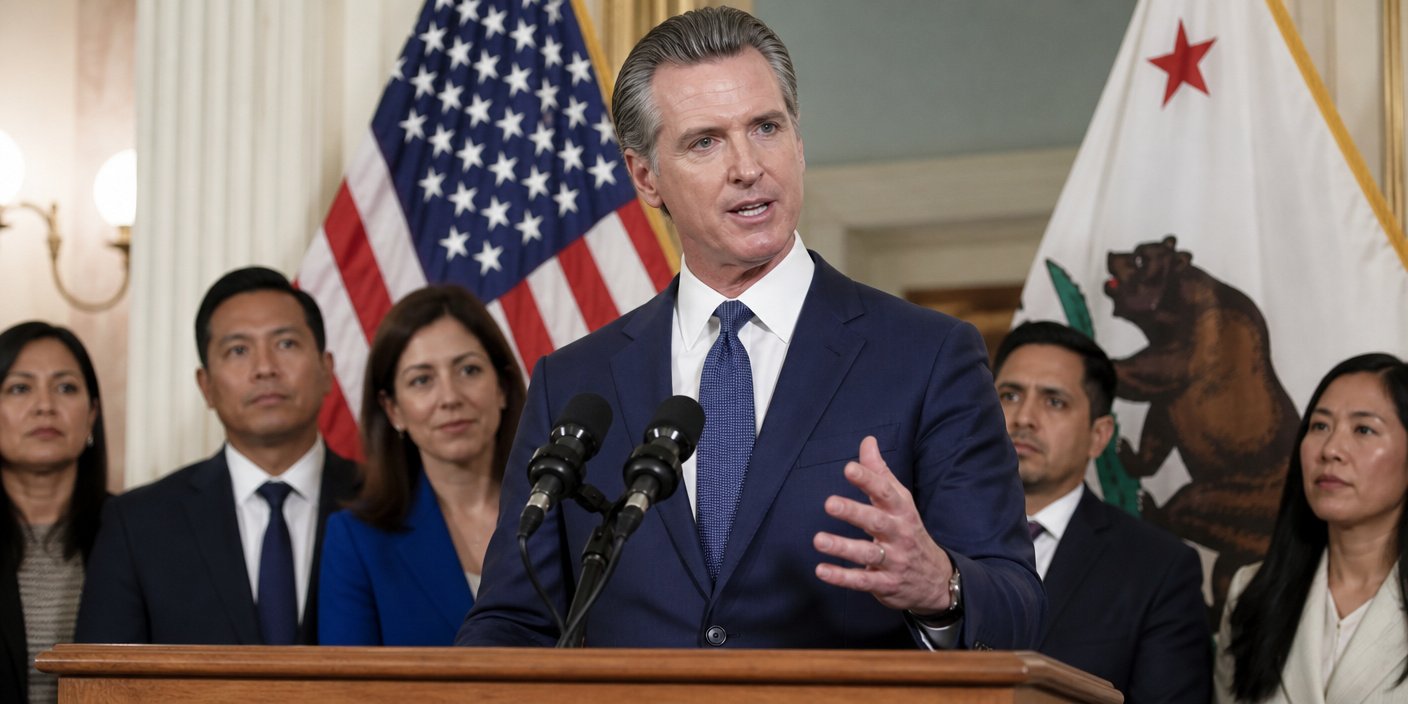
In a decisive move to curb the threat of devastating blazes and address systemic failures within the state’s energy sector, Governor Gavin Newsom has successfully brokered a three-party compromise on Senate Bill 492 (SB 492). This legislative agreement marks a significant turning point in California’s approach to wildfire management, forcing a recalibration of how utility providers are held responsible for damages while simultaneously expanding the safety net for those whose lives have been upended by fire. By uniting executive, legislative, and stakeholder interests, the bill aims to bridge the gap between infrastructure modernization and the immediate, urgent needs of fire-impacted communities.
Key Highlights
- Three-Party Consensus: A formalized agreement between the Governor’s office, key legislative leaders, and stakeholder groups ensures a unified path forward for SB 492.
- Enhanced Accountability: The bill introduces stricter oversight mechanisms for utility providers, linking rate adjustments directly to verified safety milestones and wildfire mitigation performance.
- Survivor-Centric Relief: SB 492 mandates the creation of an accelerated support fund, specifically designed to bypass bureaucratic hurdles for fire survivors seeking immediate aid.
- Grid Hardening Mandates: Utility companies are now legally required to meet aggressive timelines for grid hardening and vegetation management to prevent ignition risks.
- Regulatory Oversight: The California Public Utilities Commission (CPUC) has been granted expanded enforcement powers to levy fines and mandate operational changes based on the new statutory requirements.
The New Framework for Utility Accountability and Grid Resilience
The passage of the compromise version of SB 492 is not merely a legislative success; it is a critical defensive measure against an increasingly volatile climate. As California grapples with year-round wildfire threats, the intersection of aging electrical infrastructure and extreme weather events has become the state’s most pressing public safety challenge. This compromise addresses this by fundamentally altering the liability landscape for utilities while creating a more responsive regulatory environment.
Redefining Utility Liability and Oversight
Under the provisions of the new SB 492 framework, the era of passive accountability is effectively over. The compromise introduces a tiered liability system that prioritizes proactive risk reduction. Utility companies are no longer permitted to view fire-related damages as a standard cost of doing business. Instead, the bill requires the integration of real-time monitoring and sensor technology into the grid, with specific, legally binding milestones tied to these investments. Failure to hit these safety benchmarks will now trigger immediate, automatic reviews by the CPUC, potentially blocking rate increases or forcing the diversion of executive bonuses into safety reserves. This leverage is unprecedented, creating a direct financial incentive for utilities to prioritize fire prevention over short-term dividend yields.
The Human Element: Strengthening Survivor Support
Perhaps the most emotional aspect of the SB 492 compromise is the overhaul of survivor support mechanisms. Historically, wildfire survivors have faced a labyrinth of insurance claims, government bureaucracy, and legal battles that can stretch for years, exacerbating the trauma of displacement. The compromise codifies an “accelerated aid pathway.” This pathway creates a centralized state-run administrative office dedicated exclusively to facilitating the immediate needs of fire survivors—ranging from temporary housing and medical assistance to mental health services and legal aid—funded through a hybrid model of state grants and a designated utility-funded safety fee. This ensures that the financial burden of the state’s recovery efforts does not fall solely on the taxpayer, but is shared by the entities whose infrastructure contributed to the risk.
Economic Implications and Ratepayer Protection
One of the most contentious debates during the negotiation of SB 492 was the impact on ratepayers. Critics of previous wildfire legislation argued that the costs of grid hardening were being unfairly passed down to consumers. The compromise addresses this by implementing a “ratepayer safeguard” provision. Under this clause, utility companies are prohibited from recouping the costs of fines, legal settlements, or safety violations from ratepayers. Only investments in actual, verified safety infrastructure—as defined by independent safety auditors—can be eligible for cost-recovery. This distinction is vital; it shifts the burden of operational negligence away from the public and back onto the utility providers’ shareholders and insurance policies.
Historical Context: From Reactive to Proactive
To understand the magnitude of SB 492, one must look at the recent history of California’s wildfire crises. The 2017 and 2018 fire seasons revealed fatal flaws in the maintenance of transmission lines and vegetation management practices. For years, the state was trapped in a reactive cycle—utilities would pay for damages after the fact, and the state would scramble to pass emergency funding. SB 492 attempts to break this cycle by shifting the focus entirely to prevention. By mandating that 60% of all utility capital expenditures be directed toward grid hardening, the state is forcing a structural shift in how power is delivered. This is a “preventative-first” policy model that could serve as a blueprint for other states in the American West facing similar climate-driven risks.
The Future of Grid Resilience
Looking forward, the success of SB 492 hinges on the execution phase. The state has already begun soliciting bids for independent safety auditors who will be tasked with the rigorous oversight of utility infrastructure projects. This creates a secondary economic sector: a “fire-resilience industry” focused on advanced sensors, high-speed automated shut-off technologies, and AI-driven predictive fire modeling. As these technologies are deployed, the hope is that the “public safety power shutoff” (PSPS) events that have plagued California in recent years will decrease in frequency. The goal is to move toward a “surgical” shutoff capability, where only specific circuits are deactivated during high-wind events, rather than the broad, regional blackouts that have disrupted commerce and public life.
FAQ: People Also Ask
Q: How does SB 492 change the way utility providers pay for wildfire damages?
A: SB 492 prevents utility providers from passing the costs of fines or legal settlements for wildfire-related negligence onto ratepayers, ensuring that shareholders bear the financial consequences of safety failures.
Q: What is the primary role of the CPUC under this new legislation?
A: The California Public Utilities Commission (CPUC) is empowered with stricter oversight, allowing it to mandate operational changes, block rate increases, and verify that utilities are meeting specific, legally binding safety milestones.
Q: Does SB 492 provide immediate financial help to fire survivors?
A: Yes, it establishes an accelerated support fund designed to bypass traditional bureaucratic delays, providing faster access to housing, medical, and legal assistance for those affected by wildfires.
Q: Will this bill cause electricity rates to increase?
A: While investments in grid hardening will occur, the bill includes specific “ratepayer safeguard” provisions that protect consumers from paying for the utility’s negligence, limiting cost-recovery to verified safety infrastructure improvements.