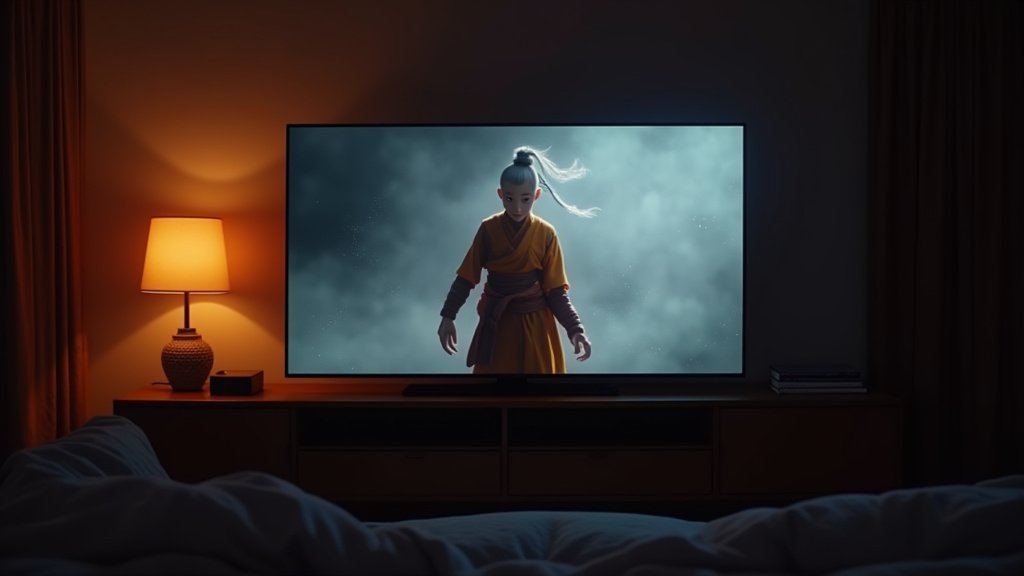
The streaming wars have entered a phase of legacy expansion, and few announcements have generated as much anticipation as the upcoming feature film, ‘Avatar Aang: The Last Airbender.’ Arriving on Paramount+ on July 25, this project represents more than just a new entry in a beloved franchise; it is a strategic maneuver by Paramount Global to capitalize on the sustained cultural relevance of the ‘Avatar’ universe. With the narrative picking up exactly 13 years after the conclusion of the original series, the film promises to bridge the gap between the nostalgic roots of the 2000s and the modern, sophisticated demands of today’s streaming audiences.
Key Highlights
- Premiere Date: ‘Avatar Aang: The Last Airbender’ officially arrives on Paramount+ on July 25.
- The Timeskip: The film explores the narrative landscape 13 years post-original series, offering a more mature perspective on Aang’s journey.
- Strategic Value: This release marks a cornerstone event for Avatar Studios, reinforcing Paramount+ as the definitive hub for the franchise.
- Industry Context: The move highlights the broader streaming trend of monetizing high-value IP with dedicated, multi-generational appeal.
The Evolution of the Avatar Universe
The decision to set the new film 13 years after the original series is a calculated narrative choice that aligns perfectly with the franchise’s maturing fanbase. When ‘Avatar: The Last Airbender’ first aired, it captured a generation with its blend of martial arts-inspired action, spiritual depth, and complex character growth. Now, those original viewers are in their 20s and 30s—a demographic that wields significant influence in the subscription economy. By advancing the timeline, creators are not merely relying on nostalgia; they are actively evolving the world to reflect the growth of its audience.
The Maturity of Animation
Modern animation has moved beyond the ‘for children only’ stigma, and ‘Avatar Aang’ is poised to capitalize on this shift. The 13-year gap allows for a re-exploration of world-building. Fans are eager to see how the geopolitical landscape of the Four Nations—the Earth Kingdom, Fire Nation, Water Tribes, and Air Nomads—has shifted in the aftermath of the Hundred Year War. Is the peace fragile? What institutional challenges does a grown Avatar face when the world is no longer in open conflict but dealing with the complex bureaucracy of reconstruction? These are themes that lend themselves to a more nuanced, sophisticated storytelling approach, mirroring successful trends seen in other major franchises like ‘Star Wars’ or the ‘Marvel Cinematic Universe.’
Avatar Studios: A Strategic Powerhouse
Underpinning this release is the foundational work of Avatar Studios, a dedicated division formed by Nickelodeon in 2021. This entity was created specifically to expand the Avatar franchise across various platforms. The July 25 release on Paramount+ serves as a proof-of-concept for the studio’s model: producing high-fidelity, event-driven animated features that act as ‘must-watch’ tentpoles for subscribers. This strategy combats subscriber churn by creating appointment viewing. When a platform offers a new, high-quality chapter of an existing, fan-favorite universe, it becomes significantly harder for users to cancel their monthly commitment.
The Competitive Streaming Landscape
Paramount+ is competing in a crowded field against the likes of Netflix, which famously hosted the live-action adaptation of the franchise, and Disney+, which dominates with Marvel and Star Wars. The ‘Avatar Aang’ film is a crucial differentiation point. While Netflix may have the live-action rights for specific iterations, Paramount+ is positioning itself as the ‘Home of the Avatar,’ leveraging the deep library of Nickelodeon classics and the new content pipelines from Avatar Studios. This vertical integration—owning the production studio, the distribution platform, and the historical IP—is a powerful competitive moat.
The Economics of Nostalgia
Economic analysis of the streaming sector suggests that ‘legacy IP’ (Intellectual Property) generates a higher return on investment compared to original, unproven concepts. The existing fanbase for ‘Avatar’ provides an immediate, built-in marketing machine. The viral potential of a new film, particularly one that honors the source material while advancing the plot, is immense. This film is expected to drive a surge in new sign-ups during the late-July window, as fans flock to the platform to witness the next chapter of Aang’s life.
FAQ: People Also Ask
Q: Is the new ‘Avatar Aang’ movie connected to the live-action series on Netflix?
A: No. The ‘Avatar Aang’ feature film is a production of Avatar Studios, which operates under the Paramount/Nickelodeon umbrella. It is a separate continuity from the Netflix live-action adaptation.
Q: Will the original voice cast return for this project?
A: While specific casting details are often kept under wraps until close to release, the production aims to honor the original series’ spirit, which typically involves bringing back essential creative talent from the franchise’s history.
Q: How does this film fit into the wider ‘Avatar’ franchise timeline?
A: The film is set 13 years after the end of the original series. This places Aang in early adulthood, providing a unique bridge between the original show and the subsequent ‘Legend of Korra’ era, allowing for new stories to be told in the intervening years.
Q: Can I watch this movie on other streaming services?
A: As of the announced premiere date, the film is a Paramount+ exclusive, reinforcing the platform’s role as the definitive destination for all things related to the Avatar universe.