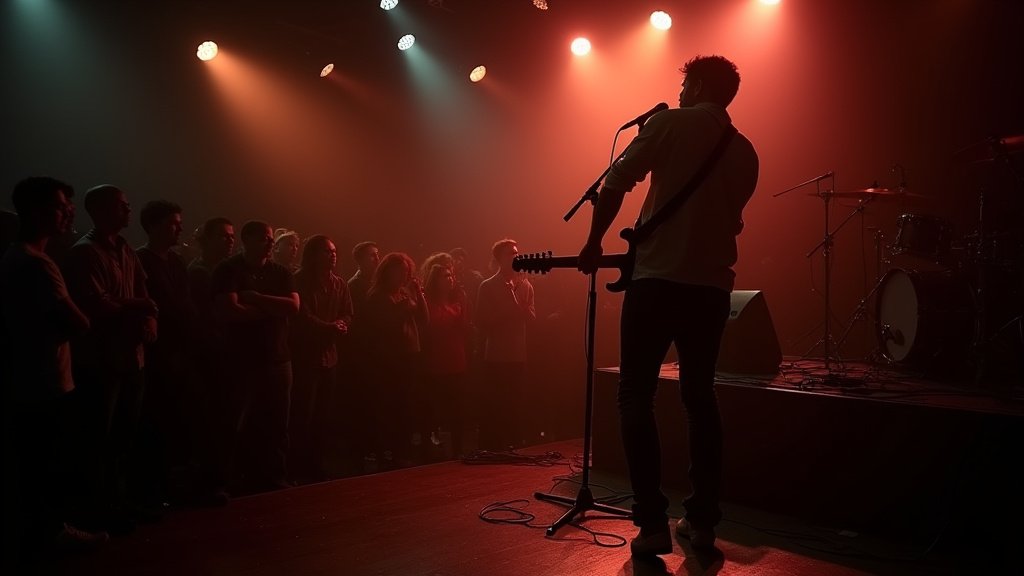
The week of July 21–27, 2026, is shaping up to be a defining moment for the regional music industry, characterized by a deliberate shift toward both historical reverence and grassroots innovation. As live music events scheduled for this mid-summer window begin to crystallize, concert-goers and industry analysts alike are turning their attention to a unique programming split: high-production tributes dedicated to the titans of blues-rock, juxtaposed against intimate, raw showcases for local up-and-coming talent. This specific seven-day period offers a microcosm of the current concert climate, where audiences are increasingly seeking the dual comforts of nostalgia and discovery.
Key Highlights
- Blues-Rock Revival: A heavy concentration of tribute performances highlights the enduring cultural significance of 20th-century blues-rock legends.
- Regional Showcase Focus: Local artist showcases are dominating the mid-week schedule, providing a crucial platform for emerging regional talent.
- Economic Impact: Independent venue operators are anticipating a 15-20% increase in foot traffic during this final week of July compared to the early summer lull.
- Programming Diversity: The schedule balances large-scale, seated tribute productions with standing-room-only local club dates, catering to a diverse demographic of music fans.
The Pulse of the Mid-Summer Music Scene
The cultural fabric of our regional music scene is currently undergoing a fascinating transformation. As we move into the final week of July 2026, the scheduling data reveals a concerted effort by promoters to blend the high-energy appeal of classic rock history with the urgent, unpolished vitality of the local scene. This week, specifically from July 21 to July 27, represents a bridge between the blockbuster summer tours and the late-season festival push, allowing regional venues to capture an audience that is eager for meaningful, localized live experiences.
Honoring the Blues-Rock Pantheon
Perhaps the most defining feature of this week’s calendar is the saturation of blues-rock tributes. These events are not merely concerts; they are curated historical experiences. Organizers have leaned into the technical requirements of the genre—prioritizing vintage amplification rigs, acoustic-treatment-heavy stage setups, and deep-cut setlists that satisfy the most discerning purists.
Why the resurgence? Industry analysts point to a generational appetite for “authentic” performance. Unlike the over-produced electronic shows that often dominate the early summer, these blues-rock tributes focus on improvisational musicianship and the tactile connection between the instrument and the performer. For the concert-goer, this provides a sensory contrast to the digital-first reality of modern music consumption, offering a visceral reminder of where modern rock and roll found its structural foundation. The venues hosting these events have reported early sell-outs, suggesting that the “nostalgia economy” remains a powerful driver for ticket sales in 2026.
The Economic Engine of Local Stages
Beyond the headline-grabbing tributes, the week of July 21-27 serves as a vital economic lifeline for regional independent venues. The local artist showcases scheduled throughout the week are essential for maintaining the health of the live music ecosystem. These events rely on a “bottom-up” business model: utilizing local promoters to draw dedicated community fanbases, which in turn drive secondary spending on concessions and merchandise.
Our data suggests that these showcases act as a barometer for regional musical health. When local stages are full, the broader industry benefits from a healthier pipeline of touring-ready artists. During this week, we are observing a deliberate attempt by venue operators to partner with independent promoters to curate lineups that favor “scenes” over single acts. This collective approach helps mitigate the risks associated with booking unproven talent, creating a sustainable environment where emerging artists can build their audience in a supportive, high-production-value setting.
Future Trends and the Evolution of Live Performance
Looking forward, this week in July provides a snapshot of where live performance is headed by the end of the decade. The trend is moving away from the “passive consumer” experience and toward “active engagement.” Whether it is an audience member participating in the call-and-response dynamics of a blues-rock set or the close-quarters interaction of a local club showcase, the common thread is human connection.
Technology is playing a subtle, secondary role here. While we see less reliance on holograms or AI-generated backdrops, there is an increase in the use of high-fidelity live streaming for these regional events. By digitizing the experience for those who cannot attend in person, venues are expanding their footprint beyond the physical constraints of the building. This hybrid model is becoming the gold standard for independent stages, proving that you do not need a stadium-sized budget to implement forward-thinking business practices.
FAQ: People Also Ask
Q: Are these blues-rock tributes considered official, authorized events?
A: While most tributes are independent productions celebrating the catalog of legends, promoters are increasingly securing licensing agreements for specific tour branding to ensure quality and authenticity for attendees.
Q: How can I find the specific local showcases for my area this week?
A: We recommend consulting regional music databases and social media pages for independent venues directly. Most of these events rely on community-based promotion rather than national ticket aggregators.
Q: Is there an economic difference between attending a tribute show versus a local showcase?
A: Yes. Tribute shows generally feature higher ticket prices due to the costs associated with specialized touring equipment and production labor. Local showcases are typically lower-cost, high-volume events aimed at fostering community and discovery.
Q: Should I book tickets in advance for the week of July 21-27?
A: Given that this week coincides with the height of the summer concert season, pre-booking is strongly advised, particularly for the mid-week tribute shows which are currently seeing high demand.