The Los Angeles County Department of Public Health has officially confirmed the first local death attributed to the West Nile virus for the 2026 mosquito season. The fatality follows the hospitalization of a resident from the San Fernando Valley, marking a concerning early-season milestone for regional public health officials. This development has triggered an immediate reassessment of vector control activities across the county, as health authorities urge residents to heighten their vigilance against mosquito exposure.
Key Highlights
- The Los Angeles County Department of Public Health confirmed the first WNV-related death of the 2026 season.
- The deceased individual was a resident of the San Fernando Valley, a region historically identified as a high-risk zone for mosquito activity.
- Health officials are emphasizing that this death serves as a critical reminder of the potential severity of WNV, particularly for vulnerable populations.
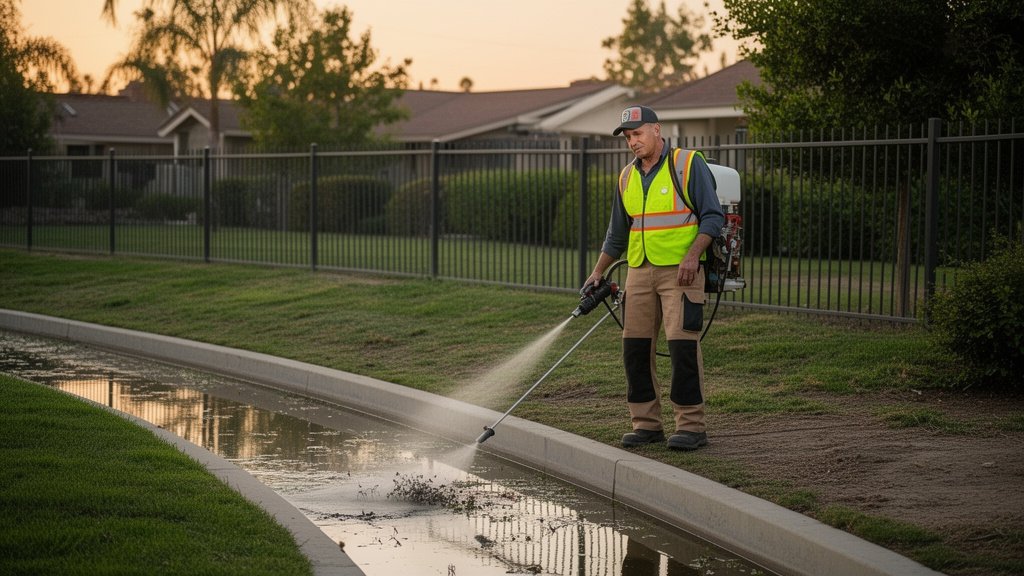
- Vector control agencies are accelerating abatement programs, focusing on drainage systems and standing water removal.
- Residents are advised to adhere to the “Drain, Dress, and DEET” protocol to mitigate infection risks.
The Resurgence of West Nile Virus in Southern California
The confirmation of the first West Nile virus (WNV) fatality of 2026 underscores the persistent and shifting nature of the virus in Southern California. While WNV has been endemic to the region for decades, the timing and location of this case—the San Fernando Valley—draw attention to the specific environmental and ecological factors that favor the breeding of Culex mosquitoes. These insects act as the primary vectors for the virus, and their lifecycle is intimately tied to the regional climate patterns, water management, and urban infrastructure.
Understanding the Vector Dynamics
The virus does not circulate in humans primarily; humans are considered ‘dead-end hosts.’ The cycle begins with birds, which act as the reservoir. Infected mosquitoes then bite birds and subsequently humans. In the San Fernando Valley, the combination of urban heat island effects and varied irrigation practices creates an ideal breeding ground for the Culex mosquito species. Unlike daytime-biting species, Culex mosquitoes are most active during the twilight hours—dawn and dusk—when human activity outdoors is frequent. This specific behavioral pattern necessitates targeted behavioral changes from the public, particularly as temperatures begin to climb in the 2026 season.
Clinical Perspectives on Neuroinvasive Disease
It is important to note that the majority of human WNV cases are asymptomatic or present with mild, flu-like symptoms. However, approximately 1 in 150 people who are infected develop a severe, sometimes fatal, illness affecting the central nervous system, known as neuroinvasive disease. This can manifest as encephalitis (inflammation of the brain) or meningitis (inflammation of the membranes surrounding the brain and spinal cord). The tragedy in the San Fernando Valley highlights the most severe end of this spectrum. Public health experts reiterate that older adults and individuals with compromised immune systems are at a disproportionately higher risk of developing these life-threatening complications. The hospitalization of the deceased resident prior to their passing illustrates the rapid and often unpredictable progression of severe WNV cases.
Regional Response and Vector Control
In response to this fatality, the Greater Los Angeles County Vector Control District (GLACVCD) has intensified its surveillance and eradication efforts. This involves localized monitoring of ‘sentinel’ chickens—which are tested for WNV antibodies to track virus movement—as well as the deployment of mosquito abatement agents in identified hotspots. The objective is to disrupt the breeding cycle before the population of adult mosquitoes peaks. Local officials are reminding property owners that a significant portion of mosquito breeding sites are found in domestic environments. Water stored in neglected birdbaths, planters, saucers, and tires can produce thousands of mosquitoes in a single week. The county’s response strategy is currently shifting from a general seasonal alert to a proactive, targeted intervention in the valley area.
The Future of WNV Prevention
As we look forward into the remainder of the 2026 season, the primary public health tool remains education. The “Drain, Dress, and DEET” campaign is the standard operating procedure: Drain standing water, dress in long sleeves and pants during dusk and dawn, and use EPA-registered repellents like DEET, Picaridin, or Oil of Lemon Eucalyptus. The challenge for 2026, as in previous years, is community compliance. As climate patterns shift and Southern California experiences volatile weather changes, the windows for mosquito activity are expanding. Experts predict that without sustained public cooperation in eliminating backyard breeding sources, the risk of transmission will remain elevated throughout the summer and early autumn months. This first death is a grim metric of the potential lethality of the virus, serving as a catalyst for renewed public attention on an often-underestimated seasonal threat.
FAQ: People Also Ask
1. What are the early symptoms of West Nile virus?
Most people infected with WNV will not show symptoms. For those who do, symptoms typically appear 3 to 14 days after the bite and include fever, headache, body aches, joint pains, vomiting, diarrhea, or rash. In severe cases, high fever, neck stiffness, stupor, disorientation, coma, tremors, convulsions, muscle weakness, and paralysis may occur.
2. Should I be concerned about every mosquito bite?
While not every mosquito carries the virus, the presence of WNV in the area means you should treat every bite as a potential risk. Using EPA-registered insect repellent is the most effective way to protect yourself. It is not necessary to panic, but it is necessary to be vigilant about standing water and personal protection, especially during dawn and dusk.
3. How can I report a neglected mosquito breeding source?
If you notice significant standing water in your neighborhood—such as an abandoned pool or a neglected public drainage area—you should contact the local Vector Control District immediately. They have the authority to inspect these sites and apply biological or chemical treatments to prevent mosquito larvae from developing.
4. Is there a vaccine for West Nile virus?
Currently, there is no vaccine available for humans to prevent West Nile virus infection. Medical treatment for severe cases is supportive, meaning it focuses on hospital care to manage symptoms, such as intravenous fluids and respiratory support, rather than curing the virus itself.