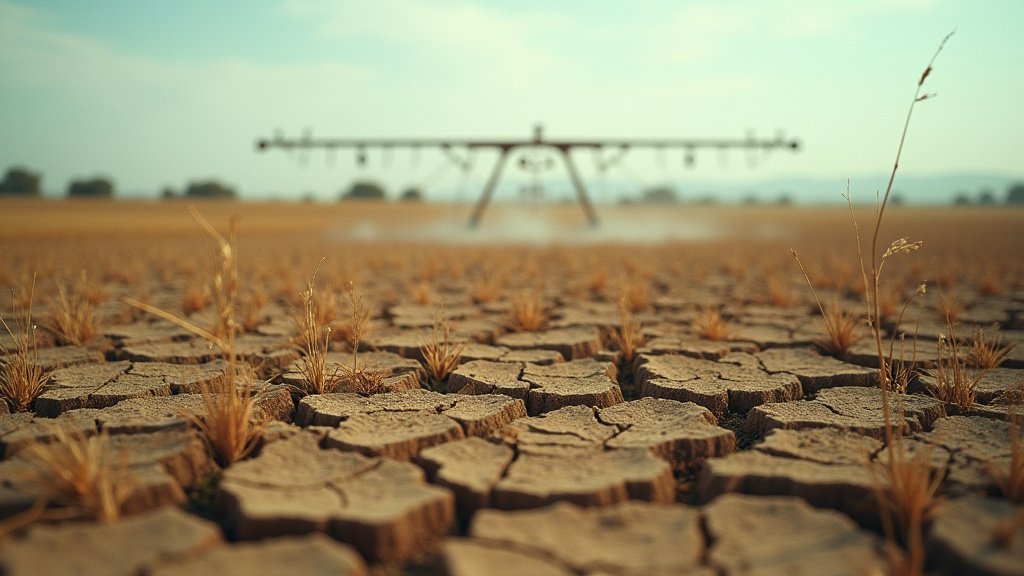
California is facing its most severe drought in over a decade, with key reservoirs dipping to alarmingly low levels. The dry conditions are straining water resources across the state, impacting agriculture, urban supply, and ecosystems.
Key Highlights:
- State’s largest reservoirs, including Shasta and Oroville, are at historic lows.
- Agricultural sector faces significant water cutbacks, threatening crop yields.
- Recent precipitation has been insufficient to alleviate the deepening crisis.
- Water conservation measures are being intensified statewide.
- The long-term outlook remains concerning without substantial, sustained rainfall.
The Deepening Water Crisis
The Golden State is grappling with a relentless drought, now considered one of the most severe on record. Projections from the California Department of Water Resources indicate that the combined storage in the state’s major reservoirs is at critically low levels, far below the average for this time of year. This scarcity is a direct consequence of critically low snowpack in the Sierra Nevada mountains, which acts as a natural reservoir, and a deficit in precipitation over the past several years. The lack of substantial rainfall and runoff means less water is flowing into these vital storage systems, setting the stage for widespread shortages.
Impact on Agriculture
The agricultural industry, a cornerstone of California’s economy, is bearing the brunt of these water restrictions. Farmers across the Central Valley and other major growing regions are facing unprecedented water cutbacks. Many are being forced to fallow fields, reduce acreage, or switch to less water-intensive crops. This has significant implications for food production, commodity prices, and the livelihoods of thousands of agricultural workers. The long-term viability of certain crops in water-scarce regions is now being called into question, prompting a need for innovative irrigation techniques and drought-resistant farming practices.
Urban Water Supply and Conservation
Urban areas are also implementing stringent water conservation measures. Water agencies are urging residents and businesses to reduce their water usage, with many cities enforcing mandatory restrictions on outdoor watering, car washing, and other non-essential water uses. While the state’s vast urban population has become more efficient with water use over the years, the current deficit presents a significant challenge. The reliance on groundwater has also increased, raising concerns about long-term aquifer depletion and land subsidence.
Ecological Ramifications
The ecological consequences of the prolonged drought are dire. Rivers and streams are running at critically low levels, impacting fish populations, particularly salmon, which require specific water temperatures and flows for migration and spawning. Wetlands that serve as crucial habitats for migratory birds are shrinking, threatening biodiversity. The risk of wildfires also intensifies significantly during dry periods, posing a threat to natural landscapes and communities alike.
Looking Ahead: Long-Term Solutions
Experts emphasize that addressing California’s water challenges requires a multi-faceted approach. This includes investing in water storage infrastructure, promoting water recycling and desalination technologies, improving water use efficiency across all sectors, and implementing policies that encourage sustainable groundwater management. Furthermore, the ongoing effects of climate change are expected to exacerbate drought conditions in the future, making adaptive strategies and resilient water management systems paramount.
FAQ: People Also Ask
What are the main sources of water for California?
California’s water supply primarily comes from its rivers, lakes, and reservoirs, which are replenished by snowmelt from the Sierra Nevada mountains and rainfall. Groundwater extraction also plays a significant role, particularly in agricultural regions. A portion of the state’s water is also imported from the Colorado River.
How is the drought affecting electricity generation?
The drought impacts hydroelectric power generation, as lower reservoir levels mean less water is available to turn the turbines. This can lead to increased reliance on other, often more expensive or carbon-intensive, forms of energy.
Are there any federal disaster declarations related to the drought?
Yes, federal disaster declarations can be made to provide assistance for drought-related damages and losses, which can include aid for agricultural producers and funding for water management projects.
What are the long-term consequences if the drought persists?
If the drought persists, consequences could include further reductions in agricultural output, permanent damage to ecosystems, increased competition for water resources, greater risk of devastating wildfires, and potential economic downturns in affected regions.
How can individuals help conserve water during a drought?
Individuals can help by taking shorter showers, fixing leaks promptly, using water-efficient appliances, watering lawns and gardens only when necessary and during cooler parts of the day, and avoiding unnecessary water use like washing cars or sidewalks.