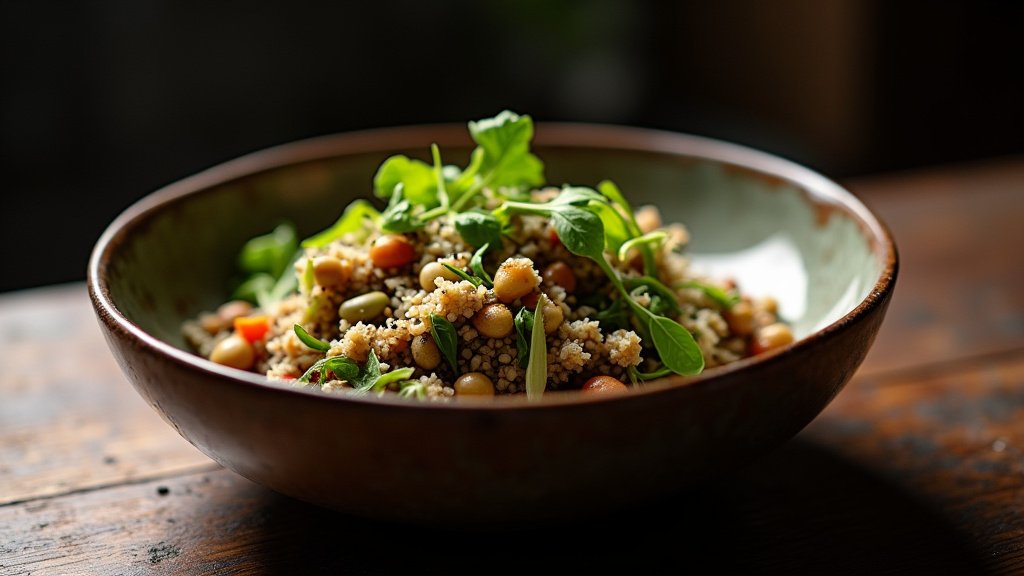
As we navigate the mid-point of 2026, the Los Angeles food scene is no longer defined by the fleeting viral trends of the social media era, but by a grounded, almost paradoxical movement: the convergence of high-tech functional nutrition and deep-rooted ancestral heritage. From the sun-drenched patios of Silver Lake to the high-end tasting menus of Beverly Hills, the city’s culinary narrative has shifted. Diners are no longer asking simply for ‘healthy’ options; they are demanding ‘metabolic insurance,’ a trend manifesting through the aggressive rise of fiber-dense whole foods and a surprisingly bold comeback of traditional animal fats. This shift—fueled by economic uncertainty and a collective desire for comfort—has turned the L.A. restaurant industry into a laboratory of nostalgia, where chefs are remixing the past to build a more resilient, satisfying future.
Key Highlights
- The Tallow Takeover: Refined seed oils are rapidly losing their grip on professional kitchens, replaced by beef tallow for its superior smoke point, rich flavor profile, and perception as a ‘clean,’ ancestral fat.
- Fibermaxxing: Gut health has evolved from a digestive concern to a foundational culinary goal. Fiber is moving from the sidelines to the center of the plate, with chefs highlighting beans, artichokes, and legumes as gourmet ingredients.
- Nostalgia as a Strategy: In an era of economic caution, comfort foods—specifically individual portions and elevated takes on childhood favorites—are dominating menus as a form of accessible luxury.
- The Diasporic Influence: Southern California’s diverse food scene is increasingly highlighting cuisines shaped by displacement and migration, such as Haitian and Palestinian influences, bringing complex, authentic narratives to the local palate.
The Ancestral-Digital Convergence: Redefining Modern Nutrition
The 2026 Los Angeles dining experience is defined by a tension between the futuristic—think AI-optimized nutrition and lab-grown sustainability—and the deeply ancestral. We are witnessing a rejection of the ‘ultra-processed’ era that dominated the late 2010s and early 2020s. Today, the most prestigious menus in the city are focusing on ingredients that our ancestors would recognize, but prepared with the technical precision of modern gastronomic innovation.
The Tallow Renaissance
Perhaps the most visible shift on the plate is the ‘Tallow Takeover.’ For years, vegetable and seed oils (canola, soybean, sunflower) were the industry standard due to their low cost and neutral flavor. However, a growing body of consumer skepticism regarding inflammation and processing has triggered a mass migration back to animal fats. In Los Angeles, this is being treated with the same reverence as single-origin olive oil. Top-tier restaurants are now branding their use of grass-fed beef tallow for frying potatoes, searing proteins, and even incorporating it into baked goods. This isn’t just a nostalgic nod; it’s a culinary upgrade. Tallow offers a superior crisp and a rich, savory depth that seed oils simply cannot replicate. The trend has even bled into the retail space, with artisanal tallow products becoming a staple in high-end grocers across the city, positioning it as the ‘new gold’ of the pantry.
Fibermaxxing: From Obligatory to Aspirational
While protein was the singular focus of the early 2020s, 2026 marks the year of the fiber. ‘Fibermaxxing’ is the term gaining traction among dietitians and chefs alike, describing a culinary approach where fiber is treated as a foundational nutrient rather than a corrective measure for digestion. This trend is moving beyond the bland supplements of the past. Chefs are elevating humble, fiber-rich ingredients—artichokes, lentils, ancient grains, and cruciferous vegetables—into the star attractions of their dishes. We are seeing a boom in pre-biotic-focused appetizers and fiber-enhanced pastas that maintain the texture of traditional refined flour but offer the metabolic benefits of whole foods. It is a win-win for the health-conscious consumer who refuses to sacrifice flavor for functionality.
The Psychology of Comfort and Economic Resilience
Beyond the specific ingredients, the ‘vibe’ of 2026 L.A. dining is unmistakably nostalgic. There is a palpable shift in the collective consumer consciousness: when the world feels unpredictable—economically or geopolitically—the dinner table becomes the final bastion of certainty. This has led to a surge in ‘comfort-first’ dining, but with a refined, 2026 twist.
Comfort as Economic Strategy
Economic strain in the first half of 2026 has forced consumers to be more deliberate with their spending. Gone is the appetite for overpriced, overly complex conceptual dining that characterized the post-pandemic boom. Instead, we see a rise in ‘accessible luxury.’ This is best exemplified by the popularity of individual cake slices, mini-meals, and small-format indulgences. These items offer the gratification of a treat without the massive financial commitment or caloric density of a full-course meal. It is a way for diners to participate in the ‘good life’ while remaining financially agile.
Diasporic Cuisines and Global Narratives
Simultaneously, the demand for ‘authentic comfort’ has driven a deeper exploration into diasporic cuisines. Los Angeles, a melting pot of global cultures, is uniquely positioned here. We are seeing a rise in restaurants that tell the stories of populations displaced by conflict or colonization. The cuisine of the Palestinian, Haitian, and Puerto Rican diasporas is entering the spotlight, not as a trend, but as a permanent, influential fixture. These foods are inherently nostalgic, deeply connected to history and home, and satisfy the consumer craving for ‘real’ food with a story behind it. It aligns perfectly with the broader trend of seeking value and meaning in every bite.
The Future: Culinary Intelligence
Looking forward, the integration of these trends suggests a more sustainable and deliberate food ecosystem. The technology behind our food is becoming invisible, while the soul of the food is becoming louder. Whether it’s a bowl of artisanal tallow-fried chips or a fiber-dense, nutritionally optimized pasta, the goal for 2026 is clear: diners want food that tastes like a memory but functions like medicine.
FAQ: People Also Ask
1. What is ‘Fibermaxxing’ and why is it trending in 2026?
Fibermaxxing is the culinary trend of prioritizing fiber-dense ingredients in cooking to support gut health, stabilize blood sugar, and increase satiety. It is trending because consumers are shifting focus from simple protein counting to overall metabolic health.
2. Why is beef tallow replacing seed oils in L.A. restaurants?
Beef tallow is being adopted due to consumer demand for ancestral, less-processed fats. It provides a superior, rich flavor profile and high smoke point, and it aligns with the ‘clean label’ movement that rejects highly refined seed oils.
3. How does the current economic climate affect L.A. food trends?
The economic climate is driving a move toward ‘accessible luxury.’ Consumers are favoring smaller portions, comfort foods, and nostalgic dishes that provide an emotional boost without requiring a significant financial outlay or leading to food waste.
4. Are these trends likely to stick beyond 2026?
While specific fads come and go, the focus on gut health (fiber) and ingredient transparency (tallow/clean fats) represents a fundamental shift in consumer behavior that is likely to impact product formulation and menu development for the foreseeable future.