In a decisive courtroom development on Thursday, April 16, 2026, Yolo County Superior Court Judge Daniel P. Maguire opted to maintain current bail conditions for the defendants implicated in the catastrophic July 2025 fireworks warehouse explosion. As the legal proceedings move forward, the decision ensures that several of the individuals charged in connection with the deaths of seven employees will remain in custody, underscoring the severity of the charges—which include second-degree murder—stemming from one of the most significant pyrotechnic disasters in California history. The hearing, which drew family members of the victims, marks a pivotal moment in a case that has ignited public outcry regarding regulatory oversight and the dangerous, hidden operations of illegal fireworks storage in rural Yolo County.
Key Highlights
- Bail Status Quo: Judge Daniel P. Maguire denied motions to reduce bail, keeping primary suspects held in Yolo County custody pending further proceedings.
- Second-Degree Murder Charges: Several defendants, including former Sheriff’s Lt. Sam Machado and business owners associated with Devastating Pyrotechnics, face felony charges including second-degree murder.
- Victims’ Families Speak: Family members of the seven employees killed in the July 1, 2025, explosion attended the hearing, expressing profound grief and a demand for full accountability.
- Regulatory Failures: The case has exposed a decade-long history of illegal operations that allegedly occurred “in plain sight,” raising serious questions about local government and fire district oversight.
- Next Steps: The court has reset the schedule for further proceedings, with attorneys now preparing for complex pre-trial arguments as the community continues to grapple with the tragedy.
Seeking Justice: The Legal Fallout of the Esparto Tragedy
The air in the Yolo County Superior Courtroom was thick with tension on Thursday as Judge Daniel P. Maguire addressed the legal teams representing the six indicted individuals. The courtroom, often a site of procedural bureaucracy, became a stage for the raw emotions of families who lost loved ones in the Esparto fireworks explosion. For the victims’ relatives, the decision to keep the bail amounts in place was a small but necessary step toward the accountability they have been seeking since the inferno claimed seven lives on July 1, 2025.
The April 16 Courtroom Proceedings
During Thursday’s hearing, the procedural landscape was complex. With multiple defendants represented by different legal counsel—some of whom have faced recent turnover—the logistics of moving the case toward trial are daunting. Sam Machado, a former Yolo County Sheriff’s lieutenant who owned the facility where the fireworks were stored, appeared in court in custody, entering a plea of not guilty to second-degree murder charges.
Machado’s presence in the courtroom, alongside other key figures such as Jack Lee of the San Francisco-based Devastating Pyrotechnics and Craig Cutright of Blackstar Fireworks, highlighted the varied roles prosecutors allege in the incident. Judge Maguire’s refusal to adjust the bail, despite defense arguments, signals the court’s acknowledgment of the flight risk and public safety concerns inherent in such grave criminal charges. The hearing was livestreamed, allowing a wider public audience to witness the beginning of what is expected to be a long and arduous legal battle.
The July 1, 2025 Tragedy: A Failure of Oversight
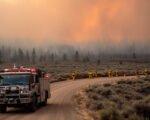
The incident that brought these individuals to court was not a sudden accident, but rather, according to investigators, the culmination of years of unchecked illegal activity. On July 1, 2025, the Esparto fireworks storage facility became a death trap. The resulting explosion, which sparked a 78-acre wildfire, killed seven workers. Subsequent investigations revealed that the facility was housing nearly one million pounds of illegal explosives.
The tragedy has prompted uncomfortable questions about how a business of this scale could operate within a small farming community without triggering alarms. Residents and victims’ families have pointed to a “failure of the system,” noting that the site had allegedly been operating for nearly a decade without proper licensing or oversight. The involvement of a former Yolo County Sheriff’s lieutenant as a primary property owner has particularly infuriated the public, leading to accusations that law enforcement connections may have been used to shield the illegal operation from regulatory scrutiny.
The Defendants: Charges and Connections
The legal team for the prosecution is building a broad case, casting a wide net of liability. The indictments are not limited to the property owners; they include a web of individuals connected to the logistics of the fireworks supply chain.
- Samuel Machado: A former Yolo County Sheriff’s Lt., accused of facilitating the storage and exploiting his position.
- Tammy Machado: Facing separate charges including mortgage fraud, tax evasion, child endangerment, and animal cruelty.
- Kenneth Chee: Owner of Devastating Pyrotechnics, currently awaiting extradition from Florida.
- Jack Lee & Douglas Tollefsen: Associated with Devastating Pyrotechnics, both charged with second-degree murder.
- Craig Cutright: Owner of Blackstar Fireworks, also a volunteer firefighter, facing felony conspiracy and explosives-related charges.
This interconnected group of individuals represents a complex web of corporate and personal responsibility. The prosecution’s strategy, which includes second-degree murder charges for multiple defendants, demonstrates an intent to prove that the suspects were not merely negligent, but knowingly engaged in criminal activities that created a lethal environment.
Victims and Families: The Demand for Accountability
Perhaps the most compelling element of the Thursday proceedings was the presence of the victims’ families. For many, this was their first opportunity to see the accused in person since the tragedy. Attorney Ramin Younessi, representing families including the Ramos family—who lost two sons, Jesus and Jhony—described the hearing as an initial step toward justice.
“He lost two sons,” Younessi noted, emphasizing the pain that permeates the community. Outside the courtroom, family members expressed frustration not just with the legal process, but with the years of negligence that allowed the facility to thrive. The narrative from the victims’ side is consistent: this was a preventable tragedy that occurred in plain sight, with many people in positions of power reportedly turning a blind eye to the blatant violations of safety codes and laws.
The Legal Road Ahead: Challenges for the Prosecution
While the prosecution has successfully established the basis for serious charges, the road to a verdict will be complex. The defense teams are likely to argue the nuances of knowledge and intent. For example, did the individual business owners truly understand the extent of the risks involved, or were they operating within a gray market they believed was sanctioned? Furthermore, the procedural delays in this case—including the need for new counsel for some defendants and the ongoing extradition of others—highlight the massive coordination required to bring this case to trial.
Judge Maguire’s decision to reset court schedules for next week indicates that he is keen to maintain momentum. However, the sheer number of defendants and the volume of evidence regarding the million pounds of explosives suggest that this trial will dominate the Yolo County judicial docket for months, if not years, to come.
Broader Regulatory Implications
Beyond the courtroom, the Esparto explosion serves as a grim case study for fireworks regulation in California. The tragedy has already ignited calls for legislative reform in Sacramento. If a facility could hide one million pounds of explosives for ten years, what other facilities exist in the rural corners of the state that are flying under the radar? The state fire marshal’s investigation, which identified “illegal fireworks operations” as the root cause, has provided a roadmap for potential future oversight, but for the families of the seven victims, those reforms are cold comfort for the loss of their loved ones.
The legal proceedings, while focused on the individual culpability of the defendants, are effectively a proxy for a much larger public accounting. The community is watching to see if the legal system can hold those with power—such as law enforcement and business leaders—to the same standard of justice as any other citizen. As the case proceeds to the next phase, the focus will undoubtedly remain on the evidence of how this facility was allowed to operate and whether the current bail status will remain intact as trial dates are formally set.
FAQ: People Also Ask
Q: Why was the bail not reduced for the Esparto fireworks defendants?
A: Judge Daniel P. Maguire chose to keep the original bail amounts in place, likely citing the severity of the charges, which include second-degree murder, and the potential risk to public safety. The court is focused on ensuring the defendants return for their scheduled trial dates.
Q: Who are the key defendants in this case?
A: The defendants include former Yolo County Sheriff’s Lt. Samuel Machado and his wife Tammy Machado; Craig Cutright of Blackstar Fireworks; and individuals associated with Devastating Pyrotechnics, including Jack Lee, Douglas Tollefsen, Kenneth Chee, and Gary Chan.
Q: What are the main charges the defendants are facing?
A: The charges are significant and include second-degree murder, conspiracy, and various explosives-related offenses. Tammy Machado is also facing separate charges related to mortgage fraud, tax evasion, and animal cruelty.
Q: How many people died in the Esparto fireworks explosion?
A: Tragically, seven people lost their lives in the July 1, 2025, explosion, which also ignited a 78-acre wildfire.
Q: When will the defendants return to court?
A: Judge Maguire has reset the court schedule for further proceedings, with the next major hearings slated for the week of April 22.