The search for the perfect bagel in California has long been a pursuit dominated by the artisanal storefronts of Los Angeles and the trendsetting bakeries of the Bay Area. However, a seismic shift has occurred, moving the epicenter of West Coast carb culture away from the historic streets and into an unlikely, nondescript office park in Irvine. Rise Bagels, a newcomer that only opened its doors last November, has defied industry expectations by securing the coveted “Best of the West” title at the recent, high-stakes BagelFest West. This victory does more than just award a local business; it signals a fundamental change in how Californians perceive suburban dining and sets a new, high-bar standard for bagel craftsmanship in a region that has spent years fighting the “New York-style” stereotype.
Key Highlights
- The Upset: Rise Bagels, located in the Centerview office complex in Irvine, CA, won the “Best of the West” award at the inaugural West Coast BagelFest.
- Culinary Innovation: Chef-owner John Park, a veteran of Orange County dining, developed his unique, airy bagel dough while researching pizza crusts.
- Creative Fusion: The menu features standout items like the Tokyo-style egg salad open-faced sandwich and a unique, fruit-topped bagel featuring Harry’s Berries strawberries.
- The ‘Nondescript’ Trend: The victory underscores a broader movement where high-quality, boutique food destinations are increasingly finding homes in non-traditional corporate spaces.
The Evolution of the West Coast Bagel Scene
For decades, the standard for a “great” bagel was static, fixed by the gravitational pull of New York City’s long-standing institutional bakeries. The narrative was simple: boiled, baked, dense, and preferably sold in a shop that hadn’t renovated since the 1970s. When critics began suggesting in 2021 that California might actually hold the crown for the best bagels in the country, the culinary world erupted in a predictable cycle of outrage and debate. However, as the initial shock subsided, it became clear that a new, distinctively Californian school of bagel-making was emerging. This wasn’t a carbon copy of the East Coast style; it was a reimagining of the medium.
Rise Bagels sits at the current peak of this evolution. The “Best of the West” award, judged by industry heavyweights like chef Ari Kolender and pastry chef Sherry Yard, suggests that the market is no longer looking for traditional imitation. Instead, they are rewarding texture, innovation, and a willingness to utilize California’s world-class local produce. The rise of competitors like Rise Bagels demonstrates that the West Coast has moved past the “imposter” phase of its bagel journey and into a period of genuine, confident invention.
The Anatomy of the Rise Bagel
To understand why an office park bagel shop is garnering such attention, one must look at the technical process behind the product. John Park, the chef-owner, came to this outcome through a somewhat serendipitous path. While developing a dough profile for an entirely different, pizza-focused concept, Park stumbled upon a technique that yielded a bagel that is strikingly different from the dense, chewy, or sometimes tough bagels associated with the East Coast.
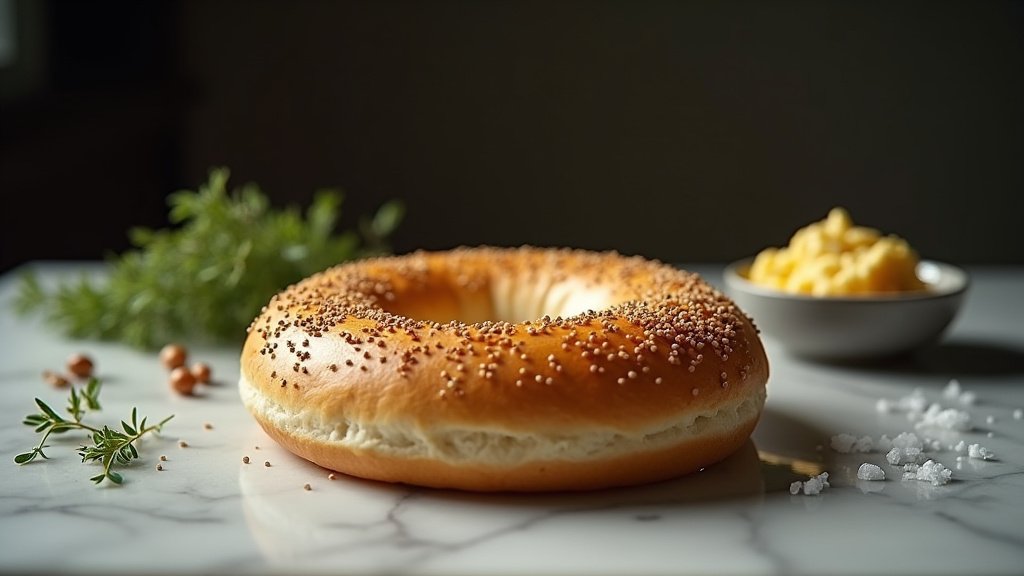
Park’s bagels are characterized by a light, airy crumb and a crisp, well-developed shell. It is a technical departure from the “chew-heavy” profile that often causes jaw fatigue. This isn’t just a stylistic choice; it is an optimized culinary decision. By focusing on a lighter profile, Park allows the secondary ingredients—the schmears, the fresh, seasonal berries, or the savory egg salads—to play a larger role in the flavor profile. The result is a more balanced sandwich experience. In the words of the competition judges, the bread structure at Rise is a masterclass in modern baking, favoring a balance of moisture and crunch that holds up under the weight of high-end toppings without turning into a heavy, doughy mess.
The Corporate Oasis: A New Third Space
Perhaps the most compelling angle of the Rise Bagels story is its location. The Centerview complex in Irvine is a bustling, two-tower high-rise environment—a quintessential corporate environment. In the past, such locations were often the domain of chain coffee shops or grab-and-go convenience stalls designed purely for efficiency. The success of a high-end, award-winning concept in this environment speaks to the changing nature of the “Third Space” in suburban business districts.
Employees and residents are no longer satisfied with lackluster, mass-produced office catering. There is a hunger, quite literally, for high-quality, artisanal food experiences that are accessible during the workday. Rise Bagels serves as a bridge, providing a “destination dining” experience within a commute. By planting a flag in a nondescript office park, the brand has effectively transformed a corporate, utilitarian environment into a culinary waypoint. This model, often seen in cities like Tokyo or Seoul where high-end food is integrated into transit and office hubs, is gaining traction in Southern California. It challenges the assumption that the most interesting food must be located in trendy, high-foot-traffic retail corridors.
The Future of Fusion Bagels
What sets Rise apart from the crowded field of LA bagel shops is its unapologetic embrace of fusion. The Tokyo-style egg salad, which features a nuanced, umami-rich profile that contrasts with the sweetness of the dough, is a perfect example of how the bagel can be used as a canvas rather than just a vehicle for cream cheese. Similarly, the fruit-focused bagel, incorporating Harry’s Berries and a beet-strawberry ganache, pushes the boundaries of breakfast pastry into the realm of high-end confectionery.
This willingness to experiment is what the industry calls the “California Effect.” It is a refusal to be bound by the rigid, prescriptive rules of heritage baking. While New York may cling to the tradition of the plain-or-everything bagel, California is busy exploring how far the medium can bend. The success of these items at the competition level suggests that the consumer palate is shifting toward complexity and surprise. As the West Coast bagel scene continues to mature, we are likely to see more bakeries adopting this experimental mindset, moving further away from the classic schmear-and-lox routine and toward more distinct, Chef-driven culinary expressions.
FAQ: People Also Ask
1. What makes Rise Bagels different from traditional New York-style bagels?
Rise Bagels focuses on a lighter, airier crumb with a crisp shell, intentionally deviating from the dense, chewy texture typical of traditional East Coast bagels. This allows for a more delicate bite and better integration with complex toppings.
2. Where exactly is Rise Bagels located?
It is located within the Centerview office complex in Irvine, California. The complex houses two 12-story office buildings and is part of a growing trend of boutique dining options appearing in suburban corporate hubs.
3. Who is the chef behind the award-winning bagels?
Chef-owner John Park is the mastermind behind Rise Bagels. Park is a seasoned restaurateur who previously operated notable Orange County spots like Toast Kitchen & Bakery and Tableau in South Coast Plaza.
4. Is the bagel scene in California actually competing with New York?
Yes. While traditionally considered the “bagel capital,” New York has faced increasing challenges from West Coast innovators. The success of establishments like Rise Bagels and Boichik Bagels in Berkeley suggests that the best bagel in the U.S. is increasingly a regional question rather than a historical certainty.