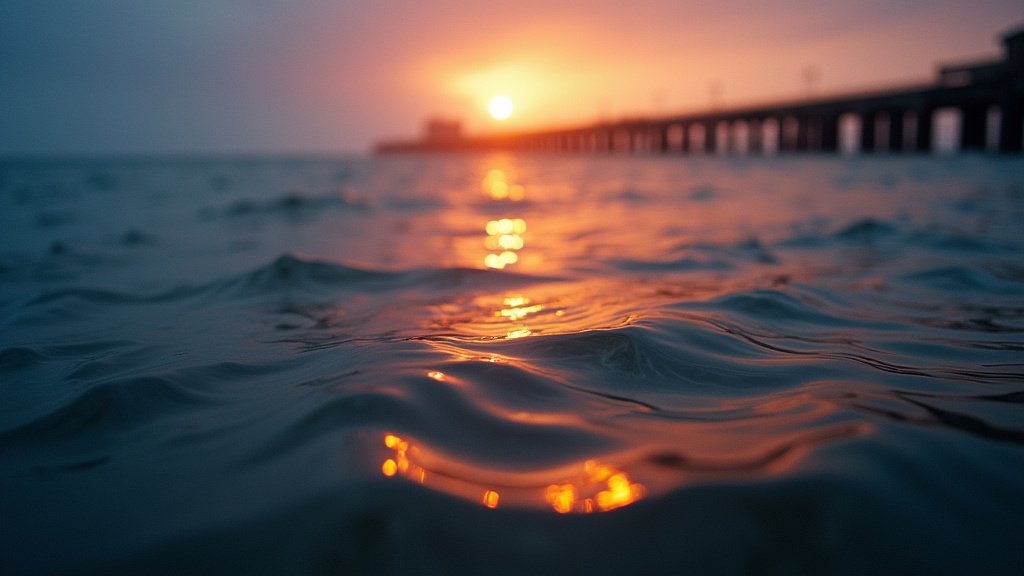
As California navigates an unusually volatile spring, a silent, subterranean crisis is unfolding just off the coastline. A record-shattering California marine heatwave has seized the Pacific, with sea surface temperatures (SST) soaring to levels not seen in over a century of recorded data. This phenomenon, categorized as a severe, persistent anomaly by the National Oceanic and Atmospheric Administration (NOAA), is not merely an isolated ocean temperature spike; it is a profound disruption of the delicate thermodynamic balance that sustains the West Coast’s marine biodiversity and regional climate stability. With experts comparing the intensity of this current event to the notorious “Blob” of 2014–2016, the implications for the summer months—from altered hurricane tracks to the potential for severe, humid weather patterns—are now moving to the forefront of meteorological concern.
Key Highlights
- Record-Breaking Anomalies: Coastal stations, particularly the Scripps Pier in La Jolla, have recorded daily temperature highs consistently above the 110-year average, with some readings spiking 5 to 7 degrees Fahrenheit warmer than typical April norms.
- Ecological Stressors: The sustained warmth is disrupting the critical upwelling process that brings nutrient-rich, cold deep-water to the surface, resulting in immediate threats to kelp forests, seabird populations, and commercial fisheries.
- The “Blob” Comparison: Scientists are drawing direct parallels to the 2014-2016 “Blob” event, a period defined by mass marine die-offs and ecosystem collapse, warning that the current trajectory could mirror those devastating outcomes if temperatures remain elevated.
- Meteorological Fallout: Beyond the shoreline, the heatwave is expected to “juice up” existing storm systems, potentially leading to a muggier summer for Los Angeles and San Francisco, and increasing the probability of active monsoon seasons in the Sierra Nevada.
The Anatomy of an Unprecedented Ocean Event
The current California marine heatwave represents a significant departure from historical oceanic behavior. While temperature fluctuations in the Pacific are natural, the scale and persistence of this event have caught oceanographers off guard. Data from the Scripps Institution of Oceanography indicates that since November 2025, coastal monitoring stations have repeatedly shattered daily all-time record highs. This is not a surface-level quirk; the heat is penetrating the water column, creating a persistent, thick layer of warm water that blankets the continental shelf from San Francisco down to the tip of Baja California.
Thermodynamic Drivers
Scientists are analyzing the interaction between atmospheric high-pressure systems and the cooling mechanisms of the California Current. Typically, spring in California is characterized by robust north-to-south winds that trigger “upwelling,” a phenomenon where deep, cold, nutrient-rich water replaces surface water. This year, those winds have been notably absent or weak, allowing the sun to bake the surface layers of the Pacific without the natural cooling mechanism of upwelling. This “trapped heat” effect is essentially turning the coastal Pacific into a massive thermal reservoir, altering the habitat for nearly every species from the intertidal zone to the deeper offshore reefs.
Comparing to ‘The Blob’
For those who remember the mid-2010s, the term “The Blob” evokes memories of stranded sea lions, toxic algal blooms, and devastated Dungeness crab fisheries. The current 2026 event mirrors this in terms of spatial extent and temperature anomalies. However, the current heatwave is operating within the context of a shifting global climate baseline. Every marine heatwave in the current decade is occurring in an ocean that is, on average, warmer than it was a century ago. This means that even a “standard” heatwave event today is inherently more intense and potentially more destructive than those of previous decades.
Ecological Consequences and the Food Web
The most immediate, and perhaps devastating, impact of the California marine heatwave is being felt by the ocean’s inhabitants. The California Current is one of the most productive ecosystems in the world, relying on the presence of cold, nutrient-dense water to fuel phytoplankton blooms. These blooms form the foundation of the marine food web, supporting everything from anchovies and sardines to blue whales.
The Collapse of Upwelling
When the water remains too warm, the vertical mixing of the ocean stops. The nutrients remain trapped at the bottom, and the surface becomes a biological desert. This has cascading effects: primary producers cannot grow, small baitfish migrate or die, and higher-level predators—including seabirds like brown pelicans and common murres, as well as marine mammals—face sudden food scarcity. Reports from researchers in San Diego and Central California are already documenting spikes in seabird mortality, a grim indicator of a food web under extreme stress.
Impacts on Kelp Forests and Fisheries
California’s iconic kelp forests are essentially underwater rainforests that require cool water to thrive. Warm water stresses the kelp, leading to premature die-offs, which in turn erodes the habitat for juvenile rockfish, crabs, and other commercially vital species. For the fishing industry, this means not only a reduction in harvestable biomass but also the migration of species to northern, cooler waters. Species like swordfish and certain tuna, which prefer warmer tropical environments, are being spotted in areas where they are historically rare, while native cold-water species are retreating, creating a chaotic redistribution of marine life.
The Meteorological Multiplier
It is a common misconception that the ocean and the land are separate entities in the climate system. The Pacific Ocean serves as the primary engine for California’s weather, and a massive heat anomaly has the power to dramatically alter regional climate patterns. As we move into the summer of 2026, meteorologists are predicting that the heat stored in the ocean will have a profound effect on the state’s weather.
Summer Storms and Moisture
One of the most concerning outcomes of the current marine heatwave is the potential for an intensified North American monsoon and more frequent, moisture-laden storm systems. Warm ocean waters evaporate more readily, injecting massive amounts of water vapor into the atmosphere. When this moist air moves over the California landscape, it can “juice up” existing weather systems, leading to more intense rainfall, flash flooding, and, in higher elevations like the Sierra Nevada, an increased frequency of summer thunderstorms.
The Humidity Factor
For coastal residents, particularly in Los Angeles and San Francisco, this marine heatwave may result in a shift from the typical cool, foggy coastal summers to periods of uncharacteristic heat and humidity. The lack of marine-layer cooling, which acts as a natural air conditioner for the California coast, could lead to prolonged heat events that strain public health infrastructure and increase wildfire risk. The moisture being pumped into the air creates a greenhouse effect at the local level, preventing nighttime temperatures from cooling down as they typically would, further exacerbating the heat stress on urban populations.
Future Outlook: A New Normal?
As we look ahead, the persistence of this marine heatwave raises difficult questions about adaptation. Current predictive models suggest that while some relief may occur in the late spring, there is a high probability that the heat will continue through the summer and potentially intensify if an El Niño phase transitions into the region as forecasted. The era of “stable” ocean conditions appears to be shifting toward an era of heightened volatility.
Scientific efforts are now focusing on better predictive modeling to provide earlier warnings to fisheries and coastal communities. Understanding the “sequence of events”—how atmospheric pressure systems, ocean currents, and global climate drivers like ENSO (El Niño-Southern Oscillation) interact—is critical. While we cannot stop a marine heatwave once it has formed, robust data and early intervention strategies, such as closing vulnerable fisheries or protecting critical habitat zones, can mitigate some of the most catastrophic outcomes. For now, the Pacific remains a giant, simmering variable, and the coast is bracing for a summer that will be defined by the heat beneath the waves.
FAQ: People Also Ask
1. Is this California marine heatwave the same as ‘The Blob’ from 2014?
While it shares many characteristics with the 2014-2016 ‘Blob’—including high-pressure atmospheric drivers and extreme temperature anomalies—it is a distinct event. However, scientists are concerned that it could evolve into a similar, long-lasting regime if conditions persist.
2. How does an ocean heatwave affect my weather on land?
Warmer ocean water increases evaporation, which puts more moisture into the air. This can lead to more humid summers, fewer days of cooling fog, and the potential for stronger, moisture-charged thunderstorms in the interior and mountain regions of California.
3. Will this heatwave disappear soon?
While ocean temperatures can fluctuate, current NOAA modeling indicates a high likelihood that the marine heatwave will persist through the spring and summer. The transition into an El Niño phase in the latter half of the year could potentially amplify these warm anomalies rather than dissipate them.
4. What are the biggest risks to the environment?
The primary risks include the mass die-off of cold-water species like kelp and various fish, harmful algal blooms that can introduce toxins into the food chain (and potentially impact humans via contaminated shellfish), and the starvation of seabird and marine mammal populations due to the disruption of the food web.