San Luis Obispo’s culinary landscape is poised for a significant transformation as Uma’s, the New York-based restaurant chain known for its eclectic Eurasian cuisine, prepares to open its first West Coast flagship location this May. Taking over the high-profile vacancy at 698 Higuera St.—previously occupied by Burger Village—the arrival of Uma’s signals a shift toward more specialized, globally-inspired dining options in the heart of downtown, filling a long-standing gap in the city’s international food scene.
Key Highlights
- New West Coast Flagship: Uma’s is expanding from its New York roots to bring its signature Eurasian concept to San Luis Obispo.
- Prime Real Estate: The restaurant will occupy the 698 Higuera St. location, formerly Burger Village, anchoring a busy intersection near Broad Street.
- Silk Road Gastronomy: The menu promises a diverse fusion of Central Asian and Eastern European influences, featuring staples like dumplings, kebabs, and borscht.
- Economic Shift: This opening marks a transition for the downtown corridor, moving away from generic fast-casual chains toward more distinct, experiential dining destinations.
A New Chapter for Higuera Street: The Arrival of Uma’s
For months, the prominent corner of Higuera and Broad Street in downtown San Luis Obispo has remained quiet, a stark contrast to the bustling activity typical of the Central Coast hub. However, that silence is about to be broken by the sizzle of skewers and the aromatic spice profiles of the Silk Road. Uma’s, a restaurant concept that has cultivated a cult following in Rockaway, New York, and Isabela, Puerto Rico, has officially announced its expansion into the California market.
The Eurasian Culinary Identity
At its core, Uma’s defines itself through “Eurasian” cuisine, a term that, while broad, is intentionally curated to bridge the culinary gap between Eastern Europe and Central Asia. In a market often saturated with Americanized burger joints or standard Californian fare, Uma’s brings a departure from the expected. The menu is heavily influenced by the diverse cultures that once thrived along the historical Silk Road trade routes.
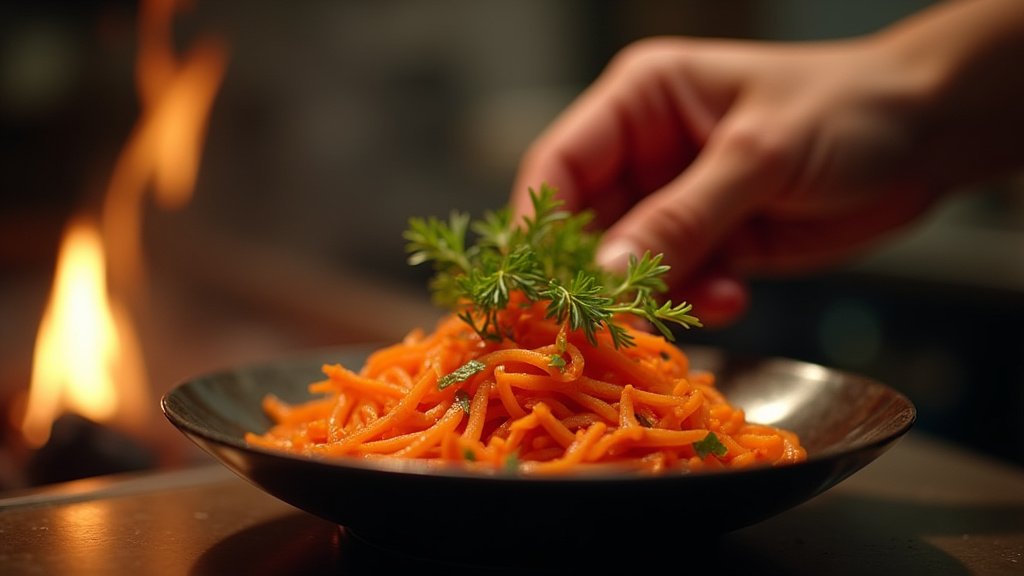
Dishes like bichaki—a traditional Central Asian stuffed pastry—and Korean carrot salad are expected to be highlights, showcasing the restaurant’s commitment to bold, authentic textures and flavors. These are not meals simply meant for convenience; they are cultural experiences that require a more engaged palate. For San Luis Obispo, this represents a maturing food scene that is increasingly willing to embrace complexities in texture—think the richness of borscht paired with the lightness of scallion pancakes and perfectly spiced kebabs.
Revitalizing the Downtown Corridor
Replacing the former Burger Village spot carries significant weight for downtown planning. Burger Village’s departure in late 2025 highlighted the struggles that even prime-location establishments faced in a post-pandemic economy characterized by shifting consumer preferences and higher operational costs. By contrast, Uma’s arrives with a proven “staple” status, built on a model that has thrived in diverse environments, from the beach towns of New York to the Caribbean.
Urban planners and local economic boosters view this move as a stabilizing force. The downtown core requires anchor tenants that offer something unique—a reason for locals to venture out on a Tuesday night rather than just relying on the established weekend tourist traffic. The aesthetic shift from a generic burger franchise to a concept-driven restaurant like Uma’s helps redefine the identity of the Higuera corridor as a destination for exploratory dining.
The Silk Road Phenomenon in Modern Dining
The concept of “Silk Road” dining has been gaining traction in larger metropolitan areas, and its arrival in San Luis Obispo signifies the city’s integration into broader national food trends. This style of cuisine is characterized by a marriage of spice-heavy Central Asian techniques—heavy use of cumin, coriander, and fresh herbs—with the hearty, comforting foundations of Eastern European staples.
This fusion is particularly relevant in today’s food culture, where consumers are increasingly looking for “comfort food with a twist.” It isn’t just about the novelty of the food, but the story behind it. In an era where authenticity is the gold standard for Gen Z and Millennial diners, Uma’s pitch—spanning street food to fine dining traditions of Samarkand—resonates deeply with current culinary values.
FAQ: People Also Ask
Q: When is Uma’s opening in San Luis Obispo?
A: While an exact day has not been specified, Uma’s has announced that the grand opening is slated for May 2026. Patrons are encouraged to monitor their social media channels for the official date announcement.
Q: What is the primary cuisine style of Uma’s?
A: The restaurant specializes in “Eurasian” cuisine, which fuses flavors, ingredients, and traditional techniques from Central Asian countries and Eastern Europe. Expect items like kebabs, dumplings, borscht, and specialty salads.
Q: Why is this opening significant for the downtown area?
A: It represents a shift from generic fast-food chains toward more unique, concept-driven dining establishments. Occupying the former Burger Village site at 698 Higuera St., it is viewed as a potential anchor to revitalize foot traffic at that specific downtown intersection.
Q: Is this the first Uma’s location in California?
A: Yes. This will serve as the restaurant’s first West Coast flagship location, expanding on their existing presence in New York and Puerto Rico.