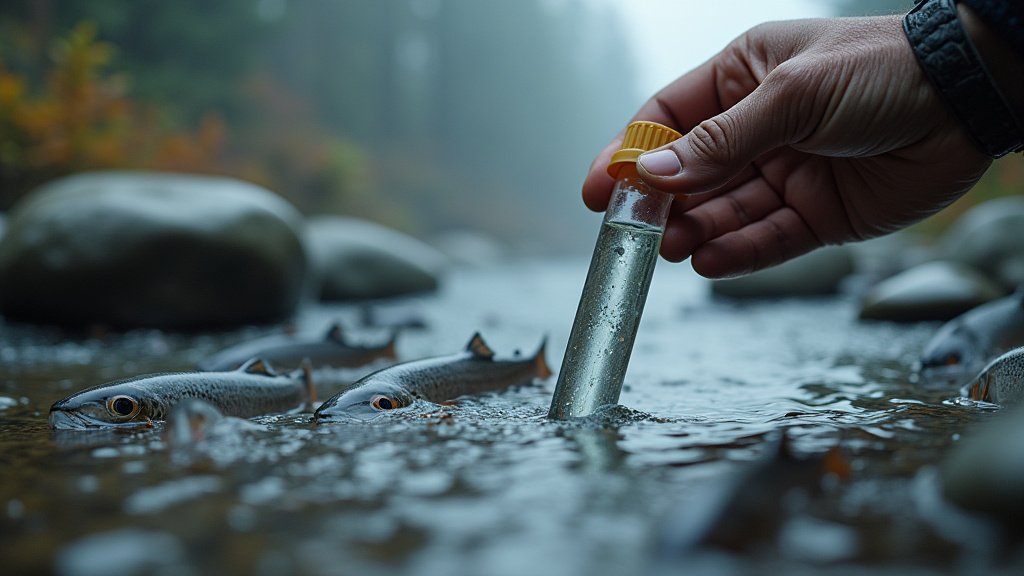
The National Oceanic and Atmospheric Administration (NOAA) has officially announced a critical injection of up to $99 million in funding dedicated to the conservation and restoration of Pacific salmon and steelhead populations. This latest initiative, channeled through the Pacific Coastal Salmon Recovery Fund (PCSRF), targets a diverse array of states—including Alaska, California, Idaho, Nevada, Oregon, and Washington—along with federally recognized tribes throughout the Columbia River Basin and the Pacific coast. As climate change continues to stress aquatic ecosystems, this significant financial allocation arrives as a vital intervention, aiming to bridge the gap between economic sustainability and environmental stewardship.
Key Highlights
- Massive Financial Commitment: NOAA is making up to $99 million available, with individual project proposals eligible to request up to $25 million.
- Geographic Reach: The funding covers Alaska, California, Idaho, Nevada, Oregon, and Washington, as well as federally recognized tribes with treaty fishing rights.
- Restoration Objectives: The program prioritizes projects that protect salmon and steelhead listed under the Endangered Species Act (ESA) or those deemed at-risk, while supporting sustainable tribal and commercial fisheries.
- Deadline for Action: Eligible applicants must submit their proposals by June 29, 2026, with selections expected to be announced in September 2026.
- Scientific Accountability: In alignment with current federal executive orders, applicants are required to utilize “Gold Standard Science,” incorporating interdisciplinary budgets and open-data protocols for transparency.
Restoring the Lifeblood of the Pacific Coast
The Pacific Coastal Salmon Recovery Fund is more than a grant program; it acts as a strategic investment in the long-term ecological and economic health of the American West. By focusing on habitat restoration—which experts like Butch Smith of the Pacific Fishery Management Council refer to as a “savings account” for future generations—the PCSRF aims to reverse the decline of iconic species like Chinook, coho, sockeye, and pink salmon. This year’s funding is particularly significant as it integrates resources from both base appropriations and the Infrastructure Investment and Jobs Act, reflecting a unified governmental effort to fortify coastal ecosystems against extreme weather events and habitat loss.
The Economic Ripple Effect
While the primary goal of the $99 million investment is ecological, the economic repercussions for coastal and rural communities are profound. Salmon fishing is the heartbeat of many regional economies, supporting thousands of jobs in commercial, recreational, and subsistence sectors. By restoring spawning grounds and migration corridors, these projects do more than help fish; they secure the livelihoods of fishing guides, processors, and local contractors who are frequently hired to execute these large-scale environmental engineering tasks. This “green economy” approach ensures that conservation does not come at the expense of local industry, but rather fuels it through enhanced natural resource productivity.
Climate Resilience and Infrastructure
Climate change presents an unprecedented threat to Pacific salmon. Rising water temperatures, altered stream flows, and increased frequency of drought and flooding disrupt the delicate life cycles of these anadromous species. The new funding opportunity encourages applicants to develop projects that enhance ecosystem resilience. This includes, but is not limited to, removing barriers to fish passage, such as obsolete dams or faulty culverts, and restoring floodplain connectivity. These interventions help fish navigate more effectively, buffer against extreme environmental shifts, and provide cooler refuge areas that are critical for survival during warmer summer months.
Honoring Tribal Sovereignty and Treaty Rights
A cornerstone of the PCSRF program is its steadfast commitment to federally recognized tribes. Many salmon populations are essential not only for food security but for cultural and spiritual practices. The funding recognizes the role of tribes as lead stewards of these resources, ensuring that tribal treaty fishing rights are upheld through active participation in recovery planning. By prioritizing projects that support tribal subsistence fishing, NOAA is acknowledging the historical and ongoing role of Indigenous communities in managing the natural heritage of the Pacific Northwest and Alaska.
Data-Driven Conservation
Modern conservation requires modern science. This round of funding demands adherence to the Executive Order on Restoring American Seafood Competitiveness and the principles of “Gold Standard Science.” This means that recipients are not just tasked with “doing the work”; they are required to document it through open-data protocols and reproducible research. By fostering a culture of transparency and rigorous evaluation, NOAA aims to maximize the efficacy of every dollar spent, ensuring that the projects chosen are not just well-intentioned, but scientifically proven to deliver measurable increases in salmon productivity.
FAQ: People Also Ask
1. Who is eligible to apply for the $99 million NOAA grant?
Eligible applicants include the states of Alaska, California, Idaho, Nevada, Oregon, and Washington, as well as federally recognized tribes of the Columbia River Basin and the Pacific coast. Local municipalities and non-profits often collaborate with these primary entities on project implementation.
2. What is the deadline to submit a proposal?
The application window is currently open, and all proposals must be submitted no later than June 29, 2026. NOAA plans to announce the recommended selections by September 2026.
3. How does this funding impact the Endangered Species Act (ESA)?
A primary priority for the PCSRF is to fund projects that address factors limiting the productivity of salmon and steelhead populations that are already listed as threatened or endangered under the ESA, or those identified by states as being at-risk for future listing.
4. Why is this funding specifically important for rural areas?
Many of these restoration projects take place in remote or rural watersheds. The implementation of these projects creates immediate jobs in construction and environmental consulting for local residents, while the long-term restoration of the fishery helps stabilize the local economies that depend on salmon harvest.